
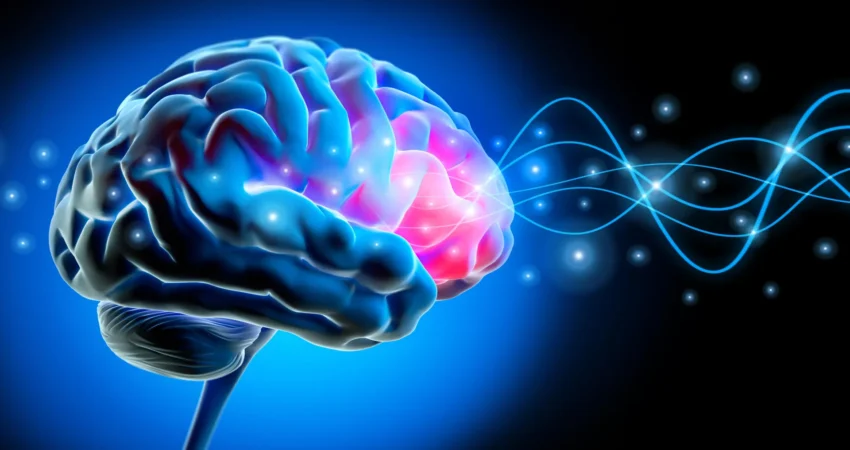
A groundbreaking study has illuminated the precise mechanisms by which deep brain stimulation (DBS) alleviates the debilitating movement disorders associated with Parkinson’s disease, pinpointing a specific brain network that communicates primarily through a relatively fast beta rhythm (20 to 35 Hz). This research, a collaborative effort by leading neuroscientists and clinicians from the University Hospitals of Cologne and Düsseldorf, Harvard Medical School, and Charité Berlin, represents a significant leap forward in understanding and potentially optimizing this vital therapeutic intervention. Published in the esteemed journal Brain, the study, titled ‘The Deep Brain Stimulation Response Network in Parkinson’s Disease Operates in the High Beta Band’, is the first to successfully integrate electrophysiology and brain imaging, two methodologies that have historically been pursued in isolation.
Unraveling the Spatial and Temporal Dynamics of DBS Efficacy
For decades, deep brain stimulation has offered a lifeline to individuals struggling with the motor symptoms of Parkinson’s disease, a progressive neurodegenerative disorder affecting an estimated 10 million people worldwide. The condition is characterized by tremors, rigidity, slowness of movement (bradykinesia), and postural instability, all stemming from the loss of dopamine-producing neurons in a specific area of the brain called the substantia nigra. DBS involves surgically implanting electrodes in targeted brain regions, most commonly the subthalamic nucleus (STN) or the globus pallidus interna (GPi), which then deliver controlled electrical pulses to modulate abnormal brain activity. While the clinical benefits of DBS are well-established, the precise neural circuitry and oscillatory patterns underlying its efficacy have remained somewhat elusive, hindering efforts to personalize treatment and maximize patient outcomes.
Professor Dr. Andreas Horn, a leading computational neurologist at the University of Cologne and the study’s principal investigator, articulated the transformative nature of their findings: "For the first time, we were able to characterize the DBS response network in Parkinson’s disease in terms of space and time, simultaneously. We show that Parkinson’s disease can best be treated if we stimulate a very precisely defined network. This network operates synchronized within a specific frequency band, and offers an explanation for how well patients respond to deep brain stimulation."
The established therapeutic target for DBS in Parkinson’s disease is often the subthalamic nucleus (STN), a small structure deep within the brain that plays a crucial role in motor control. By delivering electrical stimulation to the STN, clinicians aim to disrupt the aberrant signaling pathways that contribute to the characteristic motor symptoms of the disease. Prior research, however, had presented a fragmented understanding. Brain imaging studies, such as functional magnetic resonance imaging (fMRI), provided insights into the anatomical locations where stimulation seemed to exert its effects, highlighting connectivity patterns. Concurrently, electrophysiological research, which measures the electrical activity of neurons, had identified specific brainwave frequencies, or oscillations, that were altered in Parkinson’s disease and potentially influenced by DBS. The critical gap, until this recent study, was the inability to simultaneously capture both the precise spatial location of these neural networks and the temporal dynamics of their oscillatory activity.
Mapping the High Beta Band Network: A Multicenter Collaboration
To bridge this knowledge gap, the interdisciplinary research team embarked on an ambitious multicenter study. Their investigation involved a cohort of fifty Parkinson’s disease patients who had already undergone DBS surgery. Critically, the researchers collected data from one hundred brain hemispheres, allowing for a comprehensive analysis. The innovative methodology employed by the scientists involved simultaneously recording brain activity directly through the implanted DBS electrodes and via magnetoencephalography (MEG). MEG is a non-invasive neuroimaging technique that measures the faint magnetic fields produced by electrical currents in the brain, offering high temporal resolution and good spatial localization.
This dual-recording approach enabled the researchers to map, with unprecedented detail, the functional connections between deep brain structures, such as the STN, and more superficial cortical areas of the brain. These connections are fundamental to the intricate network that governs motor control. The analysis revealed a significant finding: the critical network linking the subthalamic nucleus to frontal brain regions, which are vital for planning and executing movements, predominantly communicates through oscillations within the 20 to 35 Hz frequency range. This specific frequency band, identified as the "high beta band," emerged as the primary communication channel within this network.
Furthermore, the study established a direct correlation between the strength of this high beta band connectivity and the degree of motor symptom improvement experienced by individual patients following DBS electrode implantation. This finding is particularly impactful, suggesting that the effectiveness of DBS is not merely a function of electrode placement but is intrinsically tied to the functional integrity and oscillatory behavior of this specific neural network.
A Key Brain Rhythm Dictating Treatment Response
Dr. Bahne Bahners, the first author of the study and a researcher at Düsseldorf University Hospital, emphasized the physiological significance of their discovery: "These results suggest that a certain rhythm of the brain acts as a communication channel between the subthalamic nucleus and the cerebral cortex and may mediate the therapeutic effects of deep brain stimulation." He further elaborated on the potential clinical implications: "By stimulating regions that are connected to the identified network, we will probably be able to adjust DBS settings more precisely in the future, especially in patients who have not yet benefited optimally from deep brain stimulation."
The implications of this research are far-reaching for the future of Parkinson’s disease management. For years, the "sweet spot" for DBS settings has been determined through a process of iterative adjustment, often involving trial and error to find the optimal stimulation parameters (e.g., voltage, pulse width, frequency) that maximize symptom relief while minimizing side effects such as speech disturbances or mood changes. This new understanding of the high beta band network could revolutionize this process.
The findings provide a strong scientific foundation for developing more personalized DBS strategies. Instead of relying solely on general anatomical targets, clinicians might soon be able to tailor stimulation parameters to an individual patient’s unique high beta band network activity. This could lead to faster and more effective symptom control, particularly for those patients who exhibit a suboptimal response to current standard DBS settings. It suggests a paradigm shift from a "one-size-fits-all" approach to a highly individualized, neurophysiologically guided treatment.
Future Directions and Broader Impact
The current study represents a significant advancement, but the researchers are already looking ahead to further unravel the complexities of DBS. The next crucial step involves investigating the causal relationship between DBS and changes within these identified brain networks. While the current research demonstrates a strong association, future studies are planned to directly examine how DBS-induced electrical pulses actively alter the activity and connectivity within the high beta band network and how these alterations lead to clinical improvements. Such investigations, utilizing advanced experimental designs, will provide definitive evidence of causality and further refine our understanding of the underlying mechanisms.
The funding for this pivotal research was largely provided by the Professor Klaus Thiemann Foundation, underscoring the importance of philanthropic support in driving forward critical medical advancements. The collaborative nature of the study, spanning multiple prestigious institutions across Germany and the United States, highlights the global effort to combat neurodegenerative diseases.
The identification of the high beta band network as a key determinant of DBS efficacy in Parkinson’s disease opens up exciting avenues for both research and clinical practice. It paves the way for the development of more sophisticated diagnostic tools that can assess an individual’s network profile and inform treatment decisions. Furthermore, it may lead to the development of novel neuromodulation techniques that target this specific network with greater precision, potentially offering even more effective and safer therapies for Parkinson’s disease and possibly other movement disorders that share similar underlying neural circuit dysfunctions. The journey to fully understand and harness the power of deep brain stimulation is ongoing, but this latest research marks a profound step forward in the quest to alleviate the burden of Parkinson’s disease.

0 Comments