
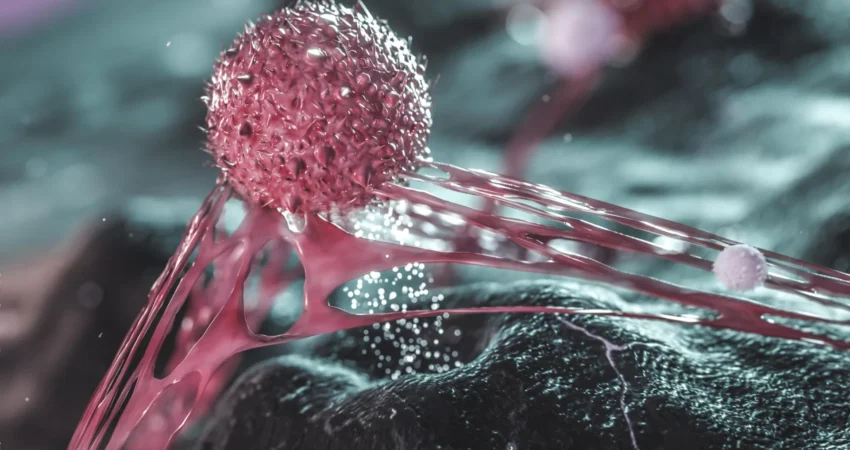
Researchers from the MRC Laboratory of Medical Sciences (LMS), Imperial College London, and UCL Genetics Institute have constructed a granular cellular map of breast tumors, uncovering distinct zones populated by actively dividing cancer cells juxtaposed with areas harboring dormant, or quiescent, cancer cells. This groundbreaking study, published in the esteemed journal Genome Medicine, provides unprecedented insight into the complex architecture of tumors and suggests that current therapeutic strategies may need significant recalibration. The findings indicate that these inactive cancer cells are frequently ensconced within protective neighborhoods composed of immune and connective tissue cells, potentially rendering them impervious to conventional treatments and contributing to disease recurrence.
Unveiling the Dichotomy Within Breast Tumors: Proliferating Versus Dormant Cancer Cells
Breast tumors are far from monolithic entities; they are intricate ecosystems teeming with a diverse array of cell types. Alongside the relentless proliferation of malignant cells, these tumors host a complex interplay of immune cells, newly formed blood vessels, and, crucially, a population of cancer cells that exhibit a state of profound inactivity. These quiescent cells, as they are scientifically termed, possess the unsettling ability to evade therapeutic interventions and later reawaken to drive tumor progression and metastasis.
The research teams at the LMS, Imperial, and UCL embarked on a mission to precisely locate these dormant cells within untreated tumors, to delineate their unique characteristics, and to identify the cellular communities that surround and potentially shield them. By leveraging publicly available datasets, the scientists meticulously constructed detailed cellular maps of breast cancer tumors, revealing distinct clusters of quiescent cells ensconced by other cellular elements that appear to function as a protective bulwark.
The Peril of Quiescence: Why Dormant Cells Pose a Significant Threat
"Quiescent cancer cells are very dangerous," explained Dr. Alexis Barr, a co-lead author of the study and head of the Cell Cycle Control group at the LMS. "These cells can hide from chemotherapy and then remain in this dormant quiescent state in the tumor, and then later reactivate to drive proliferation." This capacity for evasion and subsequent resurgence underscores the critical importance of understanding and targeting these elusive cells.
Cancer cells can enter this dormant state as a survival mechanism in response to the harsh and stressful conditions often found within a rapidly expanding tumor. As tumors grow aggressively, the supply of blood and essential nutrients may not always keep pace with the increasing cellular demands. In such scenarios, some cancer cells opt to temporarily halt their growth and division, effectively entering a state of suspended animation. This biological strategy is analogous to a bear hibernating through unfavorable environmental conditions, with the quiescent cells remaining inactive until the surrounding milieu becomes more conducive to proliferation. Unfortunately, this opportune moment for reactivation may arise after initial cancer treatments have concluded, leading to tumor relapse.
Dr. Barr further emphasized the long-term implications: "If we want to achieve long-term control of people’s tumors and prevent tumor relapse, we have to focus on these dormant quiescent cancer cells, and have to understand more about them." This statement highlights a paradigm shift in cancer research, moving beyond a sole focus on rapidly dividing cells to embrace the challenge posed by their dormant counterparts.
Pioneering Spatial Transcriptomics: Mapping the Tumor Landscape Cell by Cell
To gain an in-depth understanding of these hidden cellular populations, Dr. Barr collaborated with Dr. Maria Secrier’s computational biology team at UCL. Together, they employed sophisticated techniques to construct a high-resolution picture of the tumor microenvironment, detailing not only the cancer cells themselves but also the surrounding immune and supportive stroma.
The researchers ingeniously combined single-cell RNA sequencing with spatial transcriptomics. Single-cell RNA sequencing allows scientists to analyze the gene expression patterns of individual cells, revealing their functional states. Spatial transcriptomics, on the other hand, provides crucial information about the physical location of these cells within the tumor and their immediate cellular neighbors. This dual approach enabled the creation of a comprehensive and spatially resolved cellular atlas of breast tumors.
"We found cells that resemble therapy-resistant cells already residing in the tumor before we give any treatment," observed Dr. Secrier, suggesting that certain characteristics predisposing cells to treatment resistance may be intrinsic to the tumor from its inception, rather than solely emerging as a response to therapeutic interventions. This finding has profound implications for the timing and nature of early cancer treatments.
Intriguingly, this pattern of pre-existing therapy-resistant characteristics was observed in both aggressive forms of breast cancer and slower-developing subtypes. This was an unexpected result, as quiescence had previously been more closely associated with slower-growing diseases, suggesting a more complex interplay between cellular states and tumor behavior than initially understood.
The Protective Neighborhoods Surrounding Dormant Cancer Cells
The analytical scope of this research extended beyond the cancer cells themselves to encompass the diverse array of supporting cell types that infiltrate and contribute to the tumor ecosystem. A consistent and striking pattern emerged from this detailed analysis: dormant cancer cells were frequently found in close proximity to specific types of stromal cells.
Specifically, quiescent cancer cells were often located near CXCL10-positive macrophages, a critical component of the immune system known to play complex roles in tumor progression and suppression, and myofibroblastic cancer-associated fibroblasts (CAFs), a type of cell that provides structural support and can influence tumor behavior. These surrounding cells may have been actively recruited or epigenetically altered in ways that serve to shield the dormant cancer cells from detection and destruction.
One plausible mechanism is that these stromal cells create a physical or biochemical barrier, effectively preventing cancer-killing immune cells or therapeutic agents from reaching the inactive cancer cells. Dr. Secrier elaborated on this protective arrangement: "The cancer cells are really encapsulated within these areas of macrophages and fibroblasts that we think act as shields for these dormant cancer cells."
However, the precise direction of causality remains an area of active investigation. "But we don’t yet know the direction of cause and effect: whether the surrounding cells push cancer cells into dormancy or if the cancer cells attract or alter their surroundings. It’s very likely coming from both sides," Dr. Secrier noted, highlighting the bidirectional communication and influence within the tumor microenvironment. This intricate interplay suggests a sophisticated co-evolutionary process between malignant cells and their supporting stroma.
Rethinking Treatment Strategies: Targeting Distinct Tumor Regions
The efficacy of many chemotherapy drugs is directly correlated with their ability to target rapidly dividing cells. Dormant cells, by their very nature, are not actively multiplying, which renders them significantly less susceptible to these conventional cytotoxic agents. The current study’s findings strongly suggest that different regions within the same tumor – those characterized by rapid proliferation and those harboring dormant cells – may necessitate distinct therapeutic approaches.
The researchers identified increased activity within the complement pathway, a crucial component of the innate immune system, in the vicinity of dormant cell niches. This observation opens up the possibility that treatments specifically designed to modulate or target this pathway could enhance the vulnerability of these protected areas to therapeutic intervention.
Furthermore, the supportive stromal cells that encircle dormant cancer cells present another potential therapeutic target. However, substantial research is still required to definitively establish whether these cells actively maintain dormancy and to quantify their overall importance in supporting cancer cell survival and resistance.
"Different parts of the tumor will likely respond to different drugs," Dr. Secrier articulated. "If we understand what drug combinations we can use to target both the proliferative and the dormant areas, potentially that could be more successful than current therapies. This is giving us a first insight into how we can then intervene with different therapeutics that specifically target different areas of the tumor where the cells have adapted and have evolved differently." This perspective champions a move towards personalized and combination therapies tailored to the specific cellular heterogeneity of each tumor.
Dr. Barr echoed this sentiment, emphasizing the need for a broader research focus: "It is clearly important to focus on proliferative cancer cells, but we also need to understand this population of quiescent dormant cancer cells. And that’s been less studied." The historical underestimation of quiescent cell roles in cancer progression has likely contributed to limitations in existing treatment paradigms.
A Potential Pathway Toward More Durable Cancer Treatments
While the insights generated by this comprehensive analysis are highly promising, they are currently based on computational modeling and observational data. The next critical step involves rigorous experimental validation of these hypotheses. Nevertheless, the ability to identify and characterize pre-existing treatment-resistant regions within tumors, coupled with an understanding of the supporting cellular infrastructure, holds significant promise for the future development of more effective and durable combination cancer therapies.
By meticulously mapping the distribution of quiescent cells and their intricate microenvironmental contexts, scientists may be able to design novel therapeutic strategies that simultaneously target both the rapidly expanding, vulnerable portions of a tumor and the resilient dormant cells capable of surviving treatment and subsequently driving disease recurrence. This detailed cellular cartography represents a significant leap forward in unraveling the complexities of breast cancer and offers a tangible pathway toward improved patient outcomes and a reduction in the devastating impact of cancer relapse.
The research was primarily supported by funding from UKRI Future Leaders Fellowship, the Medical Research Council, and the Biotechnology and Biological Sciences Research Council, underscoring the national and international commitment to advancing cancer research. This collaborative effort between leading UK institutions exemplifies the power of interdisciplinary research in tackling one of humanity’s most pressing health challenges.

0 Comments