
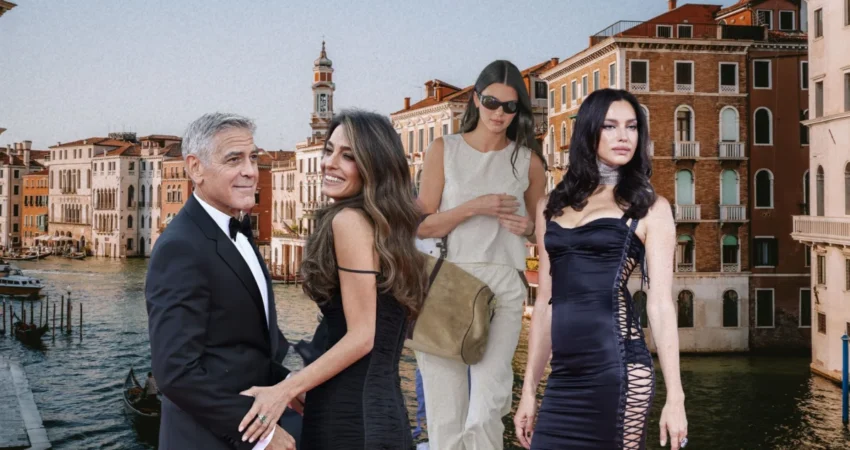
The 83rd Venice International Film Festival has once again transformed the historic Lido di Venezia into the epicenter of the global film industry, maintaining a tradition of elegance and artistic rigor that has endured for over eight decades. As the world’s oldest film festival, the event continues to serve as a critical barometer for cinematic excellence and a primary launchpad for Academy Award contenders. This year’s iteration is marked not only by a robust selection of international cinema but also by the resurgence of the festival’s most iconic architectural landmarks, which have long served as the backdrop for the intersection of Hollywood royalty and European high society.
Since its inception in 1932, the Venice International Film Festival—officially the Mostra Internazionale d’Arte Cinematografica della Biennale di Venezia—has been synonymous with glamour. The 83rd edition sees a return to the full-scale opulence that defined its mid-century golden age, bolstered by the recent comprehensive renovation of its primary social hub, the Hotel Excelsior Venice. Following a significant three-year closure for restoration, the hotel reopened its doors in 2025, providing a modernized yet historically faithful setting for the festival’s most exclusive gatherings.
The Architectural Renaissance of the Hotel Excelsior Venice
The Hotel Excelsior Venice has remained the spiritual and logistical heart of the festival since the event’s founding. Its Moorish-inspired architecture and prime beachfront location on the Lido have made it the preferred residence for stars ranging from Brigitte Bardot and Elizabeth Taylor in the 1950s to the contemporary A-list. The 2025 reopening marked a pivotal moment in the festival’s modern history, as the extensive renovation sought to preserve the hotel’s Belle Époque charm while integrating 21st-century luxury standards.
This year, the hotel’s signature boldly striped suites have hosted a new generation of talent. Notable attendees including Kate Mara, Claire Foy, and Maggie Gyllenhaal have been observed utilizing the renovated facilities, which now feature enhanced privacy measures and state-of-the-art technology. The Excelsior’s role extends beyond mere accommodation; its terrace and beachfront cabanas serve as the primary site for the festival’s "photocalls," where the world’s press captures the definitive images of the season’s leading actors and directors.
Industry analysts suggest that the reinvestment in the Lido’s hospitality infrastructure is a strategic move to compete with other major festivals such as Cannes and Toronto. By offering a seamless blend of historical prestige and modern comfort, Venice maintains its status as the preferred destination for high-profile film premieres that require a specific atmosphere of exclusivity and sophistication.
A Chronology of Cinematic Influence: From 1932 to the Present
The evolution of the Venice International Film Festival reflects the broader history of 20th and 21st-century cinema. To understand the significance of the 83rd edition, one must look at the pivotal milestones that have shaped the event:
- 1932: The first festival is held on the terrace of the Hotel Excelsior. While not initially a competitive event, it featured films from legends like Greta Garbo and Clark Gable.
- 1940s: The festival faced interruptions and political pressures during World War II, eventually relocating and reorganizing in the post-war era to reclaim its status as a neutral ground for artistic expression.
- The 1950s Golden Era: This period solidified Venice as a fashion and celebrity hub. Iconic images of Brigitte Bardot posing on the grass and Elizabeth Taylor swimming in the Lido became global symbols of the "Dolce Vita" lifestyle.
- 1968-1979: A period of social upheaval led to the suspension of competitive awards for several years, as the festival grappled with the changing political landscape of Europe.
- The Modern Renaissance (2000s–Present): Under the leadership of various artistic directors, most notably Alberto Barbera, the festival repositioned itself as the "Oscar Launchpad," focusing on high-quality American studio films alongside international arthouse cinema.
- 2025–2026: The completion of major infrastructure projects, including the Excelsior renovation and improvements to the Palazzo del Cinema, signals a new era of growth and modernization.
Beyond the Lido: The Geography of Venetian Luxury
While the Lido remains the center of the festival’s public-facing activities, the 83rd edition highlights a trend toward decentralized luxury. High-profile attendees seeking refuge from the relentless pace of the red carpet often retreat to the historic center of Venice or the surrounding islands.
The Aman Venice, located within the 16th-century Palazzo Papadopoli on the Grand Canal, remains a bastion of privacy for the industry’s most elite figures. With only 24 opulent rooms, the hotel offers a level of seclusion that is unattainable on the Lido. The property gained international fame as the wedding venue for George and Amal Clooney in 2014 and continues to be a favorite for stars who prioritize discretion.
Similarly, the Hotel Cipriani, A Belmond Hotel, situated on the eastern tip of Giudecca island, serves as a sanctuary for those looking to escape the paparazzi’s long-range lenses. Accessible only by private launch, the Cipriani has historically hosted luminaries such as Sophia Loren and Cary Grant. In recent years, the guest list has expanded to include modern icons like Jennifer Lawrence and Lady Gaga, who appreciate the hotel’s Olympic-sized saltwater pool and lush gardens, which offer a stark contrast to the high-energy environment of the festival screenings.
Economic Impact and Global Media Reach
The Venice International Film Festival is not merely a cultural event; it is a significant economic engine for the Veneto region. According to data from the Venice Biennale, the festival attracts over 200,000 visitors annually, including accredited film professionals, journalists, and film enthusiasts. The 83rd edition is expected to generate an estimated €30 million in direct revenue for the local economy, spanning hospitality, transport, and event services.
The media impact is equally substantial. With over 3,000 accredited journalists from more than 60 countries, the festival generates billions of social media impressions and thousands of hours of broadcast coverage. This global visibility is a primary driver for luxury brands—particularly in the fashion and jewelry sectors—who dress celebrities for the red carpet. The synergy between the film industry and luxury houses like Armani, Cartier, and Valentino is more pronounced in Venice than perhaps any other festival, as the city’s inherent beauty provides a peerless backdrop for brand storytelling.
The Strategic Importance of the "Venice Launch"
In the contemporary film landscape, the "Venice Launch" has become a vital component of a film’s marketing strategy. Statistical analysis of the last decade of Academy Award winners reveals a high correlation between a Venice premiere and a Best Picture nomination. Films such as Birdman, The Shape of Water, Nomadland, and Joker all utilized the Venice International Film Festival to build critical momentum before the autumn awards season.
The 83rd edition continues this trend, with a lineup that balances major studio productions with daring independent works. Festival Director Alberto Barbera has frequently noted that the selection process focuses on "originality and the strength of the directorial voice." This commitment to quality over quantity ensures that the Golden Lion (Leone d’Oro) remains one of the most coveted prizes in the industry, often carrying more weight among critics than the more commercially-oriented awards.
Official Responses and Industry Sentiment
The reopening of key venues and the high caliber of this year’s attendees have drawn positive reactions from industry stakeholders. In a statement regarding the festival’s current trajectory, representatives of the Venice Biennale emphasized the importance of maintaining the physical experience of cinema.
"The restoration of our historic venues, such as the Hotel Excelsior, is a testament to our belief in the enduring power of the festival as a physical gathering place," the statement noted. "In an age of digital streaming, the collective experience of watching a premiere in the Palazzo del Cinema, followed by the tradition of the Venetian reception, remains irreplaceable."
Actors and directors have echoed this sentiment, often citing the unique atmosphere of the city as a source of inspiration. The 83rd edition has seen a notable increase in the presence of younger stars, such as Robert Pattinson and Irina Shayk, who have praised the festival for its ability to blend the history of cinema with contemporary fashion and culture.
Broader Implications and Future Outlook
As the 83rd Venice International Film Festival draws to a close, the implications for the future of the industry are clear. The event has successfully navigated the challenges of a changing media landscape by doubling down on its core strengths: prestige, history, and an uncompromising commitment to the theatrical experience.
The successful integration of renovated heritage sites like the Hotel Excelsior suggests a model for other historic cultural events. By respecting the past while investing in the future, Venice has ensured that it remains relevant to a global audience. The festival’s ability to attract diverse talent—from rock legends like Liam Gallagher to Academy Award-winning actors like Laura Dern—demonstrates its broad cultural resonance.
Looking forward, the Venice International Film Festival is poised to remain the definitive start of the cinematic year’s most important chapter. As long as the Lido continues to offer a unique blend of high-stakes industry business and old-world glamour, the world’s most famous crowd will continue to flock to its shores, keeping the spirit of the 1932 inaugural event alive for generations to come. The 83rd edition stands as a powerful reminder that while technology and trends may change, the allure of the silver screen against the backdrop of the Adriatic Sea is eternal.

0 Comments