
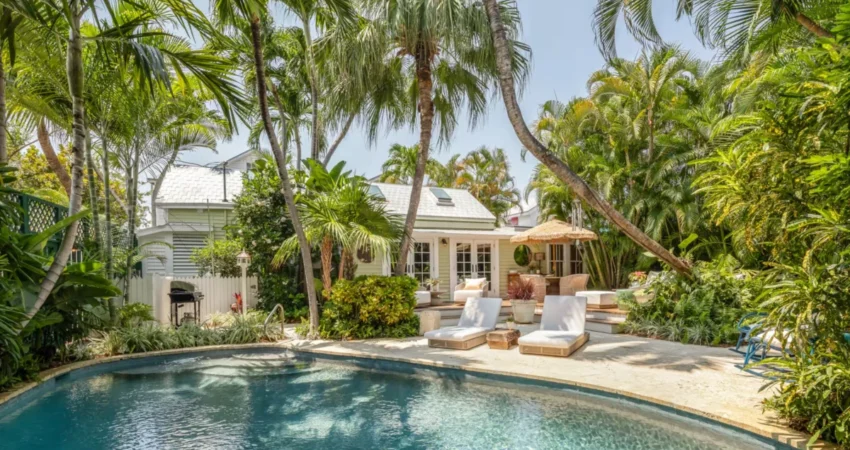
Florida remains one of the most resilient and diverse tourism markets in the United States, offering a geographical range that spans from the emerald waters of the Panhandle to the tropical ecosystems of the Florida Keys. As the short-term rental market continues to evolve, travelers are increasingly seeking curated, high-quality accommodations that offer more than just a place to sleep. The Sunshine State, which welcomed over 140 million visitors in 2023 according to Visit Florida, has seen a significant shift toward professionalized vacation rentals. These properties, often managed by "Superhosts" or designated as "Guest Favorites," provide a level of amenity and local integration that traditional hotels often struggle to match. From urban lofts in Miami to secluded lakefront cottages in Central Florida, the diversity of the inventory reflects the state’s status as a premier global destination.
The Evolution of Florida’s Vacation Rental Market
The landscape of short-term rentals in Florida has undergone a dramatic transformation over the last decade. What began as a fragmented market of private beach houses has become a sophisticated pillar of the state’s economy. Data from market analysts indicate that Florida holds one of the highest concentrations of short-term rental listings in the world, driven by year-round favorable weather and a robust infrastructure for leisure travel. This growth has been supported by a legislative environment that generally protects the rights of property owners to rent their homes, though local municipalities have begun implementing more rigorous registration and safety standards to balance the needs of residents and tourists.
The rise of "lifestyle" rentals has been a defining trend. Travelers are no longer satisfied with generic interiors; there is a documented preference for properties that offer "Instagrammable" aesthetics, high-end kitchen appliances, and outdoor living spaces that function as private resorts. In regions like the Florida Keys and the Panhandle’s 30A corridor, these rentals often command prices that rival five-star luxury hotels, offering private docks, heated infinity pools, and direct beach access.
Strategic Regional Breakdown: Where to Book
Choosing the right location in Florida requires an understanding of the state’s distinct micro-regions, each offering a different pace of life and set of activities.
The Florida Keys and Key West
The Florida Keys offer a Caribbean-style escape without leaving the continental United States. The rental market here is characterized by tropical cottages and stilt houses. Key West, known for its historic architecture and vibrant nightlife, features many restored conch houses that offer private courtyards and pools. Further north, in areas like Isla Morada and Marathon, the focus shifts to waterfront estates catering to fishing enthusiasts and those seeking maritime seclusion.

Orlando and the Theme Park Corridor
Orlando remains the epicenter of family travel. The vacation rental market here is dominated by large, multi-bedroom villas located in gated resort communities such as Reunion or ChampionsGate. These properties often feature "themed" bedrooms for children, private cinema rooms, and expansive pool decks. Proximity to Walt Disney World and Universal Studios is the primary driver of value in this region, with many travelers opting for rentals over hotels to accommodate multi-generational groups under one roof.
Miami and the Gold Coast
Miami’s rental market is split between high-rise luxury condos in Brickell and Downtown and historic Art Deco apartments in South Beach. For those seeking more space, neighborhoods like Coconut Grove and Coral Gables offer lush, Mediterranean-style villas. The Miami market is particularly sensitive to events such as Art Basel and the Formula 1 Miami Grand Prix, during which rental prices can quadruple.
The Gulf Coast: Tampa, Naples, and Clearwater
The Gulf Coast is favored for its calmer waters and white-sand beaches. Tampa has emerged as a major urban destination, with rentals in the historic Ybor City or the trendy Hyde Park district providing access to a burgeoning culinary scene. Further south, Naples offers some of the most expensive and exclusive rentals in the state, catering to a demographic that prioritizes golf, high-end shopping, and quiet beachfront living.
The Panhandle and 30A
Northern Florida, particularly the stretch of Highway 30A, has seen an explosion in luxury rental development. Communities like Rosemary Beach and Alys Beach are architecturally curated, offering high-end rentals that emphasize walkability and New Urbanist design. This region experiences more distinct seasonal shifts than South Florida, with peak demand occurring during the summer months.
Data-Driven Selection Criteria
To identify the highest-quality stays in such a saturated market, industry experts suggest looking at several key performance indicators. The "Guest Favorite" designation on platforms like Airbnb is awarded to the top 10% of homes based on ratings, reliability, and reviews.
- Superhost Status: This indicates a host with a proven track record of excellent hospitality, low cancellation rates, and fast response times.
- Amenity Density: Top-tier Florida rentals now commonly include "beach kits" (umbrellas, chairs, wagons), bicycles, and outdoor kitchens.
- Location Accuracy: High-performing rentals provide transparent information about their proximity to major attractions or noise levels from nearby commercial zones.
- Professional Cleaning Protocols: Post-pandemic, guest expectations for cleanliness have remained high, leading many top hosts to employ professional hospitality cleaning services.
Economic Impact and Pricing Trends
The cost of staying in a Florida vacation rental is subject to extreme seasonal volatility. On average, rates start at approximately $250 per night for a standard two-bedroom home, but this can climb into the thousands for luxury waterfront properties.

Seasonal Fluctuations
- High Season (December – April): This period sees the highest occupancy rates and prices, as "snowbirds" from the northern U.S. and Canada flee the winter.
- Shoulder Season (May – June, October – November): These months offer a balance of pleasant weather and more moderate pricing.
- Low Season (August – September): While this is the peak of hurricane season and humidity is high, it is also when travelers can find the most significant discounts and "last-minute" deals.
According to the Florida Department of Revenue, short-term rentals contribute billions in "tourist development taxes" (often called bed taxes), which are reinvested into local infrastructure and beach nourishment projects. This symbiotic relationship underscores the importance of the rental industry to the state’s fiscal health.
Regulatory Landscape and Policy Shifts
The growth of the industry has not been without controversy. In 2024, the Florida legislature continued to debate Senate Bill 280 and similar measures aimed at creating a uniform statewide regulatory framework for short-term rentals. Proponents argue that a single set of rules prevents a "patchwork" of confusing local laws, while critics—including many coastal city mayors—argue that local governments need the power to address specific issues like trash, parking, and noise.
Travelers should be aware that some municipalities, such as Miami Beach and parts of the Keys, have strict minimum-stay requirements (sometimes 30 days or more) for certain residential zones. Checking the legality of a listing in these areas is a critical step for any prospective guest to avoid last-minute cancellations due to enforcement actions.
Preparation and Logistics for Travelers
A successful Florida vacation requires logistical planning beyond just booking the accommodation.
Transportation
While cities like Miami and parts of Tampa are becoming more walkable, Florida remains a car-dependent state. Most travelers find that a rental car is essential for exploring beyond the immediate vicinity of their Airbnb. For those visiting Orlando’s theme parks, many vacation rentals offer shuttle services, though ride-sharing remains a popular and efficient alternative.
Weather Contingencies
Florida’s climate is tropical to sub-tropical. Travelers visiting during hurricane season (June 1 through November 30) are strongly advised to purchase travel insurance that covers weather-related disruptions. Additionally, the afternoon thunderstorm is a daily occurrence in the summer; seasoned travelers plan their outdoor activities for the morning hours.

Essential Packing
Beyond standard vacation attire, travelers should prioritize sun protection. According to health officials, the Florida sun is significantly stronger than in more northern latitudes, necessitating high-SPF sunscreen, polarized sunglasses, and UV-protective clothing. For those staying in rentals near freshwater or mangroves, high-quality insect repellent is also a necessity.
The Future of Florida’s Hospitality
As Florida continues to grow—both as a tourist destination and a permanent residence for thousands of new inhabitants each year—the vacation rental market is expected to become even more specialized. We are seeing the emergence of "eco-rentals" that focus on sustainability, solar power, and minimal environmental impact, particularly in the Everglades and the Springs regions of Central Florida.
The integration of smart-home technology, from keyless entry to automated climate control, is also becoming a standard expectation rather than a luxury. For the traveler, this means a more seamless, secure, and personalized experience. Whether it is a solo traveler looking for a quiet workspace with a view of the Gulf or a large family gathering for a milestone celebration near the Magic Kingdom, Florida’s vacation rental inventory continues to set the standard for the global short-term rental industry. Through a combination of geographical diversity, professional management, and a pro-tourism economic environment, the Sunshine State remains the premier laboratory for the future of travel.

0 Comments