
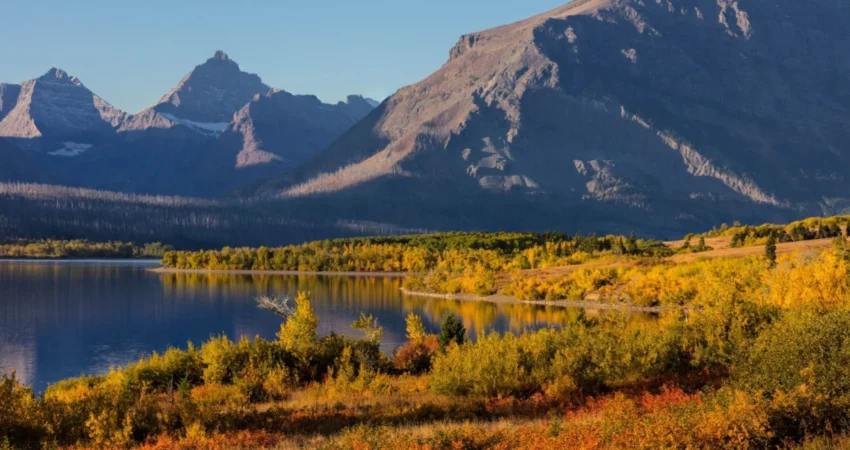
The transition of the United States national park system from the high-traffic summer months into the autumn season represents a significant shift in both ecological activity and visitor demographics. As temperatures descend and daylight hours shorten, the 63 protected areas managed by the National Park Service (NPS) undergo a profound transformation characterized by deciduous foliage changes, altered wildlife behaviors, and a recalibration of tourism infrastructure. While summer remains the peak period for visitation across the system, the months of September and October have increasingly become a primary focus for travelers seeking a more immersive experience defined by the "shoulder season" phenomenon. This period offers a unique intersection of aesthetic appeal and cooler climatic conditions, though it presents its own set of logistical challenges as the NPS manages the delicate balance between public access and environmental preservation.

The Ecological Mechanics of Autumn in the National Parks
The visual spectacle of autumn in the national parks is rooted in complex biological processes. As the photoperiod—the period of daily illumination—decreases, deciduous trees begin to cease the production of chlorophyll, the green pigment responsible for photosynthesis. This reveals underlying pigments such as carotenoids and xanthophylls, which produce yellow and orange hues. In certain species, such as the maples of Acadia or the oaks of the Great Smoky Mountains, the production of anthocyanins in response to cool nights and bright days results in vibrant reds and purples.
This phenological shift is not merely aesthetic; it signals a period of intense preparation for the coming winter. In parks like Rocky Mountain and Yellowstone, the "rut" or mating season for elk and moose becomes a central ecological event. Large mammals move to lower elevations, and their heightened activity levels provide significant opportunities for wildlife observation, albeit requiring increased vigilance from park rangers to ensure visitor safety and the protection of the animals from human interference.

A Chronological Overview of the Fall Transition
The onset of autumn across the national park system follows a latitudinal and altitudinal gradient. The transition typically begins in late August in the high-altitude regions of the northern parks and concludes in the southern coastal parks by late November.
- Late August to Mid-September: High-altitude parks such as Glacier in Montana and Denali in Alaska experience the first signs of autumn. Tundra grasses turn deep crimson, and the sub-alpine larches begin their transition to gold.
- Late September to Early October: This period marks the peak for the "Aspen Belt" in the Rocky Mountains. Parks like Grand Teton and Rocky Mountain National Park see their valleys turn brilliant yellow. Simultaneously, the northern maritime forests of Acadia National Park in Maine begin their transformation.
- Mid-October to Late October: The mid-Atlantic and Appalachian regions, including Shenandoah and the Great Smoky Mountains, reach their peak. This is often the busiest period for these parks outside of mid-summer.
- Early to Mid-November: The southern and lower-elevation parks, such as Zion in Utah or Cuyahoga Valley in Ohio, experience their final flares of color, often characterized by the deep oranges of cottonwoods and maples.
Analysis of Eleven Key National Parks for Autumn Visitation
1. Acadia National Park, Maine
Acadia serves as the premier destination for coastal fall foliage. The park’s unique geography, where granite peaks meet the Atlantic Ocean, creates a microclimate that can extend the foliage season. Data from the NPS indicates that October remains one of the busiest months for the park, particularly along the Park Loop Road and the summit of Cadillac Mountain.

2. Grand Teton National Park, Wyoming
In the Tetons, the contrast between the jagged, snow-dusted peaks and the golden cottonwoods and aspens along the Snake River provides a stark visual narrative of the changing seasons. The park is a critical corridor for the migration of pronghorn and mule deer during this time.
3. Rocky Mountain National Park, Colorado
The primary draw for Rocky Mountain in the fall is the elk rut. The Moraine Park and Horseshoe Park areas become staging grounds for massive herds. The park has implemented specific "Timed Entry" systems in recent years to manage the influx of "leaf-peepers" and wildlife enthusiasts, reflecting a broader trend in federal land management.

4. Yosemite National Park, California
While Yosemite is famed for its granite monoliths, the fall brings a subtle beauty to the valley floor. The deciduous trees, including the Pacific dogwood and bigleaf maple, provide splashes of color against the evergreens. The cooler weather also makes the strenuous hike to Half Dome more manageable for those with permits.
5. Great Smoky Mountains National Park, Tennessee/North Carolina
As the most visited national park in the United States, the Smokies experience a massive economic surge in October. The park’s diverse tree population—over 100 species—ensures a long and varied foliage season that moves from the high ridges down to the valley floors.

6. Zion National Park, Utah
Autumn in Zion is defined by the turning of the Fremont cottonwoods. The deep red sandstone walls of the Zion Canyon provide a dramatic backdrop for the bright yellow leaves. Furthermore, the decrease in flash flood risk (compared to the summer monsoon season) makes the Narrows a popular autumn trek.
7. Shenandoah National Park, Virginia
Skyline Drive serves as the central artery for fall tourism in Shenandoah. With over 70 overlooks, the park is designed for scenic viewing. Regional economic reports suggest that the surrounding counties in the Shenandoah Valley rely heavily on the "October spike" in tourism revenue.

8. Olympic National Park, Washington
In the Pacific Northwest, autumn is less about traditional "fire" colors and more about the atmospheric shift in the Hoh Rain Forest. The bigleaf maples turn a bright gold, draped in green moss, creating a high-contrast environment.
9. Cuyahoga Valley National Park, Ohio
Located between Cleveland and Akron, this park offers an accessible autumn experience for urban populations. The Brandywine Falls area is a focal point for photographers capturing the deciduous transition of the Ohio hardwood forests.

10. Glacier National Park, Montana
Glacier offers a brief but intense autumn. The western larch, a deciduous conifer, turns a brilliant yellow before dropping its needles. This is also a critical time for grizzly bear activity as they engage in hyperphagia (intense eating) to prepare for hibernation.
11. Mount Rainier National Park, Washington
The sub-alpine meadows of Mount Rainier turn shades of deep purple and gold in the fall. The huckleberry bushes are particularly noted for their vibrant red hues, providing a carpet of color beneath the glaciated peak of the volcano.

Statistical Trends and Economic Implications
The National Park Service’s "Visitor Recreation Visits" data reveals that the "shoulder season" is narrowing. In parks like Zion and the Great Smoky Mountains, October visitation numbers have begun to rival those of June and July. In 2023, the Great Smoky Mountains National Park saw over 1.5 million visitors in October alone, contributing significantly to the $2.1 billion in annual visitor spending in the surrounding gateway communities.
This shift has profound implications for local economies. Lodging occupancy rates in towns like Bar Harbor, Maine, or Estes Park, Colorado, which once saw a sharp decline after Labor Day, now remain high through late October. However, this extended season also puts additional strain on park infrastructure and seasonal staffing, which often concludes by late September.

Official Responses and Conservation Challenges
Management of these parks during the fall requires a multifaceted approach. The NPS has increasingly utilized social media and mobile applications to provide real-time updates on foliage peaks and parking availability.
"The challenge of the fall season is managing the expectation of the ‘perfect’ view with the reality of park capacity," a representative for the NPS stated in a recent seasonal briefing. "We are seeing a trend where visitors are more willing to travel during the week to avoid weekend congestion, but even then, the most popular corridors are reaching their limits."

Conservationists have also raised concerns regarding the impact of climate change on the autumn season. Scientific studies indicate that warming temperatures are causing foliage peaks to occur later and, in some cases, with less intensity. Drought conditions can cause trees to drop their leaves prematurely, bypassing the color change entirely. This instability poses a long-term risk to both the ecological health of the parks and the reliability of the tourism industry.
Infrastructure and Safety Considerations
The seasonal drop in temperature introduces specific hazards for visitors. High-altitude trails may experience sudden snowstorms, and shorter daylight hours increase the risk of hikers being caught on trails after dark. The NPS frequently issues warnings regarding "hypothermia weather"—conditions where temperatures are above freezing but wet and windy, which can be more dangerous than dry, sub-zero temperatures.

Additionally, many park facilities, including visitor centers and campgrounds, begin to transition to winter schedules in October. This requires travelers to be self-sufficient. The closure of high-elevation roads, such as Trail Ridge Road in Rocky Mountain or the Going-to-the-Sun Road in Glacier, is a critical chronological marker that effectively ends the fall season and begins the winter transition.
The Broader Impact of Autumn Tourism
The enduring appeal of the national parks in the fall reflects a broader cultural desire for connection with the natural world during a period of visible transition. While the visual beauty is the primary draw, the ecological and economic data suggest that the fall season is a vital component of the American conservation narrative. By diversifying visitation throughout the year, the NPS can potentially mitigate the "overtourism" seen in peak summer, provided that the infrastructure and environmental protections evolve alongside these changing travel patterns. As the climate continues to shift, the management of these landscapes during the "golden hour" of the year will remain a priority for federal agencies and the public alike.

0 Comments