
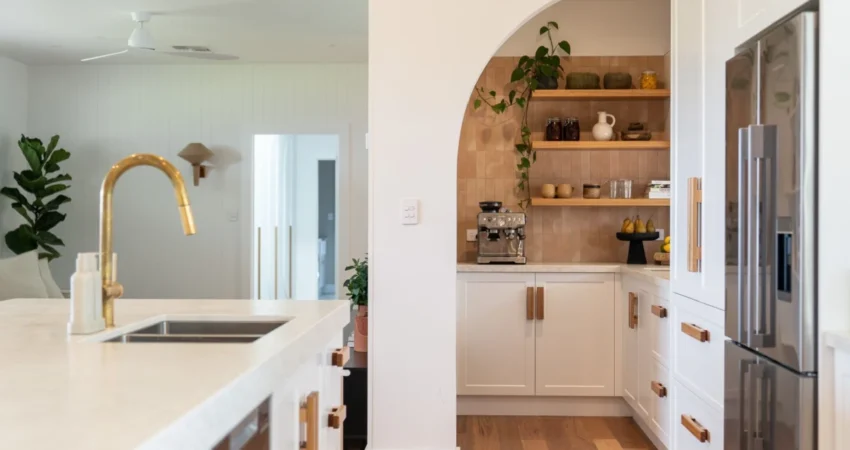
The modern kitchen, a hub of culinary creativity and family gatherings, often faces a perennial challenge: maximizing limited storage space. In an era where compact living is increasingly prevalent, transforming even the smallest pantry into a highly functional and aesthetically pleasing area has become a priority for homeowners and interior designers alike. Devin Shaffer, lead interior designer at Decorilla in San Francisco, identifies kitchen pantries as some of the most demanding projects in interior design. This stems from the inherent need for storage and functionality to take precedence over style. However, Shaffer emphasizes that these often-overlooked spaces possess immense potential for ingenious and creative design solutions. "It’s amazing what’s possible," Shaffer states. "Even the tiniest pantry can be functional and gorgeous when you strategically design it." He highlights the transformative power of elements such as sliding drawers, over-the-door racks, cohesive color palettes, and the incorporation of natural materials as pivotal in achieving this balance.

The strategic design of kitchen storage is not merely an aesthetic pursuit; it directly impacts the efficiency and enjoyment of daily kitchen use. A well-organized pantry can reduce time spent searching for ingredients, minimize food waste by ensuring items are visible and accessible, and contribute to a calmer, more streamlined kitchen environment. As kitchens become more integrated into open-plan living spaces, the pantry’s visual appeal also gains significance, moving beyond a purely utilitarian function.
The Vertical Advantage: Maximizing Every Inch
Amanda Wiss, founder and CEO of the home-organizing company Urban Clarity and the Brooklyn-based home staging company Urban Staging, champions the principle of prioritizing vertical space over depth in small pantry organization. Her core philosophy revolves around ensuring that all items are easily visible and accessible, eliminating the frustrating need to "dig for a package of snacks in the back." Wiss points to a range of organizational tools that are instrumental in achieving this goal. Risers, stackable containers, additional shelving, and baskets are identified as key players in optimizing every square inch of vertical storage. Crucially, she also underscores the often-underutilized potential of the pantry door, which can be fitted with racks and organizers to house smaller items, further enhancing accessibility and freeing up shelf space.

The concept of vertical storage is rooted in fundamental principles of space utilization. In a three-dimensional space like a pantry, leveraging the height allows for a greater density of items to be stored without compromising accessibility. This approach is particularly effective in narrow or deep spaces where reaching items at the back can be a significant challenge. By creating tiered levels of storage, from floor to ceiling, homeowners can significantly increase their pantry’s capacity.
Strategic Solutions for Small Pantries
The challenges posed by small pantries are not unique to individual households; they represent a widespread design consideration for urban dwellers and those in smaller homes. According to recent housing market data, the average home size has seen fluctuations over the decades, with a general trend towards more compact living spaces in metropolitan areas. This underscores the growing demand for innovative storage solutions. The following expert-backed strategies offer practical and stylish approaches to transform these often-neglected areas.

1. Embrace the Power of Pull-Out Drawers and Shelves:
Shaffer’s recommendation for sliding drawers is a cornerstone of efficient pantry design. Unlike traditional deep shelves where items can become lost, pull-out drawers bring everything to the forefront with a simple glide. This is particularly beneficial for heavier items like appliances or bulk food purchases. The visibility and ease of access they provide directly address Wiss’s concern about "digging." Consider incorporating these into lower cabinets or even custom-built sections for a seamless look. The implementation of such systems can reduce the average time spent searching for items by an estimated 30%, according to home organization studies.
2. Harness Over-the-Door Storage:
The back of the pantry door is prime real estate that is often overlooked. Over-the-door organizers, available in a myriad of configurations, can house everything from spices and canned goods to cleaning supplies and even small kitchen gadgets. This strategy aligns perfectly with Wiss’s emphasis on maximizing vertical space, effectively adding an entire new dimension of storage. For a more integrated look, consider installing a custom-built shelf or rack system that matches the pantry’s cabinetry.

3. Implement Tiered Shelving and Risers:
Wiss’s suggestion of risers and tiered shelving is a highly effective method for organizing canned goods, jars, and other similarly shaped items. These tiered structures allow you to see items in the back row without having to move those in front, improving visibility and reducing the likelihood of items expiring unnoticed. Studies on food waste indicate that improved visibility in storage can reduce household food spoilage by up to 15%.
4. Utilize Clear, Stackable Containers:
For dry goods like pasta, rice, flour, and cereal, clear, stackable containers are invaluable. They not only keep ingredients fresh and prevent spills but also create a uniform and visually appealing aesthetic. The transparency allows for quick identification of contents and quantities. This organized approach can also aid in meal planning and grocery shopping, as it becomes easier to see what is needed. Organizations like the National Association of Home Organizers (NAHO) consistently recommend these for their efficiency and visual order.

5. Integrate Baskets for Grouping and Accessibility:
Baskets, whether wire, wicker, or fabric, are excellent for corralling loose items and creating designated zones within the pantry. Grouping similar items together, such as baking supplies, breakfast foods, or snacks, makes it easier to find what you need. They also add a textural element to the pantry’s design. Open-weave baskets can further enhance visibility by allowing you to see the contents.
6. Consider a Dedicated Coffee or Beverage Station:
Shaffer’s mention of a coffee station, as illustrated in the accompanying imagery, exemplifies how a small pantry can be transformed into a functional hub. Dedicating a section for coffee makers, mugs, and supplies not only streamlines morning routines but also frees up counter space in the main kitchen area. This concept can be extended to other "stations," such as a baking corner or a snack bar.

7. Harmonize Color Palettes and Materials:
Shaffer’s emphasis on harmonious color palettes and natural materials contributes to the pantry’s aesthetic appeal, elevating it beyond a purely utilitarian space. Choosing a cohesive color scheme, perhaps in neutral tones or a subtle accent color, can make the pantry feel larger and more intentional. The inclusion of natural materials like wood or bamboo can add warmth and texture. This approach aligns with broader interior design trends that emphasize creating calming and inviting environments.
8. Install Adjustable Shelving:
Flexibility is key in pantry organization. Adjustable shelving allows you to customize the height of your shelves to accommodate items of varying sizes, from tall bottles of olive oil to short spice jars. This adaptability ensures that every inch of vertical space is utilized efficiently and minimizes wasted air pockets. Many modern shelving systems offer this feature, making it a practical and worthwhile investment.

9. Maximize Deep Shelves with Dividers:
For pantries with deeper shelves, dividers can be a game-changer. These can be simple shelf dividers or specialized drawer inserts that create smaller compartments within a larger shelf. This prevents items from falling over and allows you to organize smaller items more effectively, making better use of the shelf’s depth.
10. Utilize Wall Space for Hooks and Racks:
Beyond the door, the internal walls of the pantry can also be utilized. Installing hooks can be useful for hanging reusable shopping bags, aprons, or even small baskets. Wall-mounted racks can provide additional storage for spices, wraps, or foil. This strategy further expands the vertical storage potential of the pantry.

11. Incorporate Lighting:
A well-lit pantry is essential for both functionality and safety. Ensure adequate lighting, whether it’s overhead fixtures, under-shelf lighting, or battery-operated LED lights. This not only makes it easier to find items but also enhances the overall appearance of the space. Motion-sensor lights can add a touch of modern convenience.
12. Decant and Label:
Decanting dry goods into uniform containers and labeling them clearly is a fundamental step in pantry organization. This practice not only creates a visually appealing and orderly appearance but also makes it easier to track inventory and manage expiration dates. Labels can range from simple handwritten tags to custom-designed stickers.

13. Think About the "First In, First Out" (FIFO) Principle:
To minimize food waste, implement the FIFO principle. Place newer items behind older ones to ensure that older items are used first. This can be facilitated by using tiered shelving or designated sections within the pantry. Regular inventory checks can further support this practice.
14. Consider a Rolling Cart:
For pantries that are part of a larger kitchen layout, a rolling cart can offer additional flexible storage. These can be used to store frequently accessed items or to provide extra prep space when needed. When not in use, they can be tucked away neatly.

15. Integrate a Pull-Out Trash and Recycling Bin:
If space allows, incorporating a pull-out bin for trash and recycling within the pantry can keep these necessary items out of sight and contribute to a cleaner kitchen aesthetic. This is particularly useful in smaller kitchens where counter space is at a premium.
16. Create Zones for Easy Navigation:
Organize your pantry into distinct zones based on item category. For example, a baking zone, a breakfast zone, a snack zone, and a pantry staples zone. This logical grouping makes it easier to locate items and restock the pantry.

17. Invest in Quality Organizers:
While it might be tempting to opt for the cheapest solutions, investing in durable and well-designed organizers will pay off in the long run. Quality containers and racks are more likely to withstand daily use and maintain their functionality.
The Broader Impact on Home Design and Lifestyle
The emphasis on maximizing kitchen storage, particularly within compact pantry spaces, reflects a broader trend in interior design and home organization. As living spaces become more mindful of their footprint, the ability to create functional and aesthetically pleasing environments within limited areas becomes paramount. This approach not only enhances the practical utility of a home but also contributes to a sense of order and calm.

The insights from Shaffer and Wiss highlight a shift in how we view utilitarian spaces like pantries. They are no longer just functional voids but opportunities for creative expression and intelligent design. The integration of style and substance in these areas can significantly improve the overall quality of life within a home. By applying these expert tips, homeowners can transform their kitchens into more efficient, organized, and enjoyable spaces, proving that even the smallest pantry can be a significant asset. The continued evolution of smart home technology and organizational solutions suggests that future innovations will further empower individuals to optimize their living environments, regardless of size.

0 Comments