
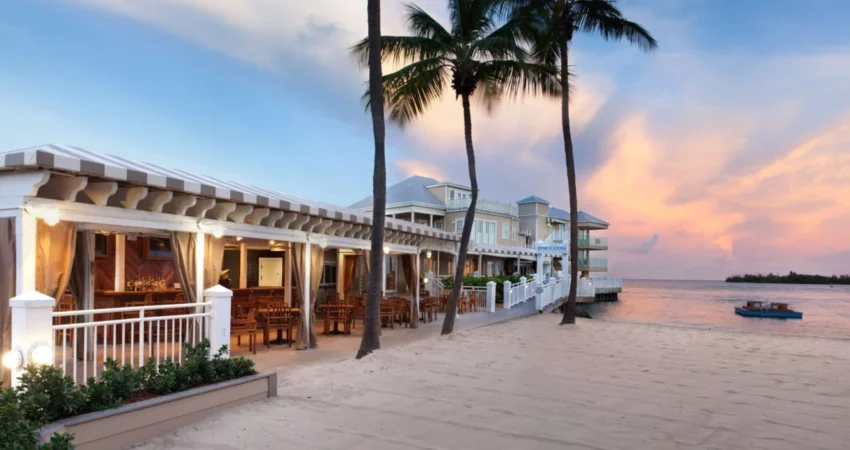
The southernmost city in the contiguous United States, Key West, continues to maintain a dual identity as both a high-traffic international tourist destination and a defiant, eccentric enclave known as the Conch Republic. This island, located closer to Havana than to Miami, has long been defined by a "come as you are" ethos that permits a rare level of social fluidity. On any given day, the streets of Key West are populated by a diverse demographic ranging from families on vacation and cruise ship day-trippers to revelers on Duval Street and residents living in historic cottages. The hospitality landscape of the island has evolved to reflect this complexity, balancing the pressures of modern commercialization with the preservation of its deep-rooted, iconoclastic charm.
The Historical Foundations of the Conch Republic
To understand the current state of Key West’s tourism and hospitality industry, one must look at the island’s history of independence. Originally settled in the early 19th century, Key West became one of the wealthiest cities in the United States per capita by the mid-1800s, primarily through the industry of "wrecking"—salvaging cargo from ships that foundered on the nearby Florida Reef. This wealth funded the construction of the elaborate Victorian and Queen Anne-style mansions that now define the Old Town district.
A pivotal moment in the island’s identity occurred in April 1982. In response to a United States Border Patrol blockade established on US 1—the only road connecting the Keys to the mainland—local officials declared the island’s "independence" as the Conch Republic. While the secession was a tongue-in-cheek protest against the inconvenience caused to tourists and residents, the identity stuck. Today, the Conch Republic flag remains a ubiquitous symbol of the island’s desire to remain distinct from the mainland’s cultural and bureaucratic norms.
Literary and Musical Influence on Tourism
The allure of Key West has been bolstered for decades by its association with towering figures in American culture. Ernest Hemingway, perhaps the island’s most famous resident, moved to Key West in the 1930s. His presence established the island as a sanctuary for writers and artists, a reputation that persists through the annual Hemingway Days festival.
In the 1970s, the island’s identity underwent another transformation through the work of musician Jimmy Buffett. The origins of his most famous work, "Margaritaville," are rooted in the geography of the Florida Keys. Factual records indicate that Buffett composed the final verses of the song in 1977 while caught in a traffic jam on the Seven Mile Bridge. He debuted the track on Duval Street shortly thereafter, inadvertently creating a multi-billion-dollar lifestyle brand that would eventually dominate much of the island’s commercial landscape. The "Margaritaville" effect has been a double-edged sword: while it has driven record-breaking tourism numbers, it has also accelerated the commercialization that some locals argue dilutes the island’s original, grit-and-glory character.
The Geography of Accommodation: Old Town vs. New Town
The hospitality market in Key West is geographically divided into two distinct zones: Old Town and New Town. Understanding the distinction between these areas is critical for visitors and hospitality analysts alike.
Old Town, located on the western end of the island, is the historic heart of Key West. It contains the highest concentration of historic sites, high-end restaurants, and the iconic Duval Street corridor. The accommodations here are primarily boutique hotels, converted Victorian mansions, and historic cottages. The primary appeal of Old Town is its walkability and its proximity to the Gulf of Mexico and the Atlantic Ocean. For many travelers, the quintessential Key West experience involves staying in a property that allows them to traverse picturesque neighborhoods and lush tropical gardens without the need for a vehicle.
In contrast, New Town, situated on the eastern side of the island, was developed later and features more conventional infrastructure. It is home to larger chain hotels, shopping centers, and the Key West International Airport. While New Town often offers more competitive room rates and modern amenities like expansive parking lots and standardized gym facilities, it lacks the architectural character of the historic district. Data from local tourism boards suggest that while New Town caters to budget-conscious travelers and families requiring more space, Old Town remains the primary driver of the island’s luxury and "insider" travel market.
Tourism Data and Economic Impact
The Florida Keys tourism industry is a vital component of the regional economy. According to data from the Monroe County Tourist Development Council (TDC), the tourism sector accounts for approximately 60% of the local economy and supports more than 50% of the workforce.
In recent years, the Average Daily Rate (ADR) for hotels in Key West has consistently ranked among the highest in the state of Florida. During peak seasons—which include the winter months and major festivals—occupancy rates often exceed 90%, with luxury boutique properties in Old Town fetching premium prices.
The economic landscape is also influenced by the cruise ship industry. While cruise passengers contribute to the foot traffic on Duval Street and the revenue of local retail shops and bars, the hospitality sector relies more heavily on overnight visitors. Industry analysts note that "stay-over" tourists spend significantly more per capita than day-trippers, contributing to the demand for high-quality lodging and fine dining experiences.
Chronology of Key West’s Modern Hospitality Evolution
- 1912: Henry Flagler’s Overseas Railroad reaches Key West, connecting the island to the mainland for the first time and sparking the initial tourism boom.
- 1935: The Labor Day Hurricane destroys the railroad, leading to the construction of the Overseas Highway.
- 1940s-1950s: Key West becomes a popular retreat for President Harry S. Truman, who established the "Little White House," now a major historic site.
- 1970s: The island becomes a haven for the LGBTQ+ community and creative professionals, leading to the restoration of many dilapidated historic properties.
- 1982: The declaration of the Conch Republic solidifies the island’s branding as an "eccentric" destination.
- 1990s-2000s: A surge in commercial development and the rise of large-scale resorts in New Town and the surrounding keys.
- 2017: Hurricane Irma strikes the Keys. While Key West avoids the worst of the surge compared to the Middle Keys, the event triggers a wave of renovations and property upgrades across the island’s hotels.
- 2020-Present: The post-pandemic travel surge sees Key West emerge as a premier domestic "escapist" destination, leading to record-high ADRs and a shift toward more exclusive, luxury-oriented hospitality offerings.
Sustainability and Environmental Challenges
As a low-lying coral island, Key West faces significant environmental challenges that directly impact its hospitality industry. The health of the Florida Barrier Reef—the only living coral barrier reef in the continental United States—is a primary draw for tourists interested in snorkeling and diving. Consequently, many hotels have begun integrating sustainability into their operational models.
The Florida Keys National Marine Sanctuary works in tandem with local businesses to promote "Blue Star" certification, a program that recognizes tour operators and hotels committed to reef protection. Additionally, the threat of sea-level rise has prompted architectural shifts. Newer developments and major renovations now prioritize flood mitigation and resilient building materials, ensuring that the island’s infrastructure can withstand the increasing frequency of tidal flooding and tropical storms.
Cultural Events and Seasonal Demand
The Key West hotel market is highly sensitive to the island’s calendar of events. Fantasy Fest, a 10-day carnival held every October, represents one of the highest-revenue periods for the island. Originally conceived in 1979 to boost tourism during the slow autumn season, the festival now attracts up to 75,000 visitors annually.
Other significant events include:
- The Key West Food & Wine Festival (January): Targeting the high-end culinary traveler.
- Conch Republic Independence Celebration (April): A week-long series of events commemorating the 1982 secession.
- Hemingway Days (July): Featuring the famous "Sloppy Joe’s Lookout Alike" contest, drawing international media attention.
These events create a "high-tide" economic effect, where even mid-range properties can command luxury-level pricing. However, the hospitality industry must also navigate the "low-tide" of the Atlantic hurricane season, which runs from June through November.
Implications for the Future of Key West Hospitality
The future of Key West’s hospitality sector appears to be leaning toward a more curated and high-end experience. As the island reaches its physical limit for new development due to strict building codes and land-use regulations (such as the Rate of Growth Ordinance, or ROGO), the focus has shifted from expansion to intensification.
Investors are increasingly purchasing older, kitschy properties and transforming them into sophisticated boutique hotels that offer a blend of historic aesthetics and modern luxury. This trend ensures the preservation of the island’s architectural heritage but also raises concerns regarding the affordability of the island for both service-industry workers and traditional "budget" travelers.
The challenge for Key West in the coming decade will be maintaining the "IDGAF" (I Don’t Give A F***) attitude and the inclusive, bohemian spirit that made it famous, while managing the logistical and economic realities of being a world-class luxury destination. Whether it is a visitor seeking a romantic retreat, a family looking for a beach vacation, or an individual looking to "waste away" in the spirit of Jimmy Buffett, the island’s success remains tied to its ability to offer an authentic experience that feels a world away from the American mainland.

0 Comments