
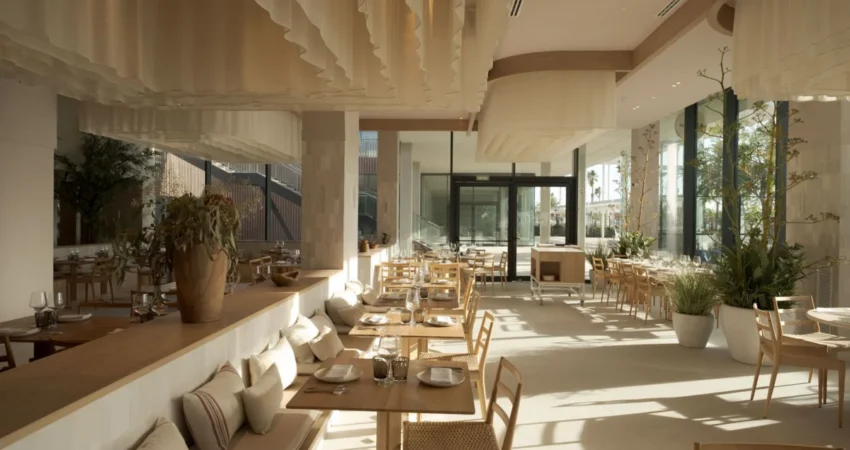
Barcelona’s culinary sector has solidified its position as a primary driver of international tourism, evolving from a traditional Mediterranean hub into a diverse global epicenter for gastronomic innovation. While the economic landscape of Spain has shifted, resulting in increased costs for both operators and consumers, the city’s food scene remains a resilient pillar of the local economy. The current market is characterized by a sophisticated blend of heritage-based Catalan cooking and an influx of multicultural influences, ranging from high-end Japanese fusion to authentic Mesoamerican and Andean cuisines. This transformation is not merely a matter of changing tastes but reflects broader socio-economic shifts, including increased global mobility, the professionalization of the hospitality sector, and a heightened focus on agricultural sustainability.
The Historical Trajectory of Barcelona’s Culinary Identity
The contemporary success of Barcelona’s restaurant industry is rooted in a timeline of radical innovation and preservation. Historically, the city’s food identity was defined by the "Mar i Muntanya" (sea and mountain) philosophy, utilizing the proximity of the Mediterranean Sea and the Pyrenees mountains. This traditional foundation underwent a seismic shift in the late 20th century.
In the 1990s and early 2000s, the rise of "molecular gastronomy," spearheaded by figures like Ferran Adrià at El Bulli—located just north of the city—redefined Barcelona as a laboratory for culinary science. This era established the city as a destination for "gastro-tourists," a demographic that prioritizes dining experiences as the primary motivation for travel. Following the closure of El Bulli in 2011, a new generation of chefs, many of whom were protégés of the Adrià brothers, dispersed throughout Barcelona, opening accessible yet innovative establishments.
By the mid-2010s, the "Bistronomy" movement took hold. This trend saw highly trained chefs moving away from the rigid structures of Michelin-starred fine dining to open smaller, neighborhood-focused venues. These establishments prioritized high-quality, seasonal ingredients over white-tablecloth formality, bridging the gap between elite dining and local accessibility. Today, the scene is defined by its inclusivity, where century-old vermouth bars coexist with experimental laboratories and international kitchens.
Economic Impact and Market Data
The hospitality sector is a cornerstone of Barcelona’s Gross Domestic Product (GDP). According to data from the Barcelona Tourism Observatory, gastronomy is one of the most highly rated aspects of the city by visitors, often scoring above 9 out of 10 in satisfaction surveys. In 2023, tourism spending on food and drink in the city reached record levels, reflecting a recovery that surpassed pre-pandemic figures.
Statistical analysis reveals that there are over 10,000 catering establishments in the Barcelona metropolitan area. Of these, a significant portion is dedicated to traditional Catalan cuisine, but there has been a 15% increase in the registration of international fusion restaurants over the last five years. Furthermore, the city currently boasts over 30 Michelin stars across more than 20 establishments, placing it among the highest concentrations of culinary accolades in Europe.
The economic shift toward premiumization is evident. While the average cost of a "menú del día" (a fixed-price lunch menu mandated by law during the Franco era to ensure affordable meals for workers) has risen by approximately 20% in the last decade due to inflation and rising supply chain costs, the demand for high-end dining remains robust. This suggests a bifurcated market where both value-driven neighborhood spots and luxury destinations are finding sustainable foot traffic.
The Pillars of Modern Catalan Cuisine and Locavore Culture
The strength of Barcelona’s food scene is inextricably linked to the region’s agricultural wealth. The city is served by the Mercabarna wholesale market and the iconic La Boqueria, which act as the central nervous system for produce distribution. Modern Catalan cuisine in the city is currently defined by three primary pillars:
- Product Sourcing (Proximitat): There is an institutionalized commitment to "Km 0" products. Chefs increasingly source ingredients from the Baix Llobregat agricultural park and the Maresme coast, ensuring that the carbon footprint of the plate is minimized while supporting local farmers.
- Technological Integration: Even in traditional settings, modern techniques such as vacuum cooking (sous-vide) and advanced fermentation are used to enhance flavors and preserve the nutritional integrity of Catalan staples like salt cod (bacallà) and seasonal artichokes.
- Cultural Synthesis: The "Mar i Muntanya" tradition has evolved to include global ingredients. It is now common to find traditional stews enriched with fermented chilies or local seafood prepared with Japanese precision-cutting techniques.
Globalization and the Rise of Multicultural Gastronomy
Barcelona’s demographics have shifted significantly over the past twenty years, with international residents now making up over 20% of the population. This shift is reflected in the diversification of the restaurant industry. Mexican cuisine, for instance, has moved beyond "Tex-Mex" stereotypes to focus on regional specialties from Oaxaca and Yucatán, often utilizing corn imported directly from small Mexican cooperatives.
Similarly, the Peruvian influence in Barcelona is profound, driven by the historical links between Spain and Latin America. The "Nikkei" style—a fusion of Japanese and Peruvian traditions—has found a particularly receptive audience in the Eixample and Gràcia districts. Japanese cuisine itself has seen a move toward "Omakase" experiences, where the chef dictates the menu based on the daily catch from the Mediterranean, showcasing a hybrid of local supply and foreign technique.
Industry Standards: Sustainability and Inclusivity
The criteria for what constitutes a "best" restaurant have expanded in the modern era. Editorial boards and industry analysts now weigh a restaurant’s social and environmental impact alongside its culinary output. Sustainability in the Barcelona context involves waste reduction programs, the elimination of single-use plastics, and the ethical treatment of staff—a particularly poignant issue in an industry historically known for long hours and low pay.
Inclusivity has also become a focal point. This includes physical accessibility for diners with disabilities and the creation of menus that cater to diverse dietary requirements without compromising the gastronomic integrity of the dish. The modern Barcelona restaurant is increasingly viewed as a social enterprise that must contribute positively to its neighborhood fabric to remain viable in the long term.
Institutional Responses and Future Implications
Local government and industry bodies, such as the Gremi d’Restauració de Barcelona, have been active in navigating the challenges of a rapidly changing landscape. Official responses to the rise in tourism have focused on "decompressing" the city center, encouraging visitors to explore the culinary offerings in districts like Nou Barris or Sant Andreu, which remain bastions of authentic, non-tourist-centric dining.
Industry analysts suggest that the primary challenge for Barcelona moving forward is the "gentrification of the palate." As rents rise in historic neighborhoods like El Born and the Gòtic, many traditional family-run bodegas face closure, often replaced by standardized international chains or high-priced concepts aimed solely at tourists. This "museumification" of the city center poses a threat to the very authenticity that attracts visitors in the first place.
However, the resilience of the local dining culture is evident in the "afternoon siesta" and "late-night dinner" traditions, which remain largely unchanged despite external pressures. The social function of the meal—as a protracted event that bridges the gap between lunch and dinner—remains a fundamental part of the Catalan identity.
Conclusion: A Global Reference Point
Barcelona’s food scene is currently in a state of high-functioning equilibrium. It has successfully integrated global trends without discarding its Mediterranean soul. The city serves as a case study in how a metropolitan area can leverage its culinary heritage to build a high-value tourism brand while simultaneously fostering a space for international innovation. As the industry looks toward the future, the focus will likely remain on balancing the demands of a global audience with the necessity of preserving the local traditions and agricultural systems that made the city a gastronomic destination in the first place. For the traveling gourmand, Barcelona represents not just a place to eat, but a complex, evolving narrative of history, economy, and culture expressed through the medium of hospitality.

0 Comments