
Savannah, Georgia, long celebrated as the Hostess City of the South for its antebellum architecture and moss-draped oak trees, has undergone a significant cultural shift to become one of the premier pet-friendly destinations in the United States. This transformation is not merely a trend in hospitality but a reflection of a broader national movement toward inclusive travel, where domestic animals are increasingly viewed as essential family members rather than secondary considerations. For travelers arriving from regional hubs like Atlanta or from further afield, the city offers a seamless integration of luxury and pet-oriented amenities, ranging from gourmet canine menus to specialized concierge services. The city’s unique urban layout, characterized by 22 historic squares and expansive green spaces like Forsyth Park, provides a natural infrastructure that supports high-density pet tourism without compromising the aesthetic or historical integrity of the district.
The State of Pet-Friendly Hospitality in Savannah
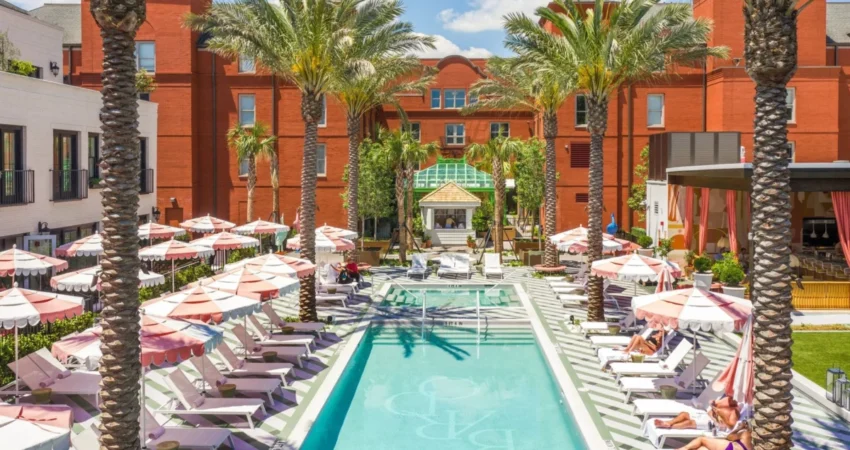
The hospitality sector in Savannah has responded to a surge in demand for high-end accommodations that cater to dog owners. Leading the market is Hotel Orielle, a property within the Autograph Collection (often referred to as the Bohemian Hotel Savannah Riverfront), which has set a benchmark for pet-inclusive service. Situated along the historic Savannah River, the hotel leverages its proximity to the River Street walkways to provide guests with immediate access to scenic exercise routes. The property’s approach to pet hospitality extends beyond mere tolerance; it includes a structured "pet-swag" program that provides treats, toys, and specialized bedding upon arrival.
A key differentiator for top-tier Savannah hotels is the integration of culinary offerings for pets. At the Coastal 15 Fish House, the on-site restaurant for Hotel Orielle, the "Pooch on the Patio" program allows dogs to dine alongside their owners. The establishment offers a dedicated canine menu, reflecting a growing trend in the luxury market where "human-grade" pet food is expected. This level of service is mirrored across the city’s Starland District and Historic District, where establishments like the Collins Quarter at Forsyth Park and the Foxy Loxy Cafe have institutionalized outdoor seating policies that prioritize the comfort of four-legged guests. Even historic institutions such as Leopold’s Ice Cream, founded in 1919, have adapted to modern consumer habits by offering "doggie sundaes" to be consumed in their alfresco dining areas.
Historical Context and Urban Planning
To understand why Savannah has emerged as a pet-friendly epicenter, one must examine the city’s 1733 Oglethorpe Plan. This unique urban design, which organized the city into a grid of wards centered around public squares, was originally intended for military training and community gatherings. However, in the 21st century, these squares—such as Monterey Square and Chippewa Square—function as decentralized "backyards" for the city’s boutique hotels and residential inns.
The chronology of Savannah’s pet-friendly evolution can be traced through the following phases:
- The Preservation Era (1950s–1980s): The focus was on architectural restoration. During this time, the squares were revitalized, unknowingly creating the perfect environment for future pet tourism.
- The Tourism Boom (1990s–2010s): As Savannah became a global destination following the success of literary and cinematic depictions of the city, the hospitality industry began to diversify.
- The Canine-Centric Pivot (2015–Present): Following a national spike in pet ownership during the late 2010s and the early 2020s, Savannah’s luxury hotels began removing "no-pet" policies in favor of "pet-forward" marketing strategies.
Supporting Data: The Economics of Pet Travel
The shift toward pet-friendly accommodations in Savannah is supported by robust economic data. According to the American Pet Products Association (APPA), approximately 70% of U.S. households own a pet, and a significant portion of these owners report that they prioritize pet-friendly options when planning vacations. In the Savannah market, hotels that offer pet-friendly amenities report higher occupancy rates during off-peak seasons, as pet owners are often more flexible with their travel dates.
Furthermore, the "pet fee" model has evolved into a revenue stream that supports property maintenance and specialized services. While fees in Savannah typically range from $75 to $150 per stay, the perceived value is maintained through the provision of high-quality goods, such as artisanal treats from local bakeries like Oliver Bentleys. This local business, which offers dog-friendly walking tours of the city, exemplifies the symbiotic relationship between Savannah’s tourism board and the pet-service industry.
Safety, Regulations, and Environmental Considerations
While Savannah is exceptionally welcoming to animals, the city’s unique Low Country environment necessitates specific safety protocols. Official guidance from the City of Savannah and local veterinary experts emphasizes three primary areas of concern for visiting pet owners:
1. Wildlife and Water Safety
Savannah’s marshy surroundings are home to diverse wildlife, including American alligators. At recreational areas like Lake Mayer, pet owners are advised to exercise extreme caution. Small dogs are particularly at risk near the water’s edge. Official signage in these areas serves as a reminder that while the city is a playground for pets, the natural ecosystem remains wild.
2. Heat and Humidity
The subtropical climate of the Georgia coast can lead to heat exhaustion in dogs, particularly during the summer months when temperatures frequently exceed 90 degrees Fahrenheit. The city has addressed this by installing public water fountains with pet-level basins in several of the historic squares and at Mother Mathilda Beasley Park.
3. Historical Integrity and Leash Laws
Savannah maintains strict leash laws to ensure the safety of both pedestrians and animals. While Mother Mathilda Beasley Park offers a fenced-in, off-leash area, dogs in the Historic District must remain leashed at all times. This regulation is also a matter of historic preservation, as it prevents damage to the city’s centuries-old monuments and manicured gardens.
Official Responses and Industry Outlook
Industry leaders in Savannah’s tourism sector have expressed a commitment to maintaining the city’s status as a top-tier pet destination. Representatives from the local hospitality associations suggest that the future of the industry lies in "seamless integration." This includes the development of mobile apps that map out pet-friendly "relief stations" and real-time updates on which restaurant patios have available space for guests with dogs.
The "Condé Nast Traveler" standard for evaluating these properties involves a rigorous assessment of design, location, and service. Journalists and critics noted that the best pet-friendly hotels in Savannah are those that do not treat pets as an afterthought. For instance, properties that provide maps of nearby green spaces or curated lists of local 24-hour emergency vets are ranked significantly higher than those that merely allow dogs in the rooms.
Broader Impact and Implications for Urban Tourism
The success of Savannah’s pet-friendly model has broader implications for urban tourism across the United States. It demonstrates that historic preservation and modern lifestyle trends are not mutually exclusive. By adapting historic buildings into luxury hotels that welcome animals, Savannah has managed to preserve its "Old South" charm while appealing to a younger, more mobile demographic of travelers.
The economic impact extends beyond the hotels. Local boutiques, craft breweries, and even art galleries in the Starland District have seen increased foot traffic by adopting pet-friendly policies. This holistic approach to tourism ensures that the "Hostess City" remains competitive in a crowded travel market. As more travelers seek destinations that accommodate their entire household—including four-legged members—Savannah’s proactive stance on pet hospitality serves as a blueprint for other historic cities looking to modernize their appeal.
In conclusion, the rise of pet-friendly hotels in Savannah is a sophisticated response to changing consumer behaviors. By combining the city’s natural architectural advantages with high-end service and a focus on safety, Savannah has secured its position as a leader in the luxury pet travel sector. Whether it is a "doggie sundae" at Leopold’s or a curated gift bag at Hotel Orielle, the city’s commitment to canine guests is an integral part of its modern identity.

0 Comments