
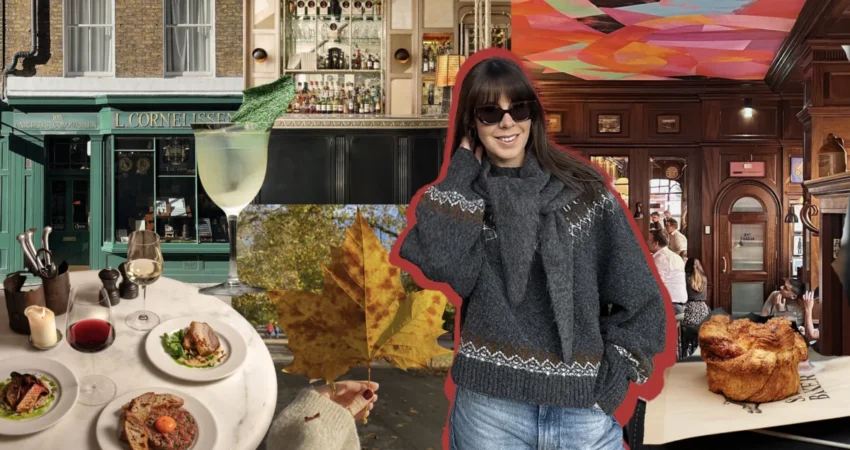
The transition from the peak summer season to the fiscal third quarter marks a significant shift in London’s hospitality and tourism sectors, characterized by a move toward seasonal gastronomy, heritage-focused retail, and the utilization of urban green spaces during the shoulder season. This period, often referred to as the "back-to-school" window, sees a change in consumer behavior as the city’s pace recalibrates. According to data from VisitBritain, the autumn months represent a critical period for domestic and international "city break" tourism, with London remaining the primary beneficiary of seasonal spending in the United Kingdom. As the city moves away from the high-occupancy summer months, the focus shifts toward "slow travel" and the curated experiences found in the West End and its surrounding boroughs.

The Strategic Shift in London’s Seasonal Hospitality
The hospitality industry in London prepares for the autumn equinox by rotating menus and atmospheric branding to align with cooler temperatures and shorter daylight hours. This is most visible in the specialty coffee sector and the artisanal bakery market. Market research indicates that consumer preference shifts from cold-brew and iced beverages to warmer, spice-profiled drinks—such as those featuring nutmeg, maple, and pumpkin—starting in late September. This transition is not merely aesthetic but reflects a supply chain adjustment as businesses move toward seasonal produce and comfort-oriented culinary offerings.
In neighborhoods like Covent Garden and Bloomsbury, the intersection of literary history and gastronomy provides a robust foundation for autumn tourism. The presence of long-standing institutions and independent enterprises creates a "micro-climate" of commerce that sustains footfall even as outdoor dining becomes less viable.

Chronological Analysis of a High-End Autumn Itinerary
The following chronology outlines the operational flow and cultural significance of key establishments within London’s central districts during the autumn season.
09:00 – The Specialty Coffee Sector: Monmouth Coffee Company
The day begins in Covent Garden at Monmouth Street, home to the Monmouth Coffee Company. Established in 1978, Monmouth is a pioneer of the "Third Wave" coffee movement in London, focusing on direct-trade sourcing and traditional roasting techniques. During the autumn months, the establishment experiences a surge in demand for whole-bean sales as consumers prepare for indoor-focused social habits. The queue at Monmouth is a recognized metric of the area’s morning commercial activity, reflecting the enduring appeal of artisanal roasting despite the proliferation of global coffee chains.

10:00 – Literary Gastronomy: Bloomsbury and St John Bakery
Moving north to Bloomsbury, the cultural narrative shifts to the district’s deep-seated literary ties. Bloomsbury served as the intellectual hub for the "Bloomsbury Group," including Virginia Woolf and E.M. Forster. Today, this heritage is leveraged by businesses such as the London Review Bookshop and its adjacent St John Bakery. St John, founded by Trevor Gulliver and chef Fergus Henderson, is credited with the "nose-to-tail" dining revolution in the UK. Their presence in Bloomsbury, offering seasonal items like cinnamon buns and doughnuts, illustrates how high-concept gastronomy can integrate with academic and literary environments to drive morning footfall.
11:00 – Independent Retail and the ‘Marylebone Village’ Concept
Marylebone represents a successful model of estate-managed retail. Managed largely by the Howard de Walden Estate, the area has maintained a high density of independent boutiques. In autumn, the retail sector here focuses on "new-season" launches. Key players include:

- Daunt Books: An Edwardian bookshop known for its oak galleries and travel-focused catalog.
- KJ’s Laundry and TOAST: Examples of premium lifestyle and apparel brands that capitalize on the seasonal shift toward knitwear and homewares.
- James Smith & Sons: Operating since 1830, this umbrella specialist highlights the necessity of weather-appropriate accessories in the London climate, serving as a landmark of Victorian-era retail preservation.
13:00 – Gastronomic Trends in the West End
Lunch service in Marylebone reflects the city’s diverse culinary landscape. Establishments like The Hart (a traditional pub environment) and Café Murano (led by Michelin-starred chef Angela Hartnett) demonstrate the trend toward "refined comfort." Café Murano’s focus on Northern Italian cuisine, featuring seasonal ragus and heavy pastas, aligns with the caloric preferences of the cooler months. Simultaneously, Jikoni, led by Ravinder Bhogal, showcases the "mixed-heritage" cooking that has become a staple of London’s modern identity, utilizing warming spices and innovative fusion techniques to attract a cosmopolitan demographic.
14:30 – Cultural Preservation: The Wallace Collection
The Wallace Collection in Manchester Square serves as a primary example of a national museum housed in a historic townhouse. Bequeathed to the British nation in 1897, the collection includes 18th-century French paintings, furniture, and porcelain. During autumn, the museum’s indoor setting provides a controlled environment for cultural engagement, away from the unpredictable weather. The presence of such institutions within walking distance of retail hubs creates a "culture-and-commerce" loop that is essential for the West End’s economic health.

15:30 – Urban Greenspace Management: Hyde Park
Hyde Park, one of London’s eight Royal Parks, covers 350 acres. In the autumn, the park’s arboricultural management becomes a focal point as the foliage transitions through the "jewel-tone" cycle. This aesthetic change is a significant driver of local leisure activity. The Royal Parks organization notes that well-maintained green spaces contribute billions of pounds in "natural capital" to the city, supporting mental health and providing essential ecosystem services while serving as a scenic thoroughfare for pedestrians moving between Marylebone and Mayfair.
17:00 – The Rise of the Luxury Grocery: Farm Shop Mayfair
The late afternoon marks a peak in the "premium grocery" sector. Farm Shop Mayfair, part of the Artfarm hospitality group founded by Iwan and Manuela Wirth (the gallerists behind Hauser & Wirth), represents the vertical integration of agriculture and luxury retail. By selling produce from their 1,000-acre farm in Somerset, they tap into the consumer desire for provenance and "farm-to-table" transparency. This model reflects a broader trend where hospitality groups diversify into retail to capture a larger share of the domestic food and beverage spend.

18:30 – The Evolution of the High-End Bar: The Connaught
The Connaught Bar in Mayfair is frequently cited in the "World’s 50 Best Bars" list. Under the direction of Agostino Perrone, the bar’s martini service is a study in precision hospitality. The autumn season sees a shift in bar demographics toward business professionals and international travelers seeking "heritage luxury." The Connaught’s ability to maintain high service standards while managing a high-volume, high-margin beverage program is a benchmark for the global hotel industry.
20:00 – Heritage Dining: Wiltons of St James’s
The day concludes in St James’s at Wiltons, London’s second-oldest restaurant, established in 1742. Wiltons epitomizes the "British Institution" style of dining, focusing on seafood, game, and traditional service. Game season, which begins in late summer and peaks in autumn, is a vital component of Wiltons’ menu. The restaurant’s survival through nearly three centuries is attributed to its adherence to "old-world" standards—wood-paneled booths and silver service—which resonate particularly well during the festive and formal atmosphere of the later months of the year.

Supporting Data and Economic Context
London’s tourism economy is estimated to be worth approximately £36 billion annually. While summer remains the peak season for volume, the autumn quarter is characterized by higher per-capita spending among "cultural tourists." Data from the New West End Company indicates that the district sees a resurgence in domestic spending during September and October, as London residents return to the city and engage with the new seasonal offerings in the West End.
Furthermore, the hospitality sector’s shift toward "cozy" or "hygge" aesthetics is a calculated response to consumer psychology. Studies in retail environmental psychology suggest that warmer lighting and richer textures—common in London’s autumn pub and restaurant designs—increase the "dwell time" of customers, leading to higher average transaction values.

Official Responses and Industry Outlook
Industry bodies such as UKHospitality have noted that while the sector faces challenges regarding energy costs and labor shortages, the "experience economy" in London remains resilient. A spokesperson for the British Beer and Pub Association (BBPA) highlighted that the "traditional London pub" remains a cornerstone of the UK’s soft power, with autumn being a peak season for "indoor social cohesion."
Analysts suggest that the future of London’s autumn tourism lies in the continued integration of art, food, and retail. The success of the "Artfarm" model and the enduring popularity of heritage sites like Wiltons and The Wallace Collection indicate that consumers are increasingly looking for authenticity and historical depth in their leisure choices.

Broader Impact and Implications
The seasonal transition of London serves as a case study for urban resilience and adaptive commerce. By pivoting from the high-energy, outdoor-centric activities of the summer to the curated, indoor, and heritage-focused experiences of the autumn, the city maintains its status as a global destination. The synergy between independent retailers in Marylebone, historic dining rooms in St James’s, and world-class bars in Mayfair ensures that London’s economic engine remains functional throughout the year.
In conclusion, the "dreamy fall day" described in travel narratives is, in reality, a sophisticated network of hospitality, retail, and cultural management. Each establishment, from the morning coffee roaster to the evening oyster bar, plays a specific role in the city’s seasonal ecosystem, contributing to a broader narrative of continuity and evolution in the heart of the United Kingdom’s capital.

0 Comments