
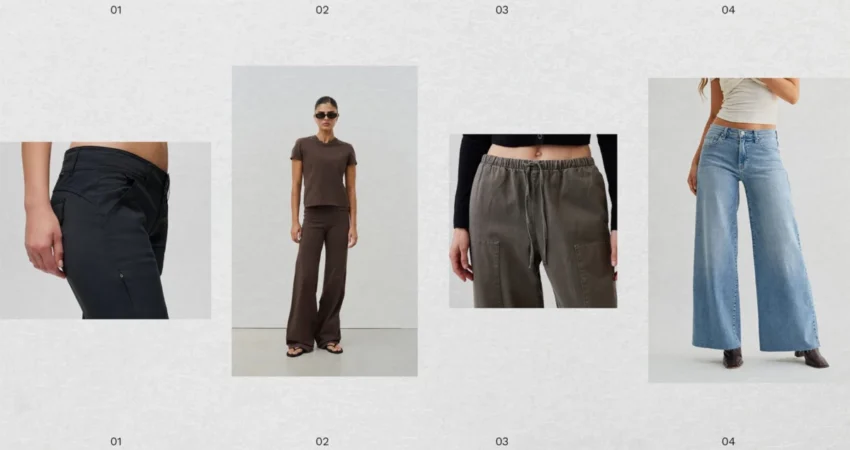
The global travel apparel industry is undergoing a significant paradigm shift as passengers increasingly reject the binary choice between formal attire and traditional sleepwear. For decades, the "Golden Age of Flight" demanded tailored suits and dresses, a standard that eventually collapsed into the ultra-casual era of the early 2000s, dominated by fleece sweatpants and athletic leggings. However, a new category of "hybrid travel wear" has emerged, driven by a consumer base that demands technical performance—stretch, breathability, and wrinkle resistance—without sacrificing a professional or polished aesthetic. This evolution is not merely a matter of style but a response to the logistical rigors of modern transit, where a single garment must perform across varying climates, seating configurations, and social settings.
The Rise of Technical Tailoring in Global Transit
Market data suggests that the global athleisure and travel apparel market is projected to reach a valuation of over $600 billion by 2030, with a significant portion of that growth attributed to "versatile basics." Travelers are no longer packing for a single destination; they are packing for "bleisure"—the blending of business and leisure travel. This trend requires clothing that can survive a ten-hour red-eye flight and transition immediately into a boardroom or a high-end restaurant.
The core challenge for designers in this space is the "sitting test." Traditional denim and heavy wool trousers often fail during extended periods of inactivity, leading to restricted circulation and fabric sagging. Conversely, while comfortable, traditional knit sweats often lack the structural integrity required for professional environments. The solution has been the integration of high-percentage elastane blends, ponte knits, and moisture-wicking synthetic fibers that mimic the drape of luxury fabrics while providing the mobility of activewear.

High-Performance Dress Pants: Bridging the Professional Gap
Among the top-tier options identified by frequent travelers and industry experts is the Spanx Ponte Wide Leg Pant. This garment represents the pinnacle of "compression tailoring." Utilizing a high-rise waistband with built-in structure, the pant offers a flattering silhouette that masks the underlying comfort of its stretchy fabric. Madison Flager, a commerce director and frequent international flyer, notes that the wide-leg design provides the necessary roominess for long-haul flights while maintaining enough structure for business meetings. The availability of multiple inseams—petite, regular, and tall—addresses a common pain point in travel retail: the need for a precise fit that prevents tripping in crowded terminals.
Similarly, the Abercrombie & Fitch Curve Love Sloane Low-Rise Tailored Pant has gained traction for its "sweatpant-like" feel achieved through soft, menswear-inspired fabrics. By incorporating a partially elastic waistband, the brand has addressed the "waist-gap" issue often found in traditional trousers. The inclusion of pleating details ensures that the pant retains its shape even after hours of compression in an economy-class seat.
Utility and Outdoor Integration: The Versatile Explorer
For travelers whose itineraries include both urban centers and rugged landscapes, the utility category has seen a surge in innovation. The Prana Halle Low Rise Bootcut Pant is a primary example of this cross-functional design. Engineered with water-repellant finishes and the ability to be rolled and pinned at the calf, it serves as a technical hiking garment that remains aesthetically neutral enough for a train ride through Europe.
Data from the outdoor apparel sector indicates that "convertible" features are increasingly popular among Gen Z and Millennial travelers who prioritize "one-bag" travel. The ability to reduce luggage volume by selecting a single pair of pants that functions across multiple environments is a key driver in purchase decisions. Jessica Sulima, a professional commerce writer, emphasizes that the lightweight nature of these utility styles allows them to be packed into minimal space without the risk of permanent creasing, a common flaw in traditional cargo or chino styles.

The Durability Factor: Investment Pieces for the Frequent Flyer
In the luxury segment, the Apiece Apart Rene Pull-On Pant has set a benchmark for durability. Constructed from a blend of viscose and recycled nylon, these pants are frequently described as "indestructible" by long-term users. Senior features editor Rebecca Misner highlights the fabric’s resilience, noting its ability to withstand the friction and stress of constant travel without pilling or losing its kick-flare silhouette.
While the price point for such investment pieces is higher, the "cost-per-wear" analysis favored by sustainable fashion advocates suggests that these garments offer superior value over time. As the fashion industry faces increasing pressure to reduce waste, the move toward "travel-proof" clothing that lasts for years rather than seasons is becoming a central pillar of corporate social responsibility for major brands.
Casual Structure: The Evolution of the Pull-On Pant
The traditional elastic-waist pant, once associated solely with loungewear, has been reimagined through sophisticated textiles. The Gap Easy Double-Knee Barrel Pant utilizes soft cotton with a structured "barrel" cut, providing a modern silhouette that conceals its comfort-focused drawcord waist. Global social director Mercedes Bleth identifies these as a "working overtime" garment, suitable for everything from maternity wear to international road trips.
Furthermore, avant-garde silhouettes like The Frankie Shop’s Aubray Balloon Pants demonstrate that volume can be a functional asset. Arati Menon, a global digital director, argues that "comfort doesn’t have to be at odds with style." The balloon fit allows for maximum air circulation and freedom of movement, which is essential for preventing the discomfort of bloating during high-altitude flights.

The Denim Revolution: Soft Tech and Shape Retention
Perhaps the most significant innovation in travel wear is the "soft denim" movement. Historically, jeans were considered the enemy of the long-haul traveler due to their rigid seams and lack of breathability. However, brands like Silver Jeans Co. and Just Black Denim have introduced "stretch denim" that prioritizes zero-friction.
The Silver Jeans Co. Suki Mid-Rise Wide-Leg Jean is engineered to "snap back" to its original shape, preventing the sagging knees and waistbands that typically plague denim after a day of wear. This shape-retention technology is a critical requirement for travelers who may not have access to laundry facilities for several days. In the same vein, Halara’s Flex Jeans use a knitted denim-look fabric that provides the aesthetic of a dark-wash jean with the physical properties of a pajama pant.
Chronology of Travel Apparel Innovation
To understand the current market, one must look at the timeline of textile development over the last decade:
- 2014-2016: The "Athleisure Explosion." Leggings become socially acceptable for air travel, leading to a decline in traditional trouser sales.
- 2017-2019: The "Technical Workwear" Phase. Startups begin incorporating silver ions (for odor resistance) and DWR coatings into office-appropriate clothing.
- 2020-2022: The "Zoom Effect." Remote work demands clothing that is comfortable for sitting but looks professional on camera, leading to the rise of the "commuter pant."
- 2023-Present: The "Performance Tailoring" Era. Major retailers like Gap, Levi’s, and Abercrombie & Fitch pivot their main lines to include high-stretch, wrinkle-resistant travel collections.
Broader Impact and Industry Analysis
The shift toward high-performance travel pants reflects a broader societal change in how we value "readiness." In an era of increasing travel disruptions, including long delays and missed connections, the modern traveler views their clothing as a piece of equipment. If a passenger is forced to spend an unexpected night in an airport terminal, their clothing must provide the warmth and comfort of a base layer while maintaining the dignity of a professional outfit.

Industry analysts at McKinsey & Company have noted that "versatility" is now the top-searched attribute in the apparel category. This has forced traditional denim manufacturers to compete with athletic brands, leading to a cross-pollination of technologies. We see "athleisure" brands like Set Active creating straight-leg leggings that look like trousers, while "heritage" brands like Levi’s are creating "Baggy Dad" jeans with the softness of a knit.
Furthermore, the environmental impact of this trend is notable. By creating multi-functional garments, brands are theoretically reducing the total number of items a consumer needs to own. The use of recycled nylon and organic cotton in brands like Sisterly Tribe and Apiece Apart further aligns the travel apparel sector with global sustainability goals.
Conclusion: The New Standard for the Road
The search for the "perfect travel pant" has moved beyond a niche obsession of fashion editors into a mainstream consumer demand. The products currently leading the market—ranging from Spanx’s compression ponte to Silver Jeans’ shape-retention denim—share a common DNA: they respect the wearer’s need for physical ease without compromising their public identity. As global travel continues to rebound to pre-pandemic levels, the brands that master this balance of textile science and classic tailoring will likely dominate the wardrobes of the world’s most frequent flyers. The era of choosing between looking "put together" and feeling comfortable is officially over; the modern traveler now expects, and receives, both.

0 Comments