
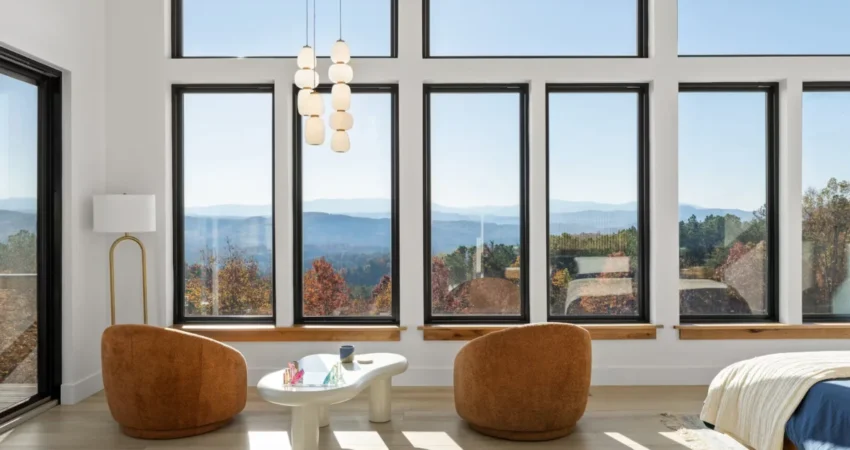
The transition of seasons across the North American landscape marks one of the most significant periods for domestic tourism, as travelers increasingly seek out "leaf-peeping" opportunities in remote destinations. As the vibrant hues of summer fade into the deep ochres, crimsons, and golds of autumn, a specialized segment of the hospitality market—specifically short-term rentals—has seen a surge in demand. This phenomenon is driven by the ephemeral nature of the foliage change, a biological process that lasts only a few weeks in any given region. To capture this fleeting aesthetic, travelers are gravitating toward properties that offer not just a place to stay, but an immersive environmental experience. From the dense hardwood forests of New England to the high-altitude aspen groves of the Colorado backcountry, the selection of the right accommodation has become central to the modern autumnal travel itinerary.
The Seasonal Shift and the Urgency of Autumnal Travel
The window for viewing peak fall foliage is notoriously narrow, often influenced by a delicate balance of temperature, moisture, and daylight hours. For many travelers, this creates a sense of urgency, leading to a spike in last-minute bookings. Industry data suggests that the "shoulder season"—the period between the peak summer rush and the winter holidays—is no longer a quiet time for the travel industry. Instead, it has been reclaimed by nature enthusiasts.
In the United States, the migration of color typically begins in the northernmost latitudes and higher elevations in late September, slowly cascading southward through November. This geographical progression allows for a staggered tourism season. However, because the exact timing of "peak" color can vary by up to two weeks depending on annual weather patterns, the flexibility offered by short-term rental platforms like Airbnb has become a preferred tool for travelers monitoring foliage trackers and weather reports.
The Science and Chronology of the Fall Color Spectrum
To understand the appeal of these specific Airbnb retreats, one must understand the biological chronology that creates the spectacle. The transformation is triggered by the shortening of days and the cooling of nights, which signals to deciduous trees that it is time to prepare for winter. As trees stop producing chlorophyll—the green pigment responsible for photosynthesis—other pigments already present in the leaves, such as carotenoids (yellow and orange), become visible. In certain species, like maples, the production of anthocyanins (red and purple) is triggered by bright light and excess plant sugars, creating the brilliant mosaics that define the East Coast landscape.
This process follows a predictable but fragile timeline:
- Late September: High-altitude regions in the Rocky Mountains and northernmost Maine see the first shifts, dominated by the golden yellows of aspens and the deep reds of sugar maples.
- Early to Mid-October: This is the traditional peak for much of New England, the Upper Midwest, and the Pacific Northwest.
- Late October to Early November: The "second wave" of color hits the Mid-Atlantic, the Blue Ridge Mountains, and parts of the South, where oaks and sourwoods provide late-season vibrance.
Economic Significance and Tourism Data
The economic impact of fall foliage tourism is substantial, particularly for rural communities that rely on seasonal influxes to sustain local businesses. According to tourism board reports from states like Vermont and New Hampshire, the fall season can account for up to 25% of total annual tourism revenue. In Vermont alone, autumn visitors contribute an estimated $460 million to the state economy each year.
The shift toward remote Airbnbs reflects a broader trend in "slow travel," where consumers prioritize quality of environment over proximity to urban centers. Data from Airbnb indicates that listings categorized under "Off-the-Grid," "Amazing Views," and "National Parks" see a significant uptick in search volume during the months of August and September. Furthermore, the introduction of the "Guest Favorite" badge and "Superhost" status has helped consumers navigate the market, ensuring that the high demand for these properties is met with a consistent standard of quality and reliability.
Criteria for High-Performance Short-Term Rentals
The properties highlighted in current travel trends are selected based on a rigorous set of criteria that align with the expectations of the modern traveler. These criteria include:
- Architectural Integration: Properties featuring floor-to-ceiling windows are highly coveted, as they serve as a "living frame" for the scenery, allowing guests to experience the outdoors while remaining in a climate-controlled environment.
- Luxe Wellness Amenities: There is a growing demand for outdoor-centric amenities such as barrel saunas, cedar hot tubs, and fire pits. These features extend the usability of the property during the cooler autumn nights.
- Location and Privacy: Remote locations that provide direct access to hiking trails or private forest acreage are prioritized. The goal for many is "disconnection," moving away from crowded tourist hubs to find personal sanctuary in the woods.
- Reputation and Reliability: With the volatility of the season, travelers rely on the "Superhost" designation—a metric awarded to hosts with high ratings, low cancellation rates, and a track record of excellent service.
Regional Highlights: From New England to the Rockies
While New England remains the quintessential destination for fall foliage, the geography of "leaf peeping" has expanded significantly.
The New England Tradition
In states like Vermont, New Hampshire, and Maine, the focus is on the classic cabin aesthetic. These properties often emphasize history and coziness, featuring stone fireplaces and wood-beamed ceilings. The proximity to small-town festivals and apple orchards adds a cultural layer to the environmental experience.
The Western Frontier
In the West, particularly in Colorado and Utah, the experience is markedly different. The foliage is dominated by the Quaking Aspen, which turns a singular, brilliant shade of gold. Airbnbs in these regions are often modern, off-grid ranches or mountain chalets that cater to a more adventurous demographic, offering access to high-altitude backcountry trails.
The Mid-Atlantic and Blue Ridge
The Appalachian range offers a longer, more drawn-out season. Properties in the Blue Ridge Mountains of Virginia and North Carolina provide views of a diverse forest canopy, where the mixture of species results in a complex palette of purples and deep bronzes that last well into November.
Statements from the Hospitality Sector
Industry analysts suggest that the "Airbnb effect" has forced traditional hotels in foliage-heavy regions to adapt. "The modern traveler is looking for an ‘authentic’ connection to the landscape," says a senior analyst at a leading travel research firm. "A hotel room in a town center cannot compete with a glass-walled cabin located three miles into the forest. The short-term rental market has successfully commodified the view, turning the environment itself into the primary amenity."
Furthermore, representatives from Airbnb have noted that the "Guest Favorite" category—representing the top 2% of homes based on ratings and reliability—has become a crucial filter for users during high-stakes travel seasons like autumn. This transparency helps mitigate the risks associated with last-minute, high-cost bookings.
Environmental Implications and the Future of Seasonal Tourism
The future of fall foliage tourism is inextricably linked to climate change. Research from environmental scientists indicates that warming temperatures are beginning to alter the timing and intensity of fall colors. Warmer-than-average autumns can delay the onset of color change, while droughts can cause leaves to turn brown and fall prematurely, bypassing the vibrant stages altogether.
For the travel industry, this means that "peak season" is becoming a moving target. Travelers and hosts alike must become more adaptable. There is also the concern of "over-tourism" in small, rural communities. The influx of visitors to remote Airbnbs can strain local infrastructure and impact sensitive ecosystems. Many hosts are now including "Leave No Trace" guidelines in their welcome kits to encourage sustainable tourism.
Broader Impact and Implications
The rise of high-end, nature-focused Airbnbs represents a shift in American leisure priorities. The "seasonal fantasy" described by travel editors is a manifestation of a deeper societal desire for wellness and nature-based therapy. By providing a curated, luxurious gateway to the outdoors, these properties allow individuals to engage with the natural world without sacrificing comfort.
In a broader economic sense, the success of these rentals underscores the resilience of the domestic travel market. Even in the face of economic fluctuations, the "experience economy" remains robust. People are willing to invest in a "last-minute autumnal trip" because the value of the experience is tied to its scarcity. As long as the seasons continue to change, the pursuit of the perfect view will remain a cornerstone of the American travel experience, driving innovation in architecture, hospitality, and environmental stewardship.
In conclusion, the selection of premier Airbnb retreats for fall foliage viewing is more than a matter of aesthetic preference; it is a response to a complex interplay of biology, economics, and consumer psychology. By focusing on quality, location, and the unique offerings of the landscape, these properties provide a vital link between the urban dweller and the fleeting beauty of the natural world.

0 Comments