
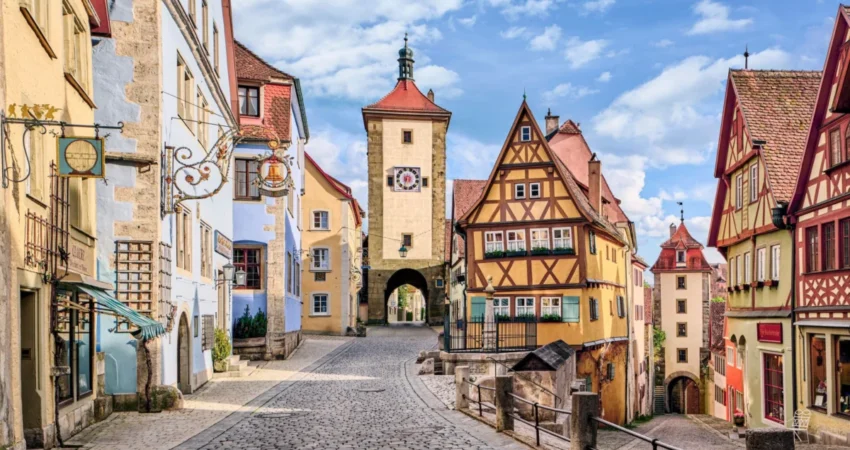
Visiting one of the world’s most beautiful villages offers a profound sense of stepping back in time, an immersion into a realm where unique architecture harmonizes with breathtaking natural landscapes. However, the allure of such quaint locales can often be diminished by the overwhelming presence of crowds, all seeking the same intimate charm. While iconic destinations like Oia in Greece and Positano in Italy have become undeniably popular, a wealth of equally stunning, yet more secluded, spots remain, offering the opportunity to experience their tranquil atmospheres without the throngs of tourists. These less-traveled havens, while requiring a greater commitment to reach, promise unparalleled panoramic vistas, untouched natural wonders, striking architectural marvels, and a rich tapestry of history. This curated selection highlights 17 of the most exquisite villages globally, each deserving a prominent place on any discerning traveler’s bucket list, from a quintessentially English hamlet seemingly plucked from the pages of a fairy tale to a vibrant, color-drenched town in Colombia.
The Growing Appeal of Off-the-Beaten-Path Destinations
In recent years, there has been a discernible shift in travel preferences. While major tourist hubs continue to attract millions, a growing segment of travelers is actively seeking authentic experiences that move beyond the conventional tourist trails. This trend is fueled by a desire for deeper cultural immersion, a more profound connection with nature, and a respite from the often-frenetic pace of modern life. The concept of "slow travel" has gained traction, emphasizing quality over quantity and encouraging exploration of destinations that retain their local character and offer a genuine sense of place.

The allure of the village, in particular, taps into a romanticized ideal of community, tradition, and a simpler way of life. Historically, villages have been the bedrock of societies, centers of agricultural production, and repositories of cultural heritage. Their architecture, often a direct reflection of local materials and historical influences, tells a story of generations past. The surrounding landscapes, shaped by centuries of human interaction and natural forces, provide a backdrop of unparalleled beauty.
However, the very charm that draws visitors can also lead to over-tourism, threatening the delicate balance of these communities and diminishing the very qualities that made them attractive in the first place. Reports from organizations like the UN World Tourism Organization (UNWTO) have repeatedly highlighted the challenges of managing tourism in sensitive areas, emphasizing the need for sustainable practices and visitor dispersal strategies. The rise of social media, while effective in showcasing beautiful locales, can also contribute to the rapid popularization of previously hidden gems, leading to swift changes in their character and accessibility.
Therefore, identifying and exploring villages that have managed to retain their serenity and authenticity, even as their appeal grows, becomes increasingly important for both travelers and the preservation of these unique places. These destinations often require a more adventurous spirit, a willingness to navigate less-traveled routes, and an appreciation for the quietude that defines them.
Curated Escapes: Villages Offering Character and Serenity
The following villages represent a diverse range of geographical locations and cultural influences, yet they share a common thread: an undeniable charm and a capacity to offer a tranquil, character-filled experience far from the madding crowds.
Bibury, England: A Cotswolds Fairytale
Nestled in the heart of the Cotswolds, Bibury is often cited as one of England’s most picturesque villages. Its primary draw is Arlington Row, a collection of 14th-century weavers’ cottages, built from local honey-colored stone, that line the banks of the River Coln. The cottages, once used by the monks of St. Mary’s Abbey, are now a Grade I listed building and a symbol of quintessential English rural beauty. The village also features the Swan Hotel, a historic inn that has welcomed visitors for centuries, and the Bibury Trout Farm, established in 1902, offering a glimpse into traditional local industry.
The Cotswolds region, designated an Area of Outstanding Natural Beauty (AONB), boasts rolling hills, ancient woodlands, and a network of charming villages. Bibury, however, has managed to maintain a sense of intimate scale despite its popularity. The preservation of its historic architecture, enforced by strict planning regulations, ensures that the village retains its timeless appeal. While day-trippers are common, the experience of staying overnight allows for a more profound appreciation of its quiet mornings and evenings.

Colmar, France: Alsace’s Enchanting Gem
Colmar, located in the Alsace region of France, is a captivating town that evokes the feeling of stepping into a storybook. Its well-preserved Old Town is a labyrinth of cobblestone streets, half-timbered houses painted in vibrant hues, and picturesque canals that have earned it the nickname "Little Venice." The architecture is a unique blend of French and German influences, a testament to the region’s complex history.
Key attractions include the Maison Pfister, a Renaissance-era house with ornate frescoes, the picturesque Quai de la Poissonnerie, and the Musée Unterlinden, home to the Isenheim Altarpiece. Colmar is also a significant wine-producing area, known for its crisp dry white wines, including Riesling and Gewürztraminer. The town comes alive during the Christmas market season, transforming into a magical wonderland, but its charm endures year-round. The careful restoration and ongoing preservation efforts have ensured that Colmar’s historical integrity remains intact, offering visitors an authentic glimpse into Alsatian heritage.
Hallstatt, Austria: A Lakeside Alpine Dream
Perched on the western shore of Lake Hallstatt, surrounded by the dramatic Dachstein Alps, Hallstatt is a UNESCO World Heritage site renowned for its breathtaking scenery and rich mining history. The village’s charming houses seem to cling precariously to the mountainside, creating an iconic, almost surreal, panorama. The salt mines, in operation for over 7,000 years, are one of the oldest in the world and offer a fascinating insight into the region’s economic and historical development.

Visitors can explore the bone house (Beinhaus), adorned with over 600 intricately painted skulls, a poignant reflection of historical burial practices. The Skywalk "World Heritage View" offers unparalleled vistas of the lake and surrounding mountains. Hallstatt’s isolation, nestled between the lake and steep mountains, has historically protected its unique character. While its beauty has led to increased tourism, efforts are continuously being made to manage visitor numbers and protect the village’s fragile ecosystem and cultural heritage. The village’s relatively remote location has helped preserve its intimate atmosphere, making it a sought-after destination for those seeking natural splendor and historical depth.
Chefchaouen, Morocco: The Blue Pearl of the Rif Mountains
Nestled in the Rif Mountains of northwestern Morocco, Chefchaouen is famously known as the "Blue Pearl" due to its striking blue-washed buildings. This distinctive color is believed to have been introduced by Jewish refugees in the 1930s, who associated blue with the sky and heaven. The medina, or old town, is a captivating maze of narrow, winding alleys, bustling souks selling local handicrafts, and tranquil squares.
Beyond its aesthetic appeal, Chefchaouen offers a more relaxed pace of life compared to Morocco’s imperial cities. Visitors can explore the Kasbah Museum, hike in the surrounding mountains, or simply wander through the enchanting blue streets, soaking in the unique atmosphere. The village’s location, away from major transportation hubs, has contributed to its preserved character and laid-back ambiance. The consistent application of the blue hue across the town creates a visually stunning and immersive experience.

Giethoorn, Netherlands: The "Venice of the North"
Often referred to as the "Venice of the North," Giethoorn is a Dutch village where the primary mode of transportation is by water. Instead of roads, a network of canals crisscrosses the village, and residents and visitors navigate by boat. The charming thatched-roof farmhouses are connected by over 170 small wooden bridges, creating a whimsical and idyllic setting.
The village’s unique infrastructure developed over centuries, as peat extraction led to the formation of numerous waterways. Today, visitors can rent electric "whisper boats" to explore the canals, enjoying the peaceful surroundings and the distinctive architecture. Giethoorn offers a tranquil escape, where the gentle lapping of water and the absence of car traffic create a serene environment. The preservation of its canal system and pedestrian-friendly bridges is central to its charm.
Sidi Bou Said, Tunisia: Mediterranean Elegance
Perched on a cliff overlooking the Mediterranean Sea, Sidi Bou Said is a picturesque village in Tunisia renowned for its dazzling white-washed buildings adorned with vibrant blue doors and window shutters. This striking aesthetic is a result of historical architectural styles influenced by Andalusian and Moorish traditions. The village has long been a haven for artists and intellectuals, drawn by its serene beauty and inspiring atmosphere.

Wandering through its narrow, winding streets, visitors can explore boutique shops selling local crafts, art galleries, and charming cafes. The panoramic views of the azure sea from the cliffside are simply breathtaking. The village’s protected status ensures its unique architectural character is maintained, offering a tranquil and visually stunning escape. The distinctive blue and white palette is a defining feature, creating a cohesive and visually arresting environment.
Shirakawa-go and Gokayama, Japan: Gassho-style Farmhouses
These UNESCO World Heritage sites in Japan are famous for their traditional gassho-zukuri farmhouses, characterized by their steeply pitched thatched roofs designed to withstand heavy snowfall. These architectural marvels, some over 250 years old, are built without nails and are constructed to allow for communal living and agricultural work within the same structure.
The villages offer a glimpse into a bygone era of rural Japanese life. Visitors can explore the farmhouses, some of which are open to the public as museums or minshuku (traditional inns), and experience the unique lifestyle that has been preserved for centuries. The surrounding natural landscapes, with rice paddies and forested mountains, further enhance the idyllic setting. The communities actively work to preserve the gassho-zukuri style, a testament to their commitment to cultural heritage.

Alberobello, Italy: The Trulli Town
Located in the Puglia region of Italy, Alberobello is a UNESCO World Heritage site renowned for its unique trulli houses. These distinctive conical-roofed dwellings, constructed from dry stone, are a testament to a historical building technique that dates back centuries. The Rione Monti and Aia Piccola districts are particularly famous for their dense clusters of these charming, almost whimsical, structures.
Wandering through Alberobello feels like stepping into a fantasy landscape. Many trulli have been converted into shops, restaurants, and accommodations, allowing visitors to experience their unique interiors. The town’s preservation efforts ensure that this architectural heritage is maintained, offering a glimpse into the region’s past. The origins of the trulli are debated, but they are often linked to historical tax evasion practices, where buildings could be quickly dismantled.
Český Krumlov, Czech Republic: Bohemian Charm
Český Krumlov, a UNESCO World Heritage site in the South Bohemian region of the Czech Republic, is a remarkably well-preserved medieval town dominated by a sprawling castle complex. The Vltava River curves around the town, creating a picturesque setting. Its narrow cobblestone streets, Renaissance and Baroque buildings, and the majestic Český Krumlov Castle transport visitors back to a bygone era.

The castle, the second largest in the Czech Republic, offers stunning views and houses numerous historical exhibits. The town’s medieval layout has remained largely unchanged, contributing to its authentic charm. Despite its popularity, Český Krumlov retains a magical atmosphere, especially during the quieter months. The careful preservation of its historical architecture and urban fabric is a key factor in its enduring appeal.
Hallstatt, Austria: A Lakeside Alpine Dream (Revisited for Deeper Context)
As mentioned earlier, Hallstatt’s beauty is undeniable. Beyond its picturesque facade, the village’s history is deeply intertwined with the extraction of salt, a resource that shaped its development and prosperity for millennia. The Hallstatt salt mine, a UNESCO World Heritage site itself, provides a compelling historical narrative. Archaeological findings in the region, dating back to the Bronze Age (circa 800-400 BC), have given rise to the "Hallstatt culture," a significant period in European prehistory, recognized for its sophisticated metalwork and distinct burial practices.
The village’s isolation, dictated by its geography, has been both a protective element and a challenge. Historically, access was primarily by boat or difficult mountain paths. In recent decades, improved infrastructure has made it more accessible, leading to a surge in tourism, particularly after its designation as a UNESCO site in 1997 and subsequent viral popularity on social media. This influx has prompted local authorities to implement measures aimed at managing visitor numbers, such as limiting bus arrivals and encouraging longer stays to disperse the impact. The implications of this tourism boom are significant for the local community, balancing economic benefits with the preservation of its unique cultural and natural heritage. The ongoing challenge for Hallstatt is to harness tourism sustainably, ensuring that its serene character is not irrevocably altered.

Chefchaouen, Morocco: The Blue Pearl’s Cultural Significance
The ubiquitous blue of Chefchaouen is more than just an aesthetic choice; it’s a cultural marker that has become synonymous with the town. While the exact origins are debated, the prevailing theory links the blue wash to the Jewish community that settled there in the 15th century, fleeing persecution. Blue, in Judaism, symbolizes the divine and the sky. This tradition persisted and evolved, becoming an integral part of the town’s identity.
Chefchaouen’s location in the Rif Mountains has historically afforded it a degree of isolation, allowing it to develop its distinct character relatively untouched by the rapid modernization that affected other Moroccan cities. The town’s economy has traditionally been based on agriculture and local crafts, with tourism becoming increasingly significant in recent decades. The slow pace of life, the accessibility of hiking trails into the surrounding mountains, and the vibrant local culture contribute to its appeal. The "blue" phenomenon has also spurred a local artisan industry producing items dyed with natural blue pigments, further integrating the color into the town’s economy.
Giethoorn, Netherlands: Engineering a Tranquil Existence
The development of Giethoorn’s unique canal system is a fascinating example of human adaptation to the environment. Originally a peat-rich area, the extraction of peat led to the formation of numerous small lakes and canals. Over time, the community adapted by building their homes on small artificial mounds and connecting them with bridges, creating a water-based infrastructure. This historical evolution has inadvertently created a car-free paradise.

The village’s appeal lies in its complete tranquility. The absence of cars means that the primary sounds are those of nature and the gentle hum of electric boats. This has made it a sought-after destination for those seeking peace and quiet, as well as a unique boating experience. The preservation of the original canal network and the characteristic bridges is paramount to maintaining the village’s charm. The Dutch commitment to maintaining waterways and a harmonious relationship with water is evident in Giethoorn’s enduring appeal.
Alberobello, Italy: The Genius of Dry Stone Construction
The trulli of Alberobello are not merely quaint architectural features; they represent an ingenious and enduring building technique. The dry stone construction, where stones are meticulously stacked without mortar, is believed to have originated as a way to avoid property taxes. According to historical accounts, homes could be quickly dismantled when tax inspectors approached, and then reassembled, effectively rendering them "temporary" structures. This historical context adds a layer of fascinating human ingenuity to the visual charm.
The preservation of Alberobello as a UNESCO site highlights the international recognition of its unique architectural heritage. The trulli are a tangible link to the agricultural past of the Puglia region and the resourcefulness of its inhabitants. The conversion of trulli into tourist amenities reflects a modern adaptation, balancing the need for economic sustainability with the imperative to protect this irreplaceable architectural legacy. The specific type of limestone used in their construction is crucial to their stability and unique aesthetic.

Shirakawa-go and Gokayama, Japan: A Living Heritage
The gassho-zukuri farmhouses of Shirakawa-go and Gokayama are more than just historical buildings; they are living heritage sites. The Gassho-zukuri Preservation Association in Shirakawa-go, for instance, plays a crucial role in maintaining these structures, which often require significant communal effort and traditional knowledge for repair and upkeep. The "yui" system, a tradition of communal cooperation, is essential for tasks like re-thatching the massive roofs.
These villages offer a unique opportunity to understand a traditional way of life that is deeply connected to the land and community. The preservation of these villages is a testament to Japan’s commitment to safeguarding its cultural heritage. The economic model often involves a blend of tourism, agriculture, and traditional crafts, ensuring that the communities remain viable and vibrant. The sheer scale and complexity of the thatched roofs, some requiring up to 1,000 bundles of straw, are a marvel of engineering and craftsmanship.
The Broader Impact: Sustainable Tourism and Cultural Preservation
The enduring appeal of these secluded villages underscores a critical trend in contemporary travel: the desire for authenticity and a departure from mass tourism. As more travelers seek these intimate experiences, the challenge of managing tourism sustainably becomes paramount. The implications extend beyond mere visitor numbers, touching upon the preservation of cultural heritage, the economic well-being of local communities, and the protection of natural environments.

Destinations like Hallstatt, which have experienced rapid growth in tourism, serve as case studies for the challenges and opportunities presented by increased visitor flows. The implementation of visitor management strategies, such as staggered entry times, restrictions on large tour buses, and the promotion of longer, more immersive stays, are becoming increasingly vital. These measures aim to mitigate the negative impacts of over-tourism, such as environmental degradation, strain on local infrastructure, and the erosion of local culture.
The success of villages like Shirakawa-go, which actively engage their communities in preservation efforts and integrate tourism in a way that respects tradition, offers a model for sustainable development. By valuing local knowledge, promoting traditional crafts, and ensuring that economic benefits are shared equitably, these communities can thrive while safeguarding their unique character.
Ultimately, the allure of these enchanting villages lies not just in their picturesque landscapes and charming architecture, but in the promise of a more profound and meaningful travel experience. As the world continues to reconnect and explore, the wisdom of seeking out these havens of character and serenity, and doing so with respect and mindfulness, becomes increasingly clear. The future of these treasured locations depends on a delicate balance between welcoming visitors and preserving the very qualities that make them so special.

0 Comments