
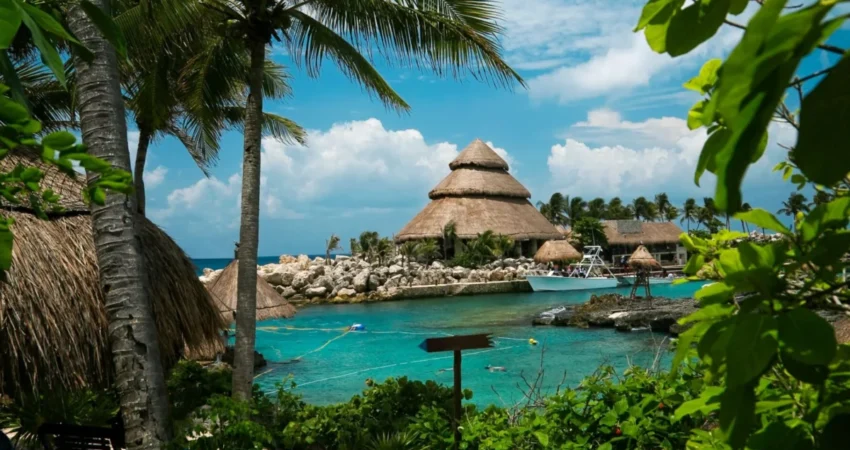
The tourism landscape of the Mexican Caribbean, specifically within the high-traffic corridors of Cancún and the Riviera Maya, has undergone a significant transformation over the last three decades, transitioning from a region defined by traditional beach resorts to one anchored by sophisticated eco-archaeological experiences. At the center of this evolution is Xcaret, a sprawling natural water park and cultural sanctuary that has become a fundamental pillar of the Quintana Roo travel economy. For international travelers and domestic visitors alike, navigating the complex array of seasonal promotions, early-bird incentives, and bundled packages is essential for optimizing the value of what has become one of the world’s most recognized sustainable tourism destinations.
Current market data indicates that Xcaret remains a primary driver for the regional hospitality sector. Beyond its role as a recreational facility, the park serves as a conservation hub where biologists and naturalists manage critical environmental programs. This dual identity as both a high-capacity amusement park and a serious eco-archaeological site provides a unique value proposition for families and first-time travelers seeking a comprehensive overview of Mexico’s cultural and environmental heritage. To maintain its competitive edge in a global market, Xcaret has implemented a series of strategic discount initiatives, including the "Viva Mexico" sale, which currently offers a 20% reduction on park admissions and guided tours through the use of promotional code MEXICO26.
Strategic Financial Planning for Regional Tourism
The economic model of Xcaret is built upon rewarding advanced planning and multi-day engagement. Industry analysts note that the park’s pricing structure is designed to mitigate the volatility of peak season demand by incentivizing early bookings. Travelers who finalize their itineraries 7 to 20 days in advance are eligible for a 10% discount, while those who book 21 days or more prior to their visit receive a 15% reduction. These "Early Bird" discounts are vital for managing the park’s capacity, which sees significant surges during the winter months and the Easter "Semana Santa" period.
Furthermore, the park has introduced a "Build Your Own" package model, which allows visitors to combine two to four different experiences—ranging from the original Xcaret Park to the adventure-focused Xplor or the sensory-driven Xenses—at a 20% discount. This strategy not only increases the average length of stay for tourists in the Playa del Carmen area but also encourages the exploration of diverse ecological niches, such as the underground rivers of the Yucatán Peninsula and the cenotes of Puerto Morelos.
Chronology and Historical Context of Grupo Xcaret
The development of Xcaret is intrinsically linked to the broader history of tourism in the Yucatán Peninsula. The site was originally a Maya port and center of commerce known as Pole. In 1984, architect Miguel Quintana Pali purchased five hectares of land in the Riviera Maya with the initial intention of building a residence. However, upon discovering a network of cenotes and underground rivers, Pali partnered with brothers Oscar, Marcos, and Carlos Constandse to develop a park that would protect the area’s natural beauty while sharing it with the public.
Xcaret officially opened its doors in December 1990. Since its inception, the park has expanded into "Grupo Xcaret," a conglomerate that now includes several specialized parks and tours:
- 1995: Launch of Xel-Há, a natural aquarium and snorkeling site.
- 2009: Opening of Xplor, an adventure park featuring zip-lines and amphibious vehicles.
- 2010: Introduction of the "Xichén" tours to the archaeological site of Chichén Itzá.
- 2013: Launch of Xoximilco, a tribute to the traditional trajineras of Mexico City’s canals.
- 2016: Opening of Xenses, a park dedicated to optical illusions and sensory experiences.
- 2017: Inauguration of Hotel Xcaret Mexico, introducing the "All-Fun Inclusive" concept.
This timeline illustrates a deliberate shift from a single-point attraction to a comprehensive ecosystem of tourism products that cater to various demographics, from adrenaline seekers to cultural historians.
Supporting Data: Economic and Environmental Impact
The impact of Xcaret on the regional economy is quantifiable. According to state tourism reports, the Riviera Maya attracts over 15 million visitors annually, with Grupo Xcaret’s attractions consistently ranking among the top-visited sites. The "All-Fun Inclusive" model pioneered by Hotel Xcaret Mexico—which grants guests unlimited access to all parks—has redefined the luxury all-inclusive market, shifting the focus from on-property dining to regional exploration.
On the environmental front, Xcaret’s biologists lead one of the most successful scarlet macaw reintroduction programs in the world. Since the program’s inception, the population of these birds in the wild has increased significantly across southern Mexico. The park also maintains a major sea turtle hospital and nursery, contributing to the survival rates of Green and Loggerhead turtles in the Caribbean. These initiatives provide the "eco" in the eco-archaeological park, justifying its status as a leader in sustainable development.
Specialized Promotions and Corporate Partnerships
To further penetrate specific market segments, Xcaret has established strategic partnerships with financial institutions. A notable example is the ongoing collaboration with HSBC. Cardholders are currently eligible for unique benefits, such as a second day of "Basic Admission" for free when using the promo code HSBCXC. Additionally, packages combining Xcaret and Xplor can trigger free admission to Xoximilco through the code HSBCSC1. These partnerships reflect a broader trend in the travel industry where financial services and destination management companies align to provide exclusive value to high-spending demographics.
Family-oriented tourism remains a cornerstone of Xcaret’s business model. The "Children’s World" attraction, featuring wading pools and sandboxes, is supported by a permanent discount structure: children aged 5 to 11 receive 25% off the adult ticket price, and those aged 4 and under are admitted free of charge. This tiered pricing ensures that the park remains accessible to multi-generational travel groups, a demographic that accounts for a substantial portion of the Riviera Maya’s annual revenue.
The 3-for-2 Sales Model and Diversification
One of the most aggressive promotional strategies currently employed is the "Three-for-Two" sale. By utilizing the discount code PAQ3XO24, travelers can purchase a bundle of three park admissions for the price of two. This offer is particularly effective for visitors staying in the region for a week or longer, as it provides a structured itinerary that includes diverse experiences:
- Xcaret Plus: A full day of cultural immersion and underground river swimming.
- Xel-Há: An all-inclusive day of snorkeling and water activities.
- Xplor or Xoximilco: An evening of adventure or a night of traditional Mexican celebration.
This bundling strategy is an industry-standard method for increasing "capture rates" within a destination, ensuring that tourist spending remains within a single corporate ecosystem while providing the guest with a variety of distinct experiences.
Official Responses and Consumer Protection
Grupo Xcaret has maintained a policy of price transparency, guaranteeing the lowest rates for those who book directly through their official web portal. This direct-to-consumer approach is designed to reduce the park’s reliance on third-party online travel agencies (OTAs) and to ensure that guests receive the most accurate information regarding park safety protocols and operating hours.
In response to common consumer issues, such as promo code failures at checkout, the organization has streamlined its customer service operations. Technical advice for users includes verifying regional settings, clearing browser caches, and ensuring that no extra spaces are present in the alphanumeric codes. This focus on user experience is a critical component of maintaining high customer satisfaction ratings, which have historically seen Hotel Xcaret Mexico recognized by major travel publications and reader polls.
Broader Impact and Future Implications
The success of the Xcaret model has broader implications for the future of tourism in Mexico. As the federal government continues the development of the Tren Maya (Mayan Train) project, accessibility to the Yucatán Peninsula’s interior is expected to increase. Xcaret’s established infrastructure and promotional expertise position it to act as a gateway for this expanded tourism corridor.
The park’s emphasis on "Mexicanidad"—a celebration of Mexican identity—serves as a soft-power tool, promoting the country’s history and biodiversity to a global audience. As travelers increasingly prioritize sustainability and cultural authenticity, the eco-archaeological model pioneered by Xcaret is likely to be replicated in other biodiverse regions. The ongoing use of targeted promotions and strategic financial incentives ensures that while the park maintains its status as a premium destination, it remains accessible to a broad spectrum of international travelers, thereby securing its role as a cornerstone of the Caribbean tourism economy for the foreseeable future.

0 Comments