
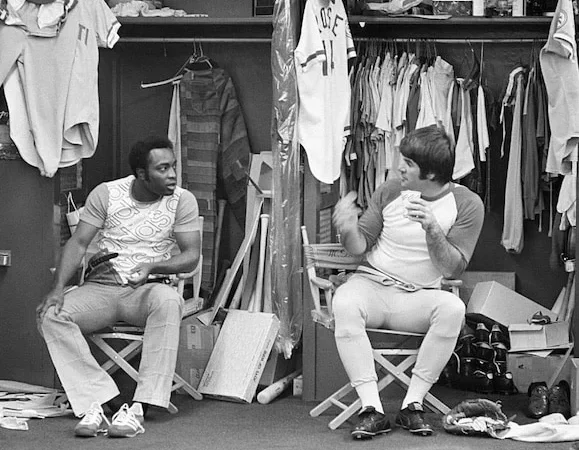
The raglan tee, colloquially recognized by its distinctive contrasting sleeves and athletic associations, represents a unique intersection of military necessity, tailoring innovation, and sporting functionality. Unlike the standard T-shirt, which utilizes a vertical seam at the shoulder, the raglan sleeve is constructed from a single continuous piece of fabric that extends from the collar down to the underarm. This design choice creates a diagonal seam running from the neckline to the armpit, a feature that has defined the garment for nearly two centuries. While often relegated to the realm of casual sportswear or concert merchandise, the raglan tee is rooted in a sophisticated history of functional design intended to solve specific physical limitations.
The Military Genesis: From Waterloo to the Crimea
The origins of the raglan sleeve are found not on a sports field, but on the battlefields of the 19th century. The garment is named after FitzRoy Somerset, the 1st Baron Raglan, whose military career spanned some of the most significant conflicts in British history. During the Battle of Waterloo in 1815, Somerset, then a 26-year-old colonel and aide-de-camp to the Duke of Wellington, suffered a devastating injury. A French musket ball struck his right elbow, necessitating an immediate amputation. Historical accounts suggest Somerset’s stoicism was legendary; as the surgeon removed the limb, Somerset reportedly called out for the arm to be brought back so he could retrieve a ring given to him by his wife.
In the decades following Waterloo, Somerset continued his military service, eventually rising to the rank of Field Marshal and commanding British forces during the Crimean War (1853–1856). However, the traditional military tunics of the era posed a significant challenge for a man with one arm. These garments were characterized by stiff, high-set shoulders and narrow "set-in" sleeves, which made dressing and performing basic movements difficult for Somerset.
To address these limitations, Somerset commissioned John Emary, a master tailor and the founder of the menswear company Aquascutum, to design a coat that offered greater ease of movement. Emary’s solution was to eliminate the restrictive shoulder seam entirely. By extending the sleeve to the neckline, he provided Lord Raglan with a garment that allowed for a greater range of motion, enabling him to mount a horse and wield a sword with his remaining arm more effectively. This innovation, initially known as the "Raglan coat," was later adapted into various forms of outerwear before eventually influencing the construction of lightweight knitwear.
The Athletic Transition: Baseball and the Rise of the Undershirt
While the raglan sleeve began as a solution for a disabled veteran, its functional benefits were quickly recognized by the burgeoning world of organized sports, specifically baseball. By the late 19th and early 20th centuries, baseball was cementing its status as America’s national pastime. The physical mechanics of the sport—specifically the repetitive overhead motions of pitching and the expansive reach required for fielding—demanded apparel that did not bind at the shoulder.
The raglan construction was an ideal fit for the ballplayer’s uniform. Unlike the standard set-in sleeve, which can bunch or pull when the arm is raised, the raglan sleeve provides a seamless transition that accommodates the rotation of the deltoid and rotator cuff. This led to the development of the raglan-sleeved undershirt. These shirts were typically made of breathable cotton and featured "three-quarter" sleeves, which ended mid-forearm. This specific length was practical; it provided warmth and protection for the arms during slides into base without the excess fabric of a full-length sleeve interfering with a player’s grip on the ball or bat.
The visual identity of the "baseball tee" emerged when teams began using contrasting colors for the sleeves. This was not merely an aesthetic choice but a branding one, allowing for team colors to be prominently displayed even on an undershirt. Over time, the garment moved from being a piece of equipment worn under a jersey to a standalone item of casual wear, popularized by youth culture and the televised broadcasting of Major League Baseball.

Cultural Proliferation: From Rock Stars to Cinema
The mid-20th century saw the raglan tee transition from the dugout to the stage. In the 1970s, the garment became synonymous with the burgeoning rock and roll industry. Promoters and bands sought affordable, durable apparel for concert merchandise, and the raglan tee offered a more visually dynamic canvas than a standard white T-shirt. The contrasting sleeves provided a frame for bold graphic prints of band logos and tour dates. Iconic acts such as Led Zeppelin, The Rolling Stones, and AC/DC utilized the raglan tee to create a "uniform" for their fanbases.
The shirt’s status in the cultural zeitgeist was further solidified by its appearance in cinema, most notably in the 1993 film The Sandlot. The character Benny "The Jet" Rodriguez, portrayed as the quintessential American youth athlete, wore a navy and white raglan tee throughout much of the film. This portrayal tapped into a deep-seated nostalgia for mid-century Americana, framing the raglan tee as a symbol of effortless, athletic cool.
Biomechanical and Aesthetic Analysis: Why the Raglan Flatters
From a design perspective, the raglan tee is one of the most effective garments for enhancing the male physique. This is due to the optical effects created by its unique seam placement. In menswear, the "V-taper"—characterized by broad shoulders and a narrow waist—is widely considered the aesthetic ideal. The raglan construction contributes to this silhouette in several ways:
- Shoulder Emphasis: The diagonal seams of a raglan shirt draw the eye upward and outward toward the collarbone and the tips of the shoulders. Because there is no vertical seam to "break" the line of the shoulder, the fabric drapes continuously over the deltoid muscle, making it appear larger and more rounded.
- Waist Narrowing: By visually widening the upper torso, the raglan creates a sharper angle down toward the waist. When the sleeves are a darker color than the body of the shirt, this effect is amplified, as the dark fabric recedes and the lighter torso fabric stands out, emphasizing the chest.
- Anatomical Flexibility: Standard T-shirts often suffer from "shoulder drop," where the seam hangs off the edge of the shoulder if the fit is not perfect. The raglan eliminates this issue. Because it lacks a fixed shoulder point, it conforms to the wearer’s natural frame, making it an excellent choice for men with sloping shoulders or those who find standard shirts too restrictive.
Technical Specifications and Consumer Guidance
For the modern consumer, selecting a raglan tee requires attention to fabric weight and fit. Unlike the heavy wool of Lord Raglan’s original coat, the contemporary tee is typically constructed from cotton or a cotton-poly blend.
- Fabric Weight: A medium-weight jersey (approximately 160–180 GSM) is recommended. This provides enough structure to hold the "V" shape without being so heavy that it loses its drape.
- Fit and Silhouette: A "tailored" or "athletic" fit is preferable. The shirt should sit close to the chest and arms to take advantage of the raglan’s muscle-shaping properties. If the shirt is too baggy, the diagonal seams can droop, resulting in a sloppy appearance that negates the garment’s visual benefits.
- Sleeve Lengths: The three-quarter sleeve remains the classic choice, offering a vintage athletic appeal. However, short-sleeved raglans are increasingly popular for summer wear, while long-sleeved versions serve as effective base layers for autumn and winter.
- Color Theory: The most traditional "colorway" is a heather gray or white body with navy, black, or forest green sleeves. For those looking to minimize a larger midsection, a "reverse raglan"—featuring a dark body with lighter sleeves—can be effective, though it sacrifices some of the shoulder-widening benefits.
Broader Impact and Market Trends
In the current fashion landscape, the raglan tee is benefiting from a broader trend toward "heritage" and "workwear" aesthetics. As consumers move away from fast fashion and toward items with historical significance and durability, the raglan’s military and athletic pedigree makes it a compelling choice. Market data indicates a resurgence in "athleisure" that prioritizes technical construction over purely synthetic materials, placing the cotton raglan tee back at the center of the casual wardrobe.
Furthermore, the raglan design has seen increased adoption in high-end fashion and streetwear. Designers have experimented with luxury materials such as cashmere and silk blends, applying the raglan cut to sweaters and high-fashion sweatshirts. This evolution demonstrates the versatility of Emary’s original 19th-century design; it is a template that transcends fabric and formality.
Conclusion
The raglan tee is more than a relic of the baseball diamond; it is a masterclass in functional tailoring that has survived for over 170 years. From the necessity of a wounded general in the Crimean War to the stages of 1970s stadium rock, the garment has consistently offered a blend of comfort and aesthetic enhancement. By understanding its history and the science behind its fit, the modern man can appreciate the raglan not just as a casual staple, but as a piece of engineering designed to make the wearer look and move better. As menswear continues to cycle through trends, the raglan remains a constant—a testament to the enduring power of a design that solves a problem.

0 Comments