
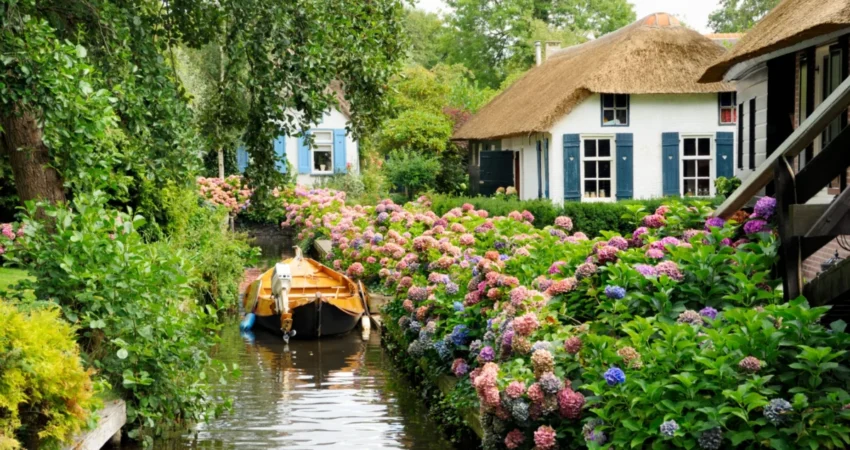
The enduring charm of thatched roof villages, a testament to ancient building techniques, continues to captivate travelers and architects alike, offering picturesque rural retreats that span continents from the verdant landscapes of Chile to the culturally rich shores of Japan. These idyllic settlements, characterized by their distinctive roofs crafted from natural, dried vegetation, represent a harmonious blend of sustainability, resilience, and aesthetic beauty. Far from being mere relics of the past, these villages are vibrant communities that actively preserve a building tradition that has sheltered humanity for millennia, showcasing an architectural legacy that is both practical and profoundly picturesque.

The Enduring Craftsmanship of Thatching
Thatching, one of the oldest known roofing methods, utilizes readily available natural materials such as straw, palm fronds, rushes, or water reeds. The process involves carefully layering these materials to create a waterproof and durable roof. The longevity of a thatched roof is contingent upon several factors, including the type of material used, the quality of craftsmanship, and the local climate. In optimal conditions, a well-maintained thatched roof can last for several decades, with some materials, like water reed, offering a lifespan of up to 60 years, while straw might require renewal every 15 to 20 years.
Beyond their impressive durability, thatched roofs offer remarkable natural insulation. The dense layers of vegetation effectively regulate indoor temperatures, providing a cool refuge during hot summers and retaining warmth throughout the colder months. This inherent thermal efficiency translates into reduced energy consumption for heating and cooling, aligning with contemporary goals for sustainable building practices. Furthermore, the natural composition of thatched roofs makes them inherently resistant to pests and fire, provided proper maintenance and the use of fire-retardant treatments are employed.
A Global Tapestry of Thatched Villages
The tradition of thatching is not confined to a single region; it has evolved and adapted across diverse cultures and environments. This global prevalence underscores the universal appeal and practicality of this ancient building method.
Europe: A Rich Heritage in the United Kingdom and Beyond

The United Kingdom, particularly the Cotswolds region of England, is perhaps most famously associated with thatched cottages. Villages like Lower Slaughter and Bourton-on-the-Water in the Cotswolds offer quintessential English rural scenes, with their honey-colored stone cottages topped with perfectly sculpted thatched roofs. This picturesque imagery has become synonymous with the idyllic English countryside, drawing visitors from around the world. The tradition here is deeply ingrained, with a dedicated community of master thatchers working to maintain these historic structures. The Royal Society for the Protection of Birds (RSPB) has even advocated for the use of thatch in modern eco-friendly building projects, highlighting its sustainable credentials.
Beyond England, thatched roofs can be found in other parts of Europe. In Ireland, particularly in coastal areas, thatched cottages have long been a feature of the landscape. The Aran Islands, for instance, are known for their traditional stone cottages with steeply pitched thatched roofs, designed to withstand the strong Atlantic winds. In parts of Scandinavia, such as Denmark and Sweden, similar roofing techniques were employed, often using straw or reeds.

Asia: Enduring Traditions in Japan and Southeast Asia
Japan boasts a rich history of thatched architecture, most notably exemplified by the gassho-zukuri farmhouses found in the UNESCO World Heritage sites of Shirakawa-go and Gokayama. These unique structures, characterized by their steep, triangular thatched roofs resembling hands in prayer, were designed to withstand heavy snowfall. The meticulous process of re-thatching these large roofs, a communal effort known as yui, is a significant cultural event, typically undertaken every few decades and requiring the combined efforts of the entire community. The sustainability of these structures is remarkable; the roofs, made from locally sourced materials like kaya (a type of pampas grass), provide excellent insulation and ventilation.

In Southeast Asia, particularly in countries like Indonesia and Malaysia, palm fronds are a common material for thatched roofs. These roofs are well-suited to the tropical climate, offering effective protection from heavy rainfall and providing natural cooling. Villages in these regions often feature a distinct architectural style where thatched roofs are integral to the overall design, blending seamlessly with the lush natural surroundings.
The Americas: Echoes of Tradition in Chile and Beyond

Chile, a country with a diverse geography, also showcases examples of thatched architecture. In the southern regions, where abundant rainfall and a cooler climate prevail, thatched roofs made from local grasses and reeds were historically employed. While less common in modern construction, these traditional dwellings can still be found, particularly in rural or historical areas, offering a glimpse into the country’s architectural heritage.
In North America, indigenous communities historically utilized thatch for their dwellings, employing materials like reeds and grasses native to their regions. While many of these traditional structures have been replaced by modern building methods, there are ongoing efforts in some areas to preserve and revive these techniques, recognizing their historical and environmental significance.

Preserving a Living Heritage: Challenges and Innovations
Despite their inherent advantages, the practice of thatching has faced decline in many parts of the world. Modern building materials and construction methods, often perceived as quicker and more cost-effective, have led to a decrease in the number of skilled thatchers. In some regions, building codes and regulations have also posed challenges, with certain modern standards not easily accommodating traditional thatched structures.
However, a growing appreciation for sustainable living, historical preservation, and unique architectural aesthetics is fueling a resurgence of interest in thatching. This renewed enthusiasm is evident in several key areas:

- Master Thatcher Training Programs: Organizations and guilds in countries like the UK and Japan are actively involved in training new generations of thatchers, ensuring the continuation of this specialized craft. These programs often combine theoretical knowledge with extensive hands-on experience, passing down centuries-old techniques.
- Architectural Revival and Modern Applications: Architects and designers are increasingly incorporating thatched roofs into contemporary projects, seeking to blend traditional charm with modern functionality. This includes using thatch in eco-lodges, boutique hotels, and even residential homes, often combined with sustainable building practices.
- Cultural Tourism: The picturesque nature of thatched roof villages makes them significant tourist destinations. This influx of visitors not only provides economic benefits but also raises awareness and appreciation for the preservation of these unique architectural landscapes. Villages like those in the Cotswolds and Shirakawa-go actively promote their heritage, encouraging responsible tourism that supports local communities and the maintenance of their historic buildings.
- Research and Development: Ongoing research focuses on improving the performance and longevity of thatched roofs. This includes exploring new, more durable natural materials, developing advanced fire-retardant treatments, and refining construction techniques to enhance weather resistance. For instance, advancements in water reed harvesting and processing have contributed to longer-lasting roofs in certain regions.
The Future of Thatch: A Sustainable Legacy
The continued existence of thatched roof villages around the globe is a testament to the ingenuity and resilience of traditional building methods. These structures offer more than just visual appeal; they embody a philosophy of living in harmony with nature, utilizing local resources sustainably, and fostering strong community bonds.
As the world increasingly grapples with the environmental challenges of modern construction, the principles behind thatching—natural materials, energy efficiency, and longevity—offer valuable lessons. The preservation of these villages is not merely about safeguarding historical architecture; it is about maintaining a connection to our past while embracing a more sustainable and aesthetically rich future. The gentle curve of a thatched roof, silhouetted against the sky, remains an enduring symbol of a simpler, more grounded way of life, a testament to the enduring power of nature and human craftsmanship. The ongoing efforts to train new thatchers, integrate thatch into modern design, and promote cultural tourism ensure that this ancient art will continue to inspire and shelter for generations to come. The commitment to these practices by communities and heritage organizations worldwide underscores the significant cultural and environmental value embedded within these timeless structures.

0 Comments