
The crisp air of autumn has descended, bringing with it the comforting urge for hearty meals and a renewed interest in the culinary world. This week, the food news landscape has been particularly rich, featuring a highly anticipated television debut, a chef’s foray into fashion, a dramatic community dispute, a significant labor settlement, and a simmering trade dispute impacting a beloved spirit. These diverse narratives, ranging from the high-stakes world of professional baking to the everyday realities of gig economy workers and the complexities of international trade, offer a compelling snapshot of current cultural and economic currents.
The culinary world’s attention was captivated by the premiere of the latest season of The Great British Baking Show, which marked a significant transition with the introduction of Nigella Lawson as a judge. Lawson, a celebrated culinary personality known for her approachable yet sophisticated approach to home cooking, steps into the role previously held by Prue Leith. Her presence is expected to bring a distinct energy to the competition. While Leith was often characterized by her vibrant personality and keen eye for technical execution, Lawson is anticipated to offer a more nuanced perspective, perhaps emphasizing the emotional connection to food and the joy of baking. Her transition from beloved cookbook author and television host to a competition judge is a notable development in the show’s long-standing tradition of culinary mentorship. The show’s format, which has consistently drawn a broad audience, now enters a new era under Lawson’s discerning palate and unique broadcasting style. Early reactions suggest a notable shift in the judging dynamic, with some observers noting a potentially more introspective and perhaps less overtly critical tone compared to her predecessor. The long-term impact of her judging style on the show’s overall narrative and contestant engagement remains to be seen, but her established reputation suggests a continuation of the program’s appeal.
Beyond the television studio, Chef Allison Roman, a prominent figure in the culinary scene, has expanded her brand into the realm of fashion. Known for her distinctive culinary philosophy and entrepreneurial spirit, Roman has partnered with footwear brand Margaux to launch a line of shoes. One particular design has garnered attention for its resemblance to the iconic Dansko clogs, a staple in many professional kitchens. This move into footwear underscores Roman’s broader ambition to integrate her culinary identity into lifestyle products, reflecting a growing trend among chefs and restaurateurs to diversify their brand presence. Her upcoming brick-and-mortar establishment in New York City further solidifies her position as a multifaceted entrepreneur. The intersection of fashion and food, particularly through the lens of practical, chef-inspired wear, highlights a growing appreciation for the functional yet stylish elements of culinary attire.
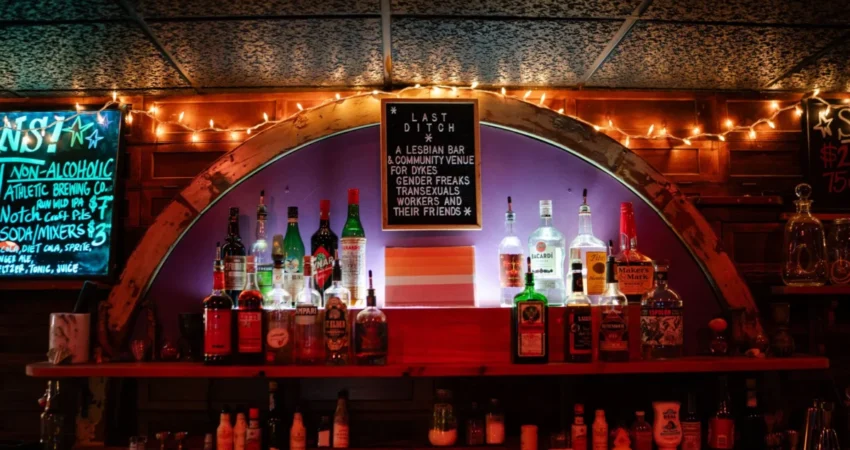
The social fabric of a small Massachusetts town became the unexpected focal point of a national conversation this week, following a dramatic dispute at a lesbian bar named Last Ditch. The bar, a vital community space in Greenfield, Massachusetts, found itself at the center of intense debate after its operator announced a shift in its COVID-19 safety protocols. For an extended period, Last Ditch had maintained a strict mask-optional policy seven nights a week, a stance aligned with many public health recommendations aimed at protecting vulnerable populations. However, in an effort to bolster flagging attendance, the decision was made to implement a mask-optional policy on Saturday nights, a move intended to attract a wider clientele.
The announcement, made via Instagram, triggered a fierce backlash from a segment of the community, particularly those who expressed concerns about the safety of immunocompromised individuals. One commenter’s visceral reaction, stating, "I hope your venue gets firebombed for robbing my fellow immunocompromised people of their Saturday plans just to scrape extra revenue from ablists [sic]," typified the intensity of the ensuing online discourse. This incident escalated to include mediated discussions, revealing the venue’s precarious financial situation, including tens of thousands of dollars in debt. The controversy also drew the attention of conservative media outlets, who have, in some instances, used the situation as a point of contention.
This episode at Last Ditch is not an isolated incident within the LGBTQ+ community. Similar internal conflicts and closures have plagued other queer-centric spaces. For example, Mina’s World, a Philadelphia queer cafe, experienced its own complex dissolution. In Portland, Oregon, Doc Marie’s, a lesbian bar that aimed to be inclusive, shuttered its doors after only a single day of operation, reportedly due to internal discord. These events raise critical questions about the sustainability of LGBTQ+ establishments, which are already facing significant challenges, including a documented trend of increasing closures. The ongoing struggle to maintain these vital community hubs, coupled with internal disagreements, presents a complex dilemma for advocates and patrons alike, prompting reflection on the most effective strategies for supporting and preserving these spaces in the face of societal pressures and economic realities. The debate over safety protocols within these intimate community settings highlights the multifaceted challenges of navigating public health concerns, economic viability, and community inclusivity.
In a significant development for the gig economy, the delivery platform DoorDash has agreed to a substantial settlement totaling $131.5 million. This historic agreement addresses long-standing grievances regarding the compensation of its delivery workers. The company, in a public statement, acknowledged its shortcomings, stating, "We screwed up." The settlement details a multi-pronged distribution of funds. Approximately $12.3 million will be allocated to workers who were underpaid or experienced delayed payments. A more substantial portion, exceeding $83 million, will be distributed to nearly 264,000 delivery workers who were active on the platform during periods between deliveries. In addition to direct payments to workers, DoorDash will also pay $16.7 million in civil penalties.
According to DoorDash’s statement, the median payment for individual workers is estimated to be $48. However, reporting from The New York Times provides a more granular view of the financial impact on specific workers. City officials indicated that approximately 700 workers are owed upwards of $10,000 each, while over 27,000 individuals are due more than $1,000, and more than 4,000 workers are set to receive over $5,000. The Mayor’s office heralded the settlement as the largest of its kind for workers in the city’s history, underscoring the scale of the issue and the significance of the resolution. This settlement represents a landmark acknowledgment of labor practices within the burgeoning delivery service industry and could set a precedent for future labor disputes involving app-based workforces. It highlights the ongoing scrutiny of worker classification and compensation models within the gig economy.
The intricate web of international trade relations has directly impacted a beloved distilled spirit, as a trade war between the United States and Canada escalates. Last year, Canadian provinces implemented a ban on American whiskey, prompting the U.S. administration to retaliate with a 50% tariff on Canadian whisky. This retaliatory measure has now led to a complete ban on Canadian whisky imports into the United States, a move that is set to take effect early next week.
The specifics of the ban, however, include a notable loophole. Whisky imported into the U.S. in bulk and subsequently bottled within the country will not be subject to either the ban or the existing tariff. This provision suggests a strategic effort to mitigate the impact on the broader spirits industry while still exerting pressure. Nevertheless, the volatile nature of trade disputes, characterized by the potential for tariffs to be imposed and revoked with little notice, leaves the future of Canadian whisky imports uncertain. Consumers and industry stakeholders alike remain vigilant, aware that the current landscape could shift rapidly in the coming months. The economic implications of such trade disputes extend beyond immediate price fluctuations, affecting supply chains, producer revenues, and consumer choice across the beverage alcohol sector.
Finally, a seemingly minor social media trend has ignited a widespread debate about professional etiquette: the question of whether bringing an iced coffee to a job interview is appropriate. A viral TikTok video brought this seemingly simple query to the forefront, sparking a vigorous discussion across various online platforms. Commenters weighed in on the potential advantages, disadvantages, and broader implications of such a gesture in a formal interview setting. The debate highlights the evolving norms of professional conduct and the subjective nature of first impressions in the modern workplace. To gain expert insight into this nuanced issue, the article directs readers to a more in-depth analysis by a workplace etiquette specialist, promising a comprehensive exploration of this surprisingly contentious topic. The widespread engagement with this debate underscores a collective interest in navigating the complexities of professional presentation in an increasingly informal digital age.

0 Comments