
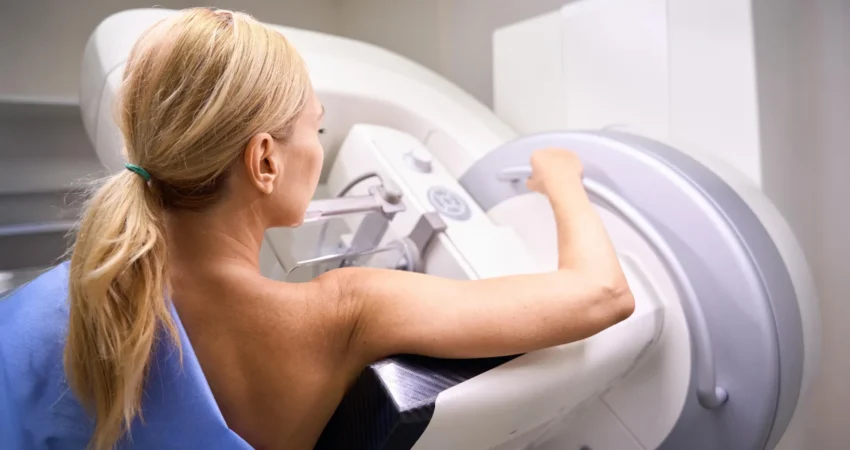
The debate surrounding breast cancer screening has long been complicated by the phenomenon of overdiagnosis, where screening programs identify cancers that would never have progressed to cause symptoms or threaten a woman’s life. For decades, scientific consensus has been fractured, with estimates of overdiagnosis from randomized controlled trials varying dramatically, some suggesting as high as 30-50% of detected cancers. These figures have significantly influenced international discussions about the benefits versus the potential harms of widespread mammography screening. However, a comprehensive new analysis, pooling data from all major randomized trials and comparing it with real-world Danish screening data, suggests these earlier high estimates may have been based on incomplete interpretations of temporal data, potentially overstating the problem. The study indicates that when temporal effects are properly accounted for, the true rate of overdiagnosis may be considerably lower, possibly below 5%.
The Shifting Landscape of Overdiagnosis Estimates
For years, the stark contrast between various studies has fueled uncertainty among both medical professionals and the public. Randomized trials, considered the gold standard for evaluating medical interventions, have yielded widely divergent results. Some seminal studies pointed towards a substantial proportion of detected breast cancers being indolent, meaning they would never have caused clinical problems. This has led to significant international debate, influencing guidelines and public health messaging around mammography.
"The aim of our study was to bring together the evidence from all randomized controlled trials to get a clearer picture of the extent of overdiagnosis in breast cancer screening," stated Professor Sisse Helle Njor of the University of Southern Denmark and Lillebælt Hospital, a lead author on the new research. She elaborated, "Randomized trials have often been cited as evidence that overdiagnosis is a substantial problem. Our study shows that this interpretation is not as straightforward as it may seem."
The research team’s meticulous re-analysis suggests that the patterns of additional breast cancer cases identified in these historical trials closely mirror observations from Denmark’s well-established screening program, where overdiagnosis is currently estimated to be below 5%. This consistency between robust trial data, when interpreted with a nuanced understanding of temporal dynamics, and real-world population data, offers a compelling new perspective.
A Deep Dive into Mammography Trial Data
To achieve this revised understanding, the researchers undertook a comprehensive approach. They combined and reanalyzed the results from all eight major randomized controlled trials of mammography screening conducted globally. Crucially, this extensive dataset was then compared with longitudinal data from Denmark’s national breast cancer screening program.
Denmark provided a unique and valuable real-world reference point. The country’s organized breast cancer screening initiative was rolled out regionally, with some areas beginning screening programs up to 17 years earlier than others. This staggered implementation allowed researchers to observe precisely how breast cancer diagnoses changed immediately following the introduction of screening and how these patterns evolved over extended periods. This temporal element is critical to understanding the true impact of screening, as opposed to simply observing snapshot data.
Professor Emerita Elsebeth Lynge from the Department of Public Health at the University of Copenhagen, another key contributor to the study, explained the significance of this temporal aspect: "When screening is introduced, the number of breast cancer diagnoses initially rises because cancers are detected earlier than they would have been without screening. Over time, this should be followed by a drop, as some of these cancers would otherwise have been diagnosed later. This pattern can also be affected if women in either group continue to undergo screening after the trials had ended, which was common. If researchers do not take these factors into account, the initial increase can be mistaken for overdiagnosis."
By comparing breast cancer incidence at matching points in time in both the randomized trials and Denmark’s routine screening programs, the researchers were able to assess the comparability of these patterns. The similarities observed provided strong evidence for their hypothesis regarding the influence of temporal dynamics on overdiagnosis estimates.
Matejka Rebolj, a Senior Epidemiologist at Queen Mary University of London and a co-author, summarized the findings: "Taken together, we believe some previous high estimates of overdiagnosis, which influenced screening guidelines and communication, were based on evidence before trial data had fully matured. When interpreted in their full temporal context, randomized trial data are consistent with overdiagnosis of less than five percent, rather than with estimates nearing 50%."
Understanding Overdiagnosis: A Nuanced Definition
The concept of overdiagnosis in breast cancer screening refers to the identification of a malignant tumor that, if left undetected by screening, would never have caused symptoms or posed a threat to a woman’s health during her lifetime. In essence, these are cancers that would have remained clinically silent and biologically insignificant. Without the intervention of screening, the woman would have lived her entire life unaware of the presence of such a tumor.
This definition also implicitly includes cases where a woman receives a breast cancer diagnosis shortly before succumbing to another serious health condition or a natural decline in health. In such scenarios, the benefit derived from early detection and treatment of the breast cancer may be minimal, as her limited life expectancy or pre-existing poor health meant that intervention was unlikely to significantly improve her quality of life or extend her lifespan. The focus here is on the potential for screening to lead to medical interventions that offer no meaningful benefit to the individual.
The Critical Role of Timing in Data Interpretation
A fundamental challenge in accurately quantifying overdiagnosis lies in the way screening alters the timeline of cancer detection. Mammography screening, by its very nature, aims to detect cancers at their earliest stages, often before they are palpable or symptomatic. This leads to an initial surge in the number of diagnosed breast cancers immediately following the introduction of a screening program.
However, this early increase does not necessarily represent overdiagnosis. Some of the cancers detected at this stage would have eventually been diagnosed later in a woman’s life, even without screening. As the screening program matures and continues over time, the diagnosis rate for these "later-diagnosed" cancers should theoretically decline, as those cases have been effectively shifted forward in time.
The research highlights that many earlier analyses may have concluded before this subsequent decline became evident. This premature cessation of follow-up could lead researchers to misinterpret the initial rise in diagnoses as a direct indicator of overdiagnosis, rather than recognizing it as a temporal shift. Furthermore, the practice of "unblinding" in some older trials, where women in control groups subsequently received screening, could also distort incidence rates and complicate the accurate estimation of overdiagnosis.
The new analysis explicitly addresses these temporal effects by carefully modeling the expected decline in diagnoses that follows an initial increase. By incorporating this temporal context, the study suggests that the proportion of mammograms that identify cancers destined to be harmless is significantly lower than previously estimated.
Implications for Women and Public Health Policy
The findings of this study carry significant implications for women invited to participate in breast cancer screening programs and for the formulation of public health policies. A clear and accurate understanding of both the benefits and the potential downsides of screening is essential for informed decision-making.
Professor Njor emphasized the reassurance this study offers: "Most women will not develop breast cancer, but with this study we can now be reassured that the benefits of detecting breast cancer early and preventing premature death will outweigh the small risk of unnecessary treatment." This statement underscores the core benefit of screening: reducing mortality from breast cancer.
She continued, "With this in mind, we hope this study will provide a framework for a more realistic interpretation of the evidence and help us better inform women when they are invited for screening." The study aims to equip healthcare providers and public health bodies with more robust data to engage in transparent and evidence-based discussions with women about the merits and limitations of mammography screening.
The study’s methodology involved a rigorous re-examination of existing evidence. It encompassed all eight major randomized controlled trials in the field of mammography screening, including landmark studies such as the New York Health Insurance Plan trial, the Malmö trial, the Two-County trial, the Edinburgh trial, the Canadian National Breast Screening Study, the Stockholm trial, the Gothenburg trial, and the UK Age trial. These trials, conducted over several decades and in diverse populations, represent the cornerstone of evidence for mammography’s efficacy.
The researchers’ focus on three key factors influencing overdiagnosis estimates was crucial:
- Screening Exposure: Accurately accounting for the intensity and duration of screening received by participants in both intervention and control groups throughout the study periods. This includes understanding when screening began and ended for each group.
- Follow-up Duration: Ensuring that the follow-up periods for all trials were sufficiently long to observe the natural evolution of cancer incidence, including any potential decline that would follow an initial increase due to early detection.
- Data Censoring and Competing Risks: Carefully considering instances where participants might have died from other causes before a potential breast cancer diagnosis or treatment could have occurred, thereby impacting the interpretation of incidence rates.
By meticulously adjusting for these variables, the team was able to recalibrate the overdiagnosis estimates derived from these foundational trials. The conclusion that overdiagnosis may be substantially less common than previously suggested provides a more optimistic and balanced view of screening’s overall impact.
Broader Impact and Future Directions
The implications of this research extend beyond academic circles. A more accurate understanding of overdiagnosis can lead to:
- Improved Screening Guidelines: Policymakers can make more informed decisions about the optimal age to start screening, screening intervals, and the overall scope of national screening programs.
- Enhanced Patient Counseling: Healthcare providers can offer women more precise information about the risks and benefits of screening, empowering them to make choices aligned with their personal values and health priorities.
- Reduced Unnecessary Treatments: A clearer picture of overdiagnosis can help mitigate the incidence of unnecessary treatments, such as surgery, radiation, and chemotherapy, for cancers that would never have caused harm. This, in turn, reduces the potential for treatment-related side effects and psychological distress.
- More Efficient Resource Allocation: A better understanding of screening’s true impact can help health systems allocate resources more effectively, focusing on interventions that yield the greatest benefit for the population.
The study also highlights the ongoing need for robust, long-term research in cancer screening. As scientific methodologies evolve and data collection becomes more sophisticated, periodic reassessments of established findings are crucial. The funding for this research, supported by the Novo Nordisk Foundation and Cancer Research UK, underscores the global commitment to advancing our understanding of cancer prevention and early detection.
In conclusion, this comprehensive re-analysis of mammography screening trials offers a significant recalibration of our understanding of overdiagnosis. By meticulously accounting for temporal dynamics and other confounding factors, the research suggests that the benefits of early breast cancer detection in preventing premature death likely outweigh the risks associated with overdiagnosis, a finding that promises to inform both clinical practice and public health messaging for years to come.

0 Comments