
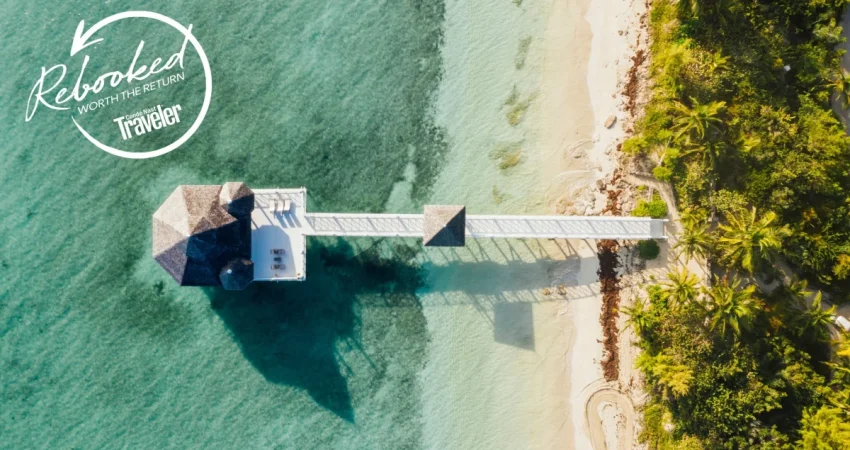
Situated on a 96-acre private barrier island off the eastern coast of Andros, Kamalame Cay represents a significant shift in the Caribbean luxury landscape, moving away from high-density commercial development toward a model of secluded, nature-centric hospitality. While traditional tourism hubs in the region, such as Turks and Caicos, have seen a surge in commercialization and celebrity-driven popularity, Kamalame Cay has maintained a reputation for isolation and environmental stewardship. The property, accessible only by seaplane or a combination of inter-island flights and private ferry, serves as a case study for the "off-the-grid" luxury movement that has gained momentum in the post-pandemic era.
The Strategic Shift Toward Secluded Luxury
The evolution of Caribbean travel has historically followed a pattern of discovery, rapid development, and eventual commercial saturation. For decades, islands like Providenciales in Turks and Caicos were the gold standard for pristine, uncrowded beaches. However, as infrastructure expanded to accommodate mass tourism and luxury brands, the original allure of "undiscovered" territory began to wane for a specific demographic of high-net-worth travelers. This has led to an increased demand for properties that prioritize natural preservation over urban-style amenities.

Kamalame Cay occupies a unique niche in this market. By limiting development to a 96-acre footprint and maintaining a low guest-to-acreage ratio, the resort offers an alternative to the crowded "talcum powder" beaches of more accessible islands. The resort’s philosophy centers on the concept of "barefoot chic," a design and service ethos that emphasizes high-quality materials and personalized attention without the formal pretension often found in five-star European or North American hotels.
Chronology of Development and Modern Relevance
The narrative of Kamalame Cay is deeply intertwined with the broader history of Andros, the largest but least populated island in the Bahamian archipelago. While Andros covers approximately 2,300 square miles, its population remains below 8,000 residents, leaving the vast majority of its landmass as untouched wilderness.
- Early Exploration and Founding: The resort was established in the mid-1990s by the Hew family, who sought to create a destination that reflected the rustic charm of the West Indies.
- Infrastructure Integration: Over the decades, the property expanded its reach by establishing direct transport links. The introduction of the Coco seaplane service from Fort Lauderdale represented a pivotal moment in the resort’s history, allowing guests to bypass the congestion of major international airports.
- The 2023-2024 Expansion: Recent years have seen a focus on diversifying the accommodation portfolio. In May 2023, the resort emphasized its villa offerings, catering to a rise in multi-generational family travel.
- Sustainability Milestones: Throughout its operation, the resort has integrated local environmental features—such as the Andros Barrier Reef—into its core guest experience, fostering a culture of conservation.
Accessibility and the Logistics of Isolation
A primary factor in Kamalame Cay’s exclusivity is its geographic and logistical isolation. Unlike the mega-resorts of Nassau or Paradise Island, which benefit from proximity to Lynden Pindling International Airport, reaching Kamalame requires a multi-stage journey that acts as a natural filter for the type of tourism the island hosts.

Travelers typically choose one of two routes. The first involves flying into Nassau followed by a 10-minute flight to Fresh Creek Airport on Andros, then a short taxi and boat ride. The second, more direct option is the Coco seaplane, which departs from Fort Lauderdale, Florida, and lands directly on the shoreline of the Cay. This logistical complexity is marketed as a feature rather than a hurdle, reinforcing the "Cast Away" aesthetic that defines the property.
Architectural Philosophy and Environmental Integration
The resort’s accommodations include 21 seaside rooms and suites, alongside a collection of private villas capable of housing between four and 12 guests. The architectural approach is intentionally minimalist, utilizing whitewashed woods, linen curtains, and marine-themed accents. This "low-impact" design is intended to let the surrounding environment—characterized by palm-lined paths and a high density of native hermit crabs—remain the focal point.
Unpaved sandy paths and the absence of traditional motorized vehicles (guests are provided with golf carts or Mongoose fat tire bikes) contribute to the feeling of being "marooned." This design choice is not merely aesthetic but functional, reducing the carbon footprint of the resort and preventing the soil compaction associated with paved roads.

Ecological Significance: The Andros Barrier Reef and Blue Holes
Kamalame Cay serves as a gateway to some of the most significant ecological features in the Western Hemisphere. The island of Andros is home to the world’s third-largest barrier reef, which stretches nearly 200 miles along the eastern coast. This reef system is a critical habitat for thousands of species of tropical fish, sea turtles, and stingrays.
Furthermore, Andros boasts the highest concentration of blue holes in the world—sinkholes and cave systems that extend deep into the island’s limestone bedrock. These features provide unique opportunities for advanced divers and researchers. The resort’s integration of these natural wonders into its activity roster—including reef fishing, lionfish spearing (an effort to manage an invasive species), and bonefishing—aligns with a global trend toward "experiential" and "educational" travel.
Gastronomy and Wellness as Economic Drivers
The resort’s culinary and wellness programs are designed to be self-contained, reflecting the necessity of the island’s isolation. Menus are dictated by seasonal availability and local sourcing, featuring Bahamian staples such as seafood salads, ceviche, and crab-stuffed avocado. The focus on "nature’s bounty" reduces the reliance on imported goods, which is a major logistical and environmental challenge for many Caribbean islands.

The overwater spa, which utilizes Osea Malibu products, represents a strategic partnership with a brand known for its seaweed-based, vegan skincare. This choice reinforces the resort’s commitment to marine-centric wellness and sustainable luxury. By positioning the spa over the water, the resort utilizes the natural calming properties of the ocean, further reducing the need for artificial environments.
Broader Impact and Inferred Industry Responses
The success of Kamalame Cay has broader implications for the Bahamian economy and the global hospitality industry. According to data from the Bahamas Ministry of Tourism, there has been a concerted effort to promote the "Out Islands" (islands other than New Providence and Grand Bahama) to diversify the tourism product and prevent over-tourism in urban centers.
Industry analysts suggest that the "Kamalame model" is being studied by developers across the Caribbean. "The shift we are seeing is from conspicuous consumption to meaningful isolation," notes a hypothetical report on Caribbean hospitality trends. "Travelers are increasingly willing to pay a premium for privacy and environmental integrity over traditional markers of luxury like marble lobbies or high-speed urban connectivity."

The resort’s ability to foster a "family-like" atmosphere among staff and guests is also cited as a key factor in its high rate of return visitors. In a sector often criticized for transactional and impersonal service, the gregarious and hospitable nature of the Bahamian staff at Kamalame Cay is viewed as a competitive advantage that cannot be replicated by larger, corporate-owned entities.
Conclusion: The Future of the "Off-the-Grid" Paradigm
As global travel continues to navigate the challenges of climate change and shifting consumer preferences, properties like Kamalame Cay provide a blueprint for a more sustainable future. By valuing the preservation of the Andros Barrier Reef and maintaining a low-density footprint, the resort ensures its long-term viability in an era where natural beauty is becoming an increasingly scarce commodity.
For the traveler, the value proposition of Kamalame Cay lies in the ability to completely detach from the stressors of modern life—a "separation from reality" that is increasingly sought after in a hyper-connected world. Whether bobbing in the waveless turquoise waters or exploring the depths of a blue hole, guests at Kamalame Cay participate in a form of tourism that is as much about conservation and reflection as it is about relaxation. The resort’s continued popularity suggests that for many, the ultimate luxury is not found in what is added to a destination, but in what is carefully and intentionally left out.

0 Comments