
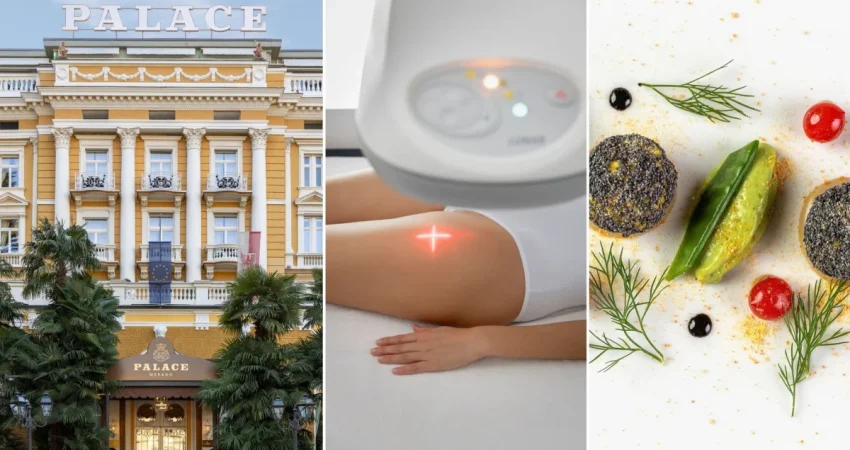
Palace Merano, a premier health destination situated in the South Tyrol region of the Italian Dolomites, has solidified its position as a global leader in the burgeoning field of longevity science and neuro-wellness. Since its inception in 1906, the Belle Époque-style institution has transitioned from a seasonal retreat for European aristocrats into a high-tech medical spa that prioritizes diagnostic rigor over traditional relaxation. Under the scientific direction of Dr. Massimiliano Mayrhofer, a specialist in regenerative medicine, the facility implements the "Revital Method." This protocol is designed to enhance physical and mental performance while systematically slowing the biological markers of aging through a combination of Traditional Chinese Medicine (TCM) and advanced Western diagnostics.
The contemporary wellness landscape has seen a significant shift toward "biohacking" and proactive health management. According to data from the Global Wellness Institute, the wellness tourism market is projected to reach $1.1 trillion by 2025, with a specific surge in demand for medical-grade wellness programs. Palace Merano occupies a unique niche within this market, catering to a dedicated clientele that frequently returns for multi-day detox protocols. A standard four-day program at the facility begins at approximately $3,900, excluding accommodation costs, reflecting the intensive nature of the medical oversight and specialized treatments provided.

Historical Context and the Therapeutic Legacy of Merano
The city of Merano has long been recognized for its therapeutic microclimate. In the 19th century, it became a favored destination for the European elite, including Empress Elisabeth of Austria, who sought the region’s clean air and mineral waters to treat respiratory and nervous conditions. Palace Merano was constructed during this golden era of "Kur" (cure) culture, embodying the architectural grandeur of the turn of the century.
While the aesthetic of the Palace remains rooted in its 1906 origins, the internal operations have evolved to meet modern medical standards. The transition from a traditional spa to a clinical wellness center was catalyzed by the integration of preventative medicine. Today, the facility operates as a sophisticated laboratory where guests undergo a series of assessments to identify toxic accumulation, metabolic inefficiencies, and cognitive decline. The "Revital Method" focuses on cellular detoxification, aiming to reset the body’s internal systems through a strictly monitored environment where common stimulants—such as caffeine, sugar, and alcohol—are entirely absent.
The Chronology of the Revital Protocol
The experience at Palace Merano follows a structured, data-driven timeline. Upon arrival, participants are immediately integrated into a clinical environment that replaces traditional hospitality amenities with diagnostic tools. The standard protocol follows a specific chronological sequence:

Initial Assessment and Medical Clearance
Every participant begins with a comprehensive consultation led by the medical staff. Practitioners, such as Dr. Sabrina Ebner, conduct a review of the guest’s health history and current wellness objectives. This stage involves the creation of a personalized "health diary"—a brown binder that tracks every treatment, lab result, and practitioner observation throughout the stay. Goals often range from general detoxification to specific concerns such as UV damage recovery or metabolic optimization.
Diagnostic Testing and Body Composition
Following the initial consultation, guests undergo technical screenings, including body composition scans. These scans utilize bioelectrical impedance analysis to determine the distribution of muscle mass, bone density, and visceral fat. This data allows nutritionists, such as Dr. Claudia Arganini, to tailor dietary recommendations. Unlike traditional weight-loss programs, the focus here is on "optimization"—ensuring the body maintains a healthy balance of tissues rather than adhering to a specific numerical weight.
The Daily Treatment Cycle
The middle phase of the retreat consists of a rigorous daily schedule. Mornings are typically reserved for "classical" medical wellness treatments, including acupuncture to balance energy flow and specialized massages. The afternoons transition into the "Hydro-Mud Therapy" wing. This specific sequence involves warm baths infused with essential oil blends tailored to the individual’s detox needs, followed by mud applications. A notable feature of this wing is the focus on remineralization; guests are frequently provided with magnesium-potassium elixirs to support electrolyte balance during the intensive sweating process associated with detox.

Neuro-Wellness: Moving Beyond Static Brain Mapping
One of the most significant recent additions to the Palace Merano repertoire is its cognitive division, housed within the sports and recovery lab. As the global population ages, the demand for "brain health" interventions has increased. Statistics from the Alzheimer’s Association indicate that proactive cognitive stimulation and metabolic health can play a role in maintaining neurological function into later life.
At Palace Merano, the approach to neuro-wellness is distinctly active. While some retreats utilize static brain mapping—measuring electrical activity via electrodes while a patient is at rest—the team at Merano argues that this provides an incomplete picture. Alex, a coach at the recovery lab, utilizes an apparatus consisting of blue LED pods that flash numbers and symbols at varying speeds and heights.
This testing measures three critical neurological pillars:

- Memory: The ability to retain and recall sequences under pressure.
- Attention: The capacity to focus on specific stimuli while ignoring distractions.
- Reactivity: The speed of the mind-body connection, often measured in milliseconds.
The objective is to find the "edge" of a participant’s cognitive ability. By forcing the brain into an active state, practitioners can gain a more accurate read of how the brain functions during real-world tasks. Participants are often given remote access to these exercises to continue cognitive training after their departure, emphasizing the facility’s role as an educational center rather than just a temporary retreat.
Nutritional Science and the Detox Menu
Nutrition at Palace Merano is viewed as a pharmacological intervention. The program typically begins with a gentle laxative cleanse and an overnight fast to prepare the digestive system. This is followed by a low-calorie detox menu designed to mobilize and eliminate accumulated toxins.
The culinary philosophy at the Palace is overseen by a team of biologists and chefs who aim to prove that caloric restriction does not necessitate a lack of sensory appeal. The menu features complex flavor profiles—such as sumac couscous with raisins and almonds or nutrient-dense tapioca puddings—designed to satisfy the palate while maintaining a strict caloric deficit.

According to Dr. Claudia Arganini, the nutritional goal is not merely weight loss but the fostering of a "healthy relationship with food." She emphasizes that the numbers on a scale are secondary to the biological efficiency of the body’s systems. The restaurant staff, including the management team, maintains a supportive environment, encouraging guests to communicate their hunger levels while adhering to the therapeutic constraints of the program.
Industry Implications and the Future of Medical Wellness
The success of Palace Merano reflects a broader trend in the luxury travel sector: the rise of "longevity tourism." High-net-worth individuals are increasingly diverting discretionary spending toward services that promise an extension of "healthspan"—the period of life spent in good health—rather than just "lifespan."
The Palace’s model is distinguished by its lack of mandatory spiritual or "New Age" rituals. There are no forced group intention-setting circles or ecstatic dance classes. Instead, the facility offers optional yoga, Pilates, and meditation, allowing guests to maintain a solitary, highly personal journey. This clinical, individualistic approach appeals to a demographic that values efficiency, data, and medical expertise over communal spiritual experiences.

From a public health perspective, the data collected at institutions like Palace Merano provides insights into the impact of intensive, short-term lifestyle interventions on metabolic markers. While the high cost of entry limits access to a specific socioeconomic class, the methodologies developed here—particularly in the realm of neuro-wellness and cellular detox—often trickle down into broader wellness trends and preventative medicine practices.
Analysis of the "Merano Experience"
The effectiveness of the Revital Method lies in its ability to create a controlled environment where the body’s natural detoxification pathways are maximized. By removing the decision fatigue associated with modern life—what to eat, when to exercise, how to manage stress—the Palace allows the nervous system to shift from a "fight or flight" state into a "rest and digest" state, even while undergoing the physical stress of a detox.
The integration of local staff, many of whom have worked at the facility for decades, adds a layer of cultural continuity to the experience. This "human element" serves as a counterbalance to the clinical nature of the diagnostics. The lightheartedness of the staff, as noted by many returning guests, creates a sense of "levity" that makes the rigors of the program more manageable.

In conclusion, Palace Merano represents the intersection of historical luxury and futuristic medicine. As the field of regenerative medicine continues to evolve, the facility’s focus on neuro-wellness and diagnostic precision suggests that the future of wellness lies not in simple relaxation, but in the rigorous, data-backed optimization of the human mind and body. For the participants who flock to the Dolomites each winter, the goal is clear: to leave the Palace not just rested, but biologically renewed and neurologically sharper.

0 Comments