
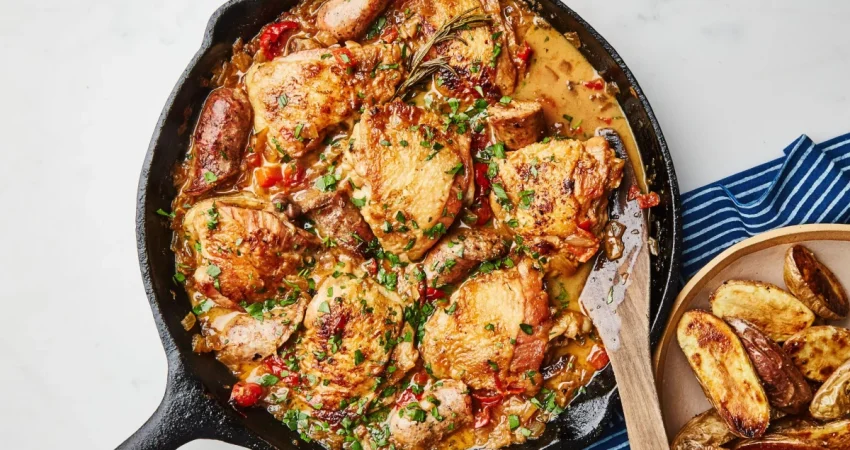
Chicken Scarpariello, a beloved Italian-American classic, offers a compelling symphony of flavors and textures, bringing together succulent, crispy-skinned chicken thighs and savory Italian sausage enveloped in a vibrant, punchy sweet-and-sour pan sauce. This dish, often referred to as "shoemaker’s chicken," derives its signature tang from a harmonious blend of white wine vinegar and the distinctive sweetness of pickled Peppadew peppers. These ingredients, alongside robust aromatics like onions, fresh bell pepper, garlic, and fragrant rosemary, meld with the rich, savory drippings left behind by the perfectly cooked meats, creating a sauce that is both complex and deeply satisfying.
The Genesis of a Classic: Tracing Chicken Scarpariello’s Roots
While the exact origins of Chicken Scarpariello are often debated, its place within the pantheon of Italian-American red sauce cuisine is undeniable. This culinary tradition, deeply rooted in the immigrant experience, emerged from the necessity and resourcefulness of Italian immigrants adapting their native culinary techniques and ingredients to the American landscape. The "red sauce" style, characterized by its slow-cooked tomato-based sauces, often incorporates hearty meats and robust flavors, reflecting a desire to recreate the comforting tastes of home while embracing new culinary possibilities. Chicken Scarpariello, with its unique sweet-and-sour profile and the prominent use of vinegar and peppers, stands as a testament to this evolving culinary heritage, demonstrating how traditional Italian flavors were ingeniously reinterpreted. The name itself, "scarpariello," meaning shoemaker in Italian, hints at a possible origin story where this dish might have been a quick, fortifying meal for laborers, or perhaps a dish prepared by a shoemaker’s family.
The Art of Preparation: Achieving Perfection in Every Bite
The preparation of Chicken Scarpariello is as much an art as it is a culinary endeavor. A key element in achieving its signature textural contrast lies in the cooking of the potatoes. While some traditional recipes incorporate potatoes directly into the pan sauce, a contemporary approach, championed by culinary experts and popular recipe developers, advocates for roasting fingerling potatoes separately. This technique ensures that the potatoes achieve a desirable crispness, providing a delightful textural counterpoint to the tender chicken and the luscious sauce. These perfectly roasted potatoes are then ideal for soaking up every last drop of the vinegary, flavorful pan sauce.
The choice of chicken is equally critical. Bone-in, skin-on chicken thighs are the preferred cut for Chicken Scarpariello. Their inherent fattiness allows them to remain exceptionally juicy throughout the cooking process, even when braised. Furthermore, the skin, when rendered properly, achieves a beautiful golden-brown crispness, adding a delightful textural dimension. The bones contribute significantly to the depth of flavor in the sauce, releasing marrow and collagen as they cook.
The sauce itself is a masterclass in balancing sweet, sour, and savory elements. The base typically includes a sauté of onions and bell peppers, providing a sweet foundation. Garlic adds its pungent aroma and flavor, while rosemary introduces an herbaceous, aromatic complexity. The essential tang comes from white wine vinegar, which cuts through the richness of the chicken and sausage. The pickled Peppadew peppers are a star ingredient, offering a unique combination of sweetness and a mild, pleasant tang. For those seeking a more pronounced heat or a sharper acidic profile, alternatives such as hot cherry peppers or pepperoncini can be substituted, allowing for a personalized culinary experience. The savory drippings from the chicken and sausage are crucial, acting as a flavor enhancer that binds all the components of the sauce together.
A Culinary Demonstration: Expert Insights into Preparation
Insights from culinary professionals underscore the importance of meticulous technique in bringing Chicken Scarpariello to life. For instance, a recent culinary demonstration highlighted the precise searing of the chicken thighs to achieve optimal skin crispness before the braising process begins. This step is crucial for locking in moisture and building a flavorful foundation for the sauce. The demonstration also emphasized the importance of deglazing the pan with white wine, a technique that lifts all the flavorful browned bits from the bottom of the skillet, integrating them into the sauce. The gradual addition of broth and vinegar allows these flavors to meld and develop over time.
The video demonstration, which has garnered significant attention among home cooks and food enthusiasts, provides a visual guide to the entire process, from preparing the ingredients to the final plating. The presenter, a seasoned chef, walks viewers through each step, offering practical tips and explanations for the culinary choices made. This accessible approach has demystified the dish for many, encouraging them to replicate this restaurant-quality meal in their own kitchens. The emphasis on using fresh, high-quality ingredients is a recurring theme, with the chef stressing that the final outcome is directly proportional to the quality of the components.
The Peppadew Factor: A Unique Sweet and Tangy Element
The inclusion of pickled Peppadew peppers is a distinguishing feature of many contemporary Chicken Scarpariello recipes. These small, bright red peppers, native to South Africa, are known for their mild heat and distinctive sweet-tart flavor profile. They are typically preserved in a brine that enhances their natural sweetness while adding a pleasant acidity. In Chicken Scarpariello, they contribute a unique layer of flavor that sets it apart from other sweet-and-sour chicken dishes. Their tender yet firm texture also adds an interesting mouthfeel to the dish.
While Peppadews are increasingly available, their origin and introduction to global cuisine offer a brief glimpse into modern food trends. Their popularity has surged in recent years, driven by their versatility in salads, appetizers, and as a condiment. In the context of Chicken Scarpariello, they act as a sophisticated twist on more traditional pickled peppers, offering a nuanced sweetness that complements the savory elements without overpowering them. The choice to use Peppadews reflects a broader trend in culinary arts towards exploring and integrating diverse global ingredients into established culinary traditions.
Serving Suggestions: A Versatile Dish for Any Occasion
Chicken Scarpariello is a remarkably versatile dish, capable of bridging the gap between casual weeknight comfort food and a more elaborate Sunday supper. Its inherent heartiness makes it a satisfying meal on its own, but it also pairs wonderfully with a variety of accompaniments. The accompanying roasted fingerling potatoes, as mentioned, are a perfect vehicle for the sauce. Other popular choices include crusty Italian bread for dipping, creamy polenta, or a simple side of sautéed greens.
The presentation of Chicken Scarpariello, often served directly from the skillet, adds to its rustic charm and communal appeal. This direct-from-the-kitchen serving style fosters a sense of shared enjoyment and conviviality, making it an ideal centerpiece for family gatherings or dinner parties. The vibrant colors of the peppers, onions, and chicken create an appealing visual display that stimulates the appetite.
Broader Culinary Implications: Italian-American Cuisine’s Enduring Appeal
The enduring popularity of dishes like Chicken Scarpariello speaks volumes about the resilience and adaptability of Italian-American cuisine. This culinary tradition, born out of necessity and shaped by generations of immigrant families, continues to evolve while staying true to its core principles of comfort, flavor, and generosity. As culinary trends shift and global influences become more pronounced, Italian-American food remains a touchstone for many, evoking feelings of nostalgia and belonging.
The way contemporary chefs and home cooks are reinterpreting classic dishes like Chicken Scarpariello, by incorporating new ingredients like Peppadew peppers or refining cooking techniques like separate potato roasting, demonstrates the dynamic nature of food. These adaptations ensure that these beloved dishes remain relevant and exciting for new generations of diners. The success of Chicken Scarpariello lies not just in its deliciousness, but also in its ability to connect people to a rich culinary history and the stories of those who brought these flavors to life. It is a dish that nourishes not only the body but also the spirit, offering a taste of tradition and a promise of shared meals to come.

0 Comments