
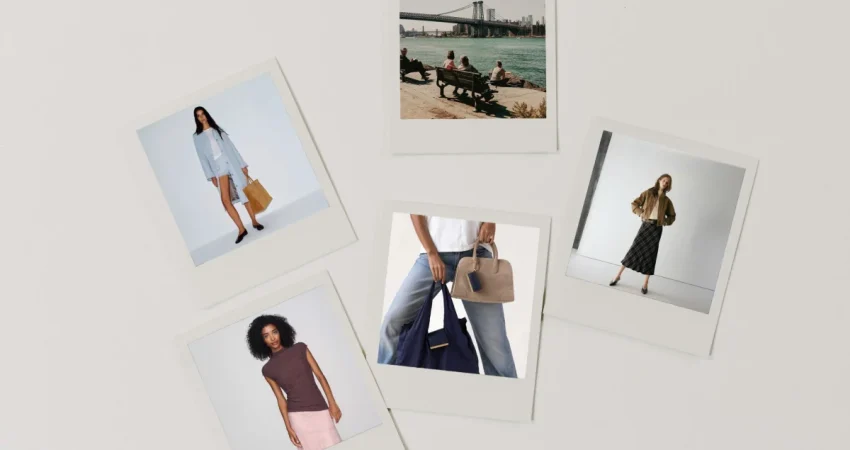
The concept of the "fallcation" has emerged as a dominant trend in the 2024 global travel market, with New York City serving as a primary destination for travelers seeking a balance of temperate weather, cultural events, and seasonal aesthetics. According to recent tourism data, autumn now rivals the traditional summer peak for domestic and international arrivals in the New York metropolitan area. This shift is driven by a desire for the city’s unique fall atmosphere, where the intersection of fashion and urban utility dictates a specific sartorial standard. For the modern traveler, navigating the Big Apple during this transition requires a wardrobe that bridges the gap between timeless New York elegance and contemporary functional trends, such as breathable layering, statement outerwear, and ergonomically designed footwear.
The Economic and Cultural Context of Fall Tourism in New York
New York City’s tourism industry continues to see a robust recovery, with NYC & Company projecting nearly 65 million visitors by the end of the year. The autumn season, specifically from September through November, contributes significantly to the city’s $74 billion annual economic impact from tourism. During this period, the city’s retail and theater sectors experience a notable surge. The "fallcation" trend—a portmanteau of "fall" and "vacation"—describes a growing preference for shoulder-season travel to avoid the extreme heat of summer and the overcrowding of the winter holiday season.
This seasonal shift has a direct influence on the fashion retail market. Local retailers report increased demand for "transitional" pieces—garments that can withstand fluctuating temperatures ranging from 45°F to 65°F. The current seasonal palette focuses on a mix of unassuming color combinations, such as olive greens paired with deep burgundies, and the integration of animal prints as subtle accents rather than dominant themes. As travelers plan their itineraries, the demand for high-performance yet stylish apparel has led to a rise in "capsule wardrobes" specifically curated for the New York urban environment.
Broadway and the Theater District: A Return to Formality
Broadway remains a cornerstone of the New York experience, with the Broadway League reporting that the 2023-2024 season saw attendance figures surpassing 12.3 million. While the official dress code for most theaters has relaxed over the decades, there is a measurable trend toward "spiffy" or "elevated casual" attire, particularly for evening performances. This trend is often linked to the "dinner and a show" tradition, which supports the Midtown hospitality industry.
For productions such as Wicked, Hamilton, and MJ The Musical, the logistical challenge for the traveler is selecting an outfit that is appropriate for a high-end restaurant but comfortable enough for two to three hours of seated viewing. Fashion analysts suggest long-sleeve midi dresses or tailored trousers paired with statement footwear. Notably, the "black cherry" leather trend in footwear—a deep, saturated red—has become a staple for fall 2024. Brands like Dolce Vita and Sancia have seen increased traction by offering pieces that provide aesthetic value without compromising on the comfort required for navigating the crowded sidewalks of the Theater District.
Navigating the Urban Outdoors: Central Park and Public Spaces
Central Park, spanning 843 acres, serves as the city’s primary stage for autumn foliage. For visitors, the park is more than a recreational space; it is a cultural landmark where fashion is often on display. The "Sunday best" tradition, historically captured in landscape paintings of the 19th century, has evolved into a modern "functional chic."
The primary requirement for a Central Park excursion is versatile outerwear. The trench coat remains the definitive garment for this setting, providing protection against the wind while maintaining a professional silhouette. In 2024, there is a move away from traditional beige toward subtle pastels, such as light blue, which offers a fresh contrast to the amber and orange hues of the changing leaves. Underneath, the trend favors wide-leg denim and satin blouses, reflecting a broader industry shift toward relaxed silhouettes that allow for extensive walking. Footwear choices, such as square-toe flats with cushioned soles, have seen a 15% increase in search volume among travelers, highlighting the priority placed on ergonomic design for urban exploration.
Retail Tourism and the SoHo Shopping Experience
SoHo (South of Houston Street) remains one of the world’s premier shopping destinations, characterized by its cast-iron architecture and cobblestone streets. Retail tourism in this neighborhood is a multi-hour commitment, requiring clothing that facilitates frequent changes in dressing rooms. The logistical reality of a SoHo shopping day involves moving between climate-controlled boutiques and the outdoors, making breathable layers essential.
Industry experts recommend a "base layer" consisting of a lightweight, ribbed tee, which prevents overheating during the "try-on marathon." This is often paired with a satin bias-cut skirt or tailored slacks. The use of vegan leather bomber jackets has also increased, as they provide a lightweight alternative to heavy wool coats. A notable "insider" trend among New York shoppers is the use of "keychain totes"—compact, foldable bags that can be clipped to a primary handbag and unfurled to accommodate new purchases. This reflects a growing consumer interest in "stealth utility," where functionality is hidden within a stylish exterior.
The Museum Circuit: Color Theory and Intellectual Style
New York’s cultural institutions, including the Metropolitan Museum of Art, the Museum of Modern Art (MoMA), and the Whitney Museum of American Art, are spaces where fashion often leans toward the avant-garde or intellectually curated. The "museum look" for fall 2024 emphasizes bold color theory. One of the most prominent pairings observed in the galleries this season is olive green matched with deep purple or "radicchio" burgundy.
This palette is described by stylists as "unexpectedly rich," providing a departure from the traditional fall neutrals of black and brown. In these settings, accessories take center stage. Block-heeled shoes are the preferred choice for visitors who must stand on marble or hardwood gallery floors for extended periods. The addition of a pop of color via a shoulder bag—such as a bordeaux or soft pink—serves to break up monochrome outfits, a technique frequently used by local style influencers to navigate the city’s "kaleidoscopic" visual landscape.
The Evening Economy: Dining and Hotel Bar Culture
The New York dining scene and its associated "hotel bar culture" represent the final tier of the fall travel wardrobe. Establishments such as the Lobby Bar at Hotel Chelsea or The Portrait Bar at The Fifth Avenue Hotel demand an aesthetic that is "intentionally cozy yet chic." This sector of the hospitality industry has seen a rise in "staycation" bookings, where locals and visitors alike seek intimate, stylish environments for evening social interactions.
The wardrobe for these settings often centers on the "timeless black midi," a versatile garment that can be dressed up with jewelry or kept understated. For 2024, the "monochrome-plus" look is gaining traction, featuring soft blues or greys layered with different textures, such as a lightweight poncho over a silk camisole. Modern jewelry trends favor "dome huggies" in silver or gold—pieces that are substantial enough to be noticed in low-light environments but subtle enough for daytime wear. Furthermore, the "red lip" remains a staple of New York evening style, with long-wear matte formulas being the preferred choice for a night of cocktails and dining.
Implications for the Fashion and Travel Industries
The demand for specialized "NYC Fall" wardrobes has broader implications for the global fashion and travel industries. First, it underscores the importance of "versatility" in garment design. As travelers face stricter airline luggage weight limits, the ability of a single item—like a black slip dress or a well-tailored trench—to function across multiple settings (from a museum to a dinner reservation) is paramount.
Second, the rise of the "fallcation" supports a more sustainable tourism model. By distributing visitors more evenly throughout the year, the city can mitigate the environmental and logistical strain associated with the traditional summer and winter peaks. For the fashion industry, this translates to a longer "selling window" for transitional garments, reducing the need for aggressive end-of-season markdowns.
In conclusion, dressing for New York City in the fall is a logistical exercise in layering and a cultural exercise in self-expression. By blending timeless staples with current color trends and prioritizing footwear that can withstand miles of concrete, the modern traveler can navigate the city’s various "micro-climates" and social expectations with ease. As the city continues to evolve, its status as a global fashion laboratory ensures that the "New York look" will remain a primary influence on travel wardrobes worldwide.

0 Comments