
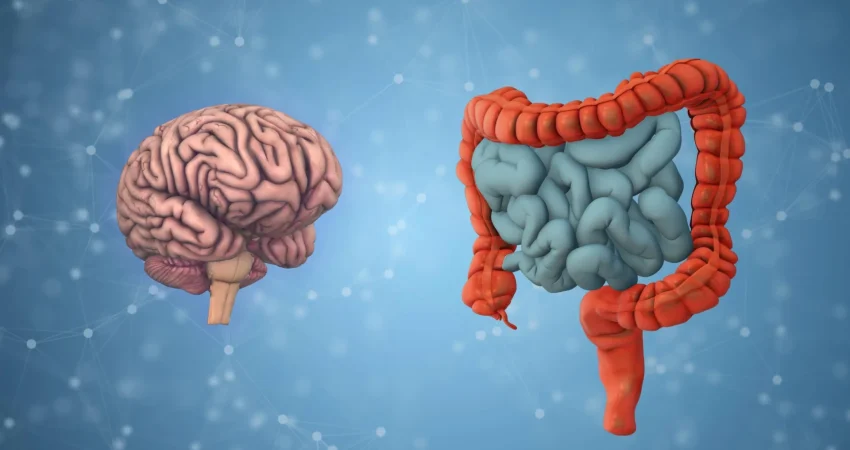
A groundbreaking new study from UCLA Health is shedding light on the intricate relationship between the trillions of bacteria residing in our gut and the aging process of our brain. Published in the esteemed journal eBioMedicine, the research suggests that the pace at which our brain ages may be intrinsically linked to the composition of our gut microbiome and the unique chemical compounds these microorganisms produce. This discovery offers a novel perspective, indicating that subtle biological changes associated with brain aging could be detectable long before any overt symptoms of cognitive decline, such as memory loss or impaired thinking, become apparent.
For years, neuroscientists have utilized advanced brain imaging techniques to estimate an individual’s "brain age," a metric that can significantly diverge from their chronological age. A brain that appears biologically older than its chronological counterpart has been consistently associated with a higher risk of experiencing deficits in memory, diminished cognitive functions, and alterations in mood. However, much of the prior research in this domain has predominantly focused on older adult populations or individuals already diagnosed with neurological conditions. This has left a critical gap in understanding: does a brain that appears "older" have implications for younger, seemingly healthy adults?
Unveiling the Brain Aging Index
The UCLA study sought to address this very question by meticulously examining brain scans from a diverse cohort of nearly 1,500 adults, carefully divided into three distinct study groups. The researchers employed a sophisticated functional Magnetic Resonance Imaging (fMRI) technique. This non-invasive method allows scientists to observe and measure the intricate patterns of communication between different regions of the brain while an individual is in a state of rest. By analyzing these resting-state brain networks, the team was able to develop a computational model. This model was designed to estimate an individual’s brain age based on the observed patterns of neural communication.
The crucial step involved comparing each participant’s estimated brain age with their actual chronological age. The discrepancy between these two figures was quantified and termed the Brain Aging Index (BAI). A positive BAI indicates that a person’s brain appears biologically older than their chronological age, while a negative BAI suggests a brain that appears younger. This index provided researchers with a quantifiable measure to explore the relationship between brain appearance and various health markers.
The Cognitive and Emotional Correlates of an "Older" Brain
The findings across all three study groups were compelling and consistent. Individuals who exhibited a higher Brain Aging Index – meaning their brains appeared older than their chronological age – generally demonstrated poorer performance on standardized tests designed to assess working memory and executive functions. These critical cognitive abilities are fundamental to everyday life, encompassing the capacity to hold information in mind, maintain focus, plan future actions, and organize tasks efficiently.
Furthermore, the study revealed a significant correlation between a higher BAI and an increased self-reported frequency of depressive symptoms. The neural patterns associated with this accelerated brain aging predominantly involved brain regions intrinsically linked to memory formation and retrieval, as well as those involved in self-referential thought. This latter category refers to the complex mental processes we engage in when reflecting on ourselves, our experiences, and our personal narratives. The convergence of these findings suggests that an older-appearing brain is not merely a cosmetic observation but is tied to tangible impacts on cognitive performance and emotional well-being, even in individuals without pre-existing neurological disorders.
The Gut Microbiome: A Surprising Contributor to Brain Aging
In a pivotal aspect of the research, the scientists extended their investigation to one of the study groups by analyzing stool samples. This move was driven by the burgeoning understanding of the gut-brain axis – the bidirectional communication pathway between the gastrointestinal tract and the central nervous system. The researchers hypothesized that differences in brain aging might be intricately connected to variations in the composition and function of the gut microbiome.
Their analysis yielded striking results. A higher Brain Aging Index was found to be significantly associated with the presence of specific gut bacteria. Moreover, the study identified several metabolic byproducts produced by these bacteria that were also linked to accelerated brain aging. These included particular types of fat molecules, a compound related to cholesterol, and notably, lower levels of a hormone known as estetrol. Estetrol is a naturally occurring estrogen that has shown promise in various therapeutic applications, and its reduced presence in individuals with a higher BAI warrants further investigation.
The biological pathways implicated by these identified gut metabolites were diverse and far-reaching. They encompassed critical systems such as the immune system, the intricate mechanisms governing blood vessel function, the complex signaling between brain cells (neuronal communication), and the fundamental cellular processes responsible for energy production. This interconnectedness underscores the profound influence that the gut microbiome can exert on systemic health, including brain health.
Early Detection: Decades Ahead of Symptoms
Dr. Arpana Church, the study’s senior author and co-director of the Goodman-Luskin Microbiome Center at UCLA Health, emphasized the forward-looking implications of these findings. "Brain aging doesn’t suddenly begin when we get older," Dr. Church stated in a press release accompanying the study’s publication. "Instead, the biological signals may be detectable decades earlier. By linking these early brain changes with the gut microbiome and its metabolites, we are beginning to identify pathways that could ultimately help us understand who may be at risk and, importantly, where we might intervene to support healthier brain aging. This ultimately opens the door to exploring whether targeting gut health could one day support healthier brain aging."
Dr. Church’s remarks highlight a paradigm shift in our understanding of brain aging. Rather than viewing it as an inevitable consequence of chronological aging, this research suggests that it is a dynamic process with roots that can be traced back to earlier stages of life. The identification of specific gut-related biomarkers offers the potential for proactive interventions.
Broader Impact and Future Directions
The implications of this UCLA study are far-reaching and could significantly influence the landscape of neurological health research and clinical practice.
Early Risk Identification: The ability to identify individuals at a higher risk of cognitive or mood-related decline much earlier in life is a monumental prospect. Current diagnostic approaches for cognitive impairment often rely on the presence of noticeable symptoms, by which time significant neurological changes may have already occurred. The biomarkers identified in this study could pave the way for predictive screening tools, allowing for timely interventions and lifestyle modifications.
Targeting the Gut Microbiome: The study’s strong link between the gut microbiome and brain aging opens up exciting therapeutic avenues. Rather than solely focusing on the brain itself, future strategies could target the gut to promote healthier brain aging. This could involve dietary interventions, the use of probiotics and prebiotics, or even the development of targeted therapies that modulate specific gut bacteria or their metabolites. The concept of "psychobiotics," a class of probiotics that can influence mental health, might find new applications in the context of brain aging.
Personalized Medicine: As our understanding of the gut-brain axis deepens, it is likely that interventions will become increasingly personalized. Genetic predispositions, individual dietary habits, and unique microbiome profiles can all contribute to varying rates of brain aging. Tailoring interventions based on these individual factors could lead to more effective and efficient strategies for maintaining cognitive health throughout life.
Longitudinal Studies and Causal Links: While this study provides compelling associations, further longitudinal research is crucial to establish definitive causal links. Following cohorts of individuals over decades, monitoring their gut microbiome composition, brain health metrics, and cognitive function, will be essential to solidify these findings. Randomized controlled trials investigating the impact of specific gut-targeted interventions on brain aging markers will also be vital.
Public Health Implications: The findings have significant public health implications. Promoting gut health through accessible means like balanced nutrition and a diverse diet could be a powerful public health strategy for supporting long-term brain vitality. Public awareness campaigns about the gut-brain connection could empower individuals to make informed choices that benefit both their digestive and cognitive well-being.
The Evolution of "Brain Age": The concept of "brain age" itself is evolving. It is no longer viewed as a static indicator but as a dynamic measure influenced by a complex interplay of genetic, environmental, and lifestyle factors. The UCLA study adds another critical layer to this understanding by highlighting the microbiome’s role as a potentially modifiable factor.
A Historical Perspective: The exploration of the gut-brain axis is not entirely new. Ancient medical traditions, particularly in Ayurveda and Traditional Chinese Medicine, recognized the interconnectedness of digestion and overall well-being, including mental clarity. Modern scientific research is now providing the mechanistic underpinnings for these age-old observations, validating the importance of a healthy gut for a healthy mind.
In conclusion, the UCLA study represents a significant step forward in our understanding of brain aging. By revealing the intricate links between the gut microbiome, its metabolites, and the apparent age of the brain, researchers have opened new frontiers in the quest for healthier cognitive aging. The prospect of identifying individuals at risk decades before symptoms manifest and the potential for novel therapeutic strategies targeting the gut microbiome offer a hopeful outlook for preserving brain health and enhancing quality of life for generations to come. This research underscores the profound impact of our internal microbial ecosystem on one of our most vital organs, emphasizing that a healthy gut may indeed be a cornerstone of a healthy brain throughout life.

0 Comments