
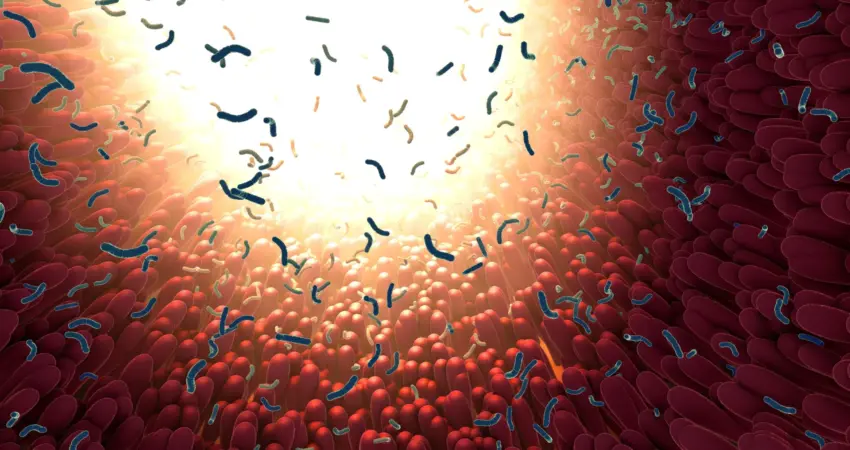
New research suggests a potentially concerning synergy between high sugar intake and antibiotic use, indicating that the common practice of consuming sweets while undergoing antibiotic treatment could significantly exacerbate the disruption of beneficial gut bacteria. This finding, emerging from a comprehensive study involving hospitalized cancer patients, sheds light on the intricate relationship between diet, medication, and the delicate ecosystem within our intestines.
Unpacking the Gut Microbiome and Antibiotic Impact
The human gut microbiome, a complex community of trillions of microorganisms, plays a pivotal role in numerous bodily functions, including nutrient absorption, immune system development and regulation, and even influencing mood and behavior. This ancient symbiosis has co-evolved with humanity, forming an integral part of our overall health. Antibiotics, while indispensable tools in modern medicine for combating bacterial infections, are not selective. They often indiscriminately eliminate both harmful pathogens and the beneficial bacteria that comprise a healthy microbiome. This collateral damage can lead to a reduced diversity of gut microbes, creating an environment where potentially dangerous, antibiotic-resistant bacteria can proliferate. A diverse microbiome is a robust defense against such opportunistic invaders, and its depletion leaves the gut ecosystem vulnerable to dysbiosis, a state of imbalance that can have far-reaching health consequences.
Key Findings: Sugar as a Microbiome Disruptor
The groundbreaking study, published on September 30th in the prestigious journal Nature, meticulously tracked the dietary habits and gut microbiome composition of 173 hospitalized cancer patients, analyzing a staggering 9,419 meals. Researchers from NYU Langone Health, City of Hope, and Memorial Sloan Kettering Cancer Center observed a direct correlation between sugar consumption and the decline in gut bacteria diversity. Specifically, for every additional 100 grams of sugar consumed in the 48 hours preceding antibiotic treatment, there was an observed increase of 21% in the decline of alpha diversity – a crucial metric for measuring the variety of beneficial bacterial species present in the gut.
Beyond diversity loss, the study revealed a more alarming association: sugary diets, when combined with antibiotic therapy, were linked to a significant rise in the prevalence of Enterococcus faecium. This particular bacterial species is notorious for its association with difficult-to-treat infections, often posing a significant challenge in clinical settings, especially for immunocompromised individuals like cancer patients.
Pre-clinical Evidence: Mouse Models Echo Human Findings
To further validate these observations, the research team conducted experiments with mice. Animals administered the antibiotic biapenem while also consuming dietary sucrose exhibited a dramatic increase in their gut Enterococcus population. By the third day of the study, the bacterial burden had escalated by a remarkable 16.3-fold, and by day six, it had surged to an astonishing 33.4-fold higher than baseline levels. These findings in a controlled animal model strongly reinforce the human observational data, suggesting a direct mechanism by which sugar intake can amplify the negative effects of antibiotics on the gut microbiome.
Expert Perspectives: Addressing Unintended Risks
Jonas Schluter, PhD, co-senior author of the study and assistant professor in the Department of Microbiology at NYU Langone, emphasized the importance of understanding these unintended consequences. "As we are learning how collateral damage of antibiotics to the microbiome are linked with long-term health problems, it’s important to identify factors that limit these unintended health risks," Dr. Schluter stated. "Our study, which used more than 9,000 recorded meals, suggests that modifying diet during and after antibiotics, specifically by reducing sweets intake, could help with that."
The researchers hypothesize that the sugar may act as a fuel source for the potentially harmful bacteria that manage to survive antibiotic treatment. These surviving microbes, if provided with readily available sugars, can then rapidly multiply, outcompeting the remaining beneficial bacteria and further disrupting the gut ecosystem.
Rationale Behind Focusing on Blood Cancer Patients
The choice to focus on hospitalized blood cancer patients was strategic. These individuals are frequently prescribed antibiotics as part of their treatment regimens, often due to compromised immune systems that make them susceptible to infections. Furthermore, their close monitoring within a hospital setting allows for precise and detailed recording of food intake at every meal, alongside daily collection of microbiome samples. This combination of granular dietary data and longitudinal biological sampling enabled the researchers to conduct one of the most in-depth investigations of its kind to date.
Marcel van den Brink, MD, PhD, chief physician executive at City of Hope and co-senior study author, highlighted the significance of the microbiome in cancer care. "The microbiome is emerging as an important factor in cancer care," Dr. van den Brink explained. "For patients undergoing intensive treatments such as bone marrow transplantation, the healthy diversity of the gut microbiome can have important implications for outcomes. Studies like this help us better understand how everyday factors, including diet, may affect a delicate balance that influences how patients respond to treatment, recover, and experience side effects."
Patients undergoing intensive cancer therapies, such as stem cell transplants, often endure lengthy hospital stays characterized by chemotherapy and antibiotic treatments. During these critical periods, both their dietary intake and the composition of their gut microbiomes undergo profound transformations. In such a vulnerable state, the proliferation of pathogenic species like Enterococcus faecium becomes a significant concern, particularly when the broader microbial community has been severely diminished.
Implications for Cancer Outcomes and Future Research
Jonathan Peled, co-senior author and associate director of the Center for Hematological Malignancies at Memorial Sloan Kettering Cancer Center, underscored the link between microbiome integrity and patient prognosis. "Especially in blood cancer patients, microbiome injury is associated with worse outcomes, including higher overall mortality and infections," Dr. Peled noted. "An important next step will be to design clinical trials to test whether short-term dietary changes can improve clinical outcomes in patients."
The precise mechanism by which sugar exacerbates microbiome disruption is still being elucidated. Researchers propose that dietary sugars might serve as a readily available nutrient source for the antibiotic-resistant bacteria that survive treatment, allowing them to expand their populations. William Jogia, a PhD student in Dr. Schluter’s lab and second author of the study, elaborated, "The new work identifies dietary sugars as an amplifier of antibiotic-induced microbiome disruption, probably because the potentially harmful bacteria that survive the antibiotics are benefiting from the dietary sugars that they can use to expand. While the findings suggest that reducing simple sugars may limit microbiome injury, whether sugar directly supports Enterococcus, weakens competing bacteria, or acts through another mechanism in patients remains to be seen."
While these findings strongly suggest that reducing simple sugar intake during and immediately after antibiotic treatment could potentially mitigate microbiome damage, the researchers emphasize the need for further investigation. Future studies will aim to pinpoint the exact molecular pathways through which sugar exerts its influence and to definitively determine whether dietary interventions can translate into improved clinical outcomes for patients.
Broader Public Health Significance
The implications of this research extend beyond the realm of cancer patients. Antibiotic resistance is a growing global health crisis, and understanding factors that contribute to the proliferation of antibiotic-resistant bacteria is paramount. If dietary sugar intake can indeed amplify the negative consequences of antibiotic use on the microbiome, then public health recommendations regarding sugar consumption may need to be re-evaluated, particularly in the context of antibiotic treatment. This study serves as a critical reminder that seemingly simple dietary choices can have profound and complex interactions with medical interventions, underscoring the importance of a holistic approach to health and well-being.
Study Authorship and Collaborative Efforts
This extensive research was a collaborative effort involving a multitude of scientists and clinicians from leading institutions. Key contributors from NYU Langone Health’s Department of Microbiology and Institute for Systems Genetics included Caichen Duan, Chenzhen Zhang, Fanny Matheis, and Alexis Sullivan, alongside co-senior author Dr. Jonas Schluter and second author William Jogia.
At Memorial Sloan Kettering Cancer Center, the Adult Bone Marrow Transplantation Service, Department of Medicine, and various other departments contributed significantly. Co-senior author Jonathan Peled led efforts alongside co-first authors Anqi Dai and Annamaria Ballweg, with substantial contributions from Madhumitha Rangesa, Peter Adintori, Mirae Baichoo, Nicholas Waters, Abrielle Swartz, Sukanya Sahu, Brianna Gipson, Sandeep Raj, Zoe Pierce, Kenton Wu, Justin Neuberger, Adam Warren, Marissa Lubin Buchan, Ana Gradissimo, Luigi Amoretti, Annelie Clurman, Daniel Brereton, Paul Giardina, Miguel-Angel Perales, and Sergio Giralt. Contributions also came from Teng Fei (Department of Epidemiology and Biostatistics), Oriana Miltiadous (Department of Pediatrics), Tatanisha Peets (Food and Nutrition Services), and Marina Burgos da Silva (Human Oncology & Pathogenesis Program).
Further collaborators included Tyler Funnell, Natalie Smith, John Slingerland, Antonio Gomes, and Robert Jenq from the Department of Hematology and Hematopoietic Cell Transplantation at City of Hope National Medical Center. Eiko Hayase from the University of Texas MD Anderson Cancer Center, Corrado Zuanelli Brambilla from Azienda Ospedaliera Universitaria Senese in Italy, Abigail Johnson and Dan Knights from the University of Minnesota, and Kate Markey from Fred Hutchinson Cancer Center also played vital roles in the study.
Funding and Declarations
The research was supported by a comprehensive array of grants from the National Institutes of Health, including K08HL143189, P30 CA008748, P01CA023766, R35CA284024, DP2AI164318, R01CA269617, P30CA008748, R01-CA228358, R01-CA228308, F31-CA261086, P30 CA008748, P01-CA023766, R01-HL123340, R01-HL147584, and P01-AG052359. Additional support was provided by the Gabrielle’s Angel Foundation, a Helen Hay Whitney postdoctoral fellowship, the Starr Cancer Consortium, The Tri-Institutional Stem Cell Initiative, the Lymphoma Foundation, the Susan and Peter Solomon Divisional Genomics Program, Cycle for Survival, the Parker Institute for Cancer Immunotherapy, the American Society of Clinical Oncology Young Investigator Award, a Hyundai Hope on Wheels Young Investigator Award, a Tow Center for Developmental Oncology Career Development Award, and an AIRC fellowship for Abroad.
Dr. Schluter has disclosed intellectual property applications related to the microbiome (reference numbers #63/299,607) and serves on an advisory board and holds equity in Jona Health. He is also a cofounder of Postbiotics Plus Research. These relationships are being managed in accordance with NYU Langone Health’s policies.

0 Comments