
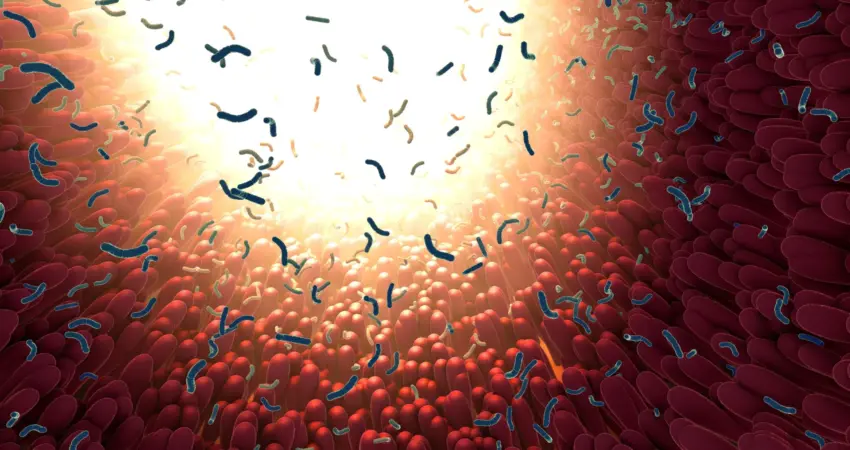
New research indicates that increased sugar intake while undergoing antibiotic treatment may exacerbate the disruption antibiotics cause to beneficial gut bacteria. This finding, stemming from a comprehensive study involving hospitalized cancer patients, sheds light on the complex interplay between diet, medication, and the human microbiome, with potential implications for patient recovery and long-term health.
Unpacking the Gut Microbiome: A Crucial Ecosystem
The human gut microbiome, a vast and intricate community of microorganisms, plays a pivotal role in numerous bodily functions, including digestion, nutrient absorption, immune system development and regulation, and even the synthesis of essential vitamins. This symbiotic relationship has evolved over millennia, with the beneficial bacteria forming a robust defense against invading pathogens and maintaining overall intestinal health. A diverse and balanced microbiome is generally considered a hallmark of good health, capable of resisting the overgrowth of harmful bacteria.
However, antibiotics, while indispensable for combating bacterial infections, are not always precise. These powerful medications can indiscriminately kill both harmful and beneficial bacteria, leading to a significant reduction in microbial diversity. This disruption can leave the gut ecosystem vulnerable, creating an environment where opportunistic pathogens, previously kept in check by the healthy microbial community, can proliferate. This imbalance, known as dysbiosis, has been linked to a range of health issues, from gastrointestinal disorders to more systemic conditions.
The Sweet Spot for Harm: Sugar’s Role in Microbiome Disruption
The groundbreaking study, conducted by researchers from NYU Langone Health, City of Hope, and Memorial Sloan Kettering Cancer Center, meticulously tracked the dietary habits and gut microbiome composition of 173 hospitalized cancer patients. Over a significant period, researchers collected data on 9,419 meals, creating an unprecedented dataset for analyzing the relationship between specific dietary components and microbial shifts.
The findings, published in the prestigious journal Nature, revealed a concerning correlation: for every additional 100 grams of sugar consumed in the 48 hours preceding antibiotic treatment, there was a corresponding 21% decline in alpha diversity. Alpha diversity is a key metric used by scientists to measure the variety of different beneficial bacterial species within a microbial community. A decrease in alpha diversity signifies a less robust and less resilient microbiome.
Furthermore, the research highlighted a particularly alarming association between sugary diets, antibiotic use, and the proliferation of Enterococcus faecium. This specific bacterial species has been implicated in challenging-to-treat infections, often exhibiting resistance to common antibiotics. The study’s findings suggest that a high-sugar diet, in conjunction with antibiotic therapy, creates an environment conducive to the overgrowth of this potentially dangerous bacterium.
Preclinical Evidence: Mouse Models Echo Human Findings
To further investigate these observations, the research team conducted experiments with laboratory mice. Animals exposed to the antibiotic biapenem while fed a diet supplemented with sucrose (a common dietary sugar) exhibited a dramatic increase in their gut Enterococcus populations. By the third day of the study, these populations had increased 16.3-fold, and by the sixth day, this figure had escalated to a staggering 33.4-fold. This consistent pattern across both human and animal models strongly supports the hypothesis that dietary sugar acts as a significant amplifier of antibiotic-induced microbiome damage.
Understanding the Mechanism: Sugar as a Fuel for Harmful Bacteria
The researchers propose a plausible mechanism for this phenomenon. Antibiotics, by decimating the broader microbial community, create a vacuum. Potentially harmful bacteria that manage to survive the antibiotic onslaught may then find a readily available and abundant energy source in dietary sugars. This readily accessible fuel allows these resilient pathogens to multiply rapidly, outcompeting any remaining beneficial bacteria and leading to a more severe dysbiosis.
"As we are learning how collateral damage of antibiotics to the microbiome are linked with long-term health problems, it’s important to identify factors that limit these unintended health risks," stated Jonas Schluter, PhD, co-senior author of the study and assistant professor in the Department of Microbiology at NYU Langone. "Our study, which used more than 9,000 recorded meals, suggests that modifying diet during and after antibiotics, specifically by reducing sweets intake, could help with that."
The Rationale Behind Studying Cancer Patients
The choice to focus on hospitalized cancer patients was strategic. This demographic frequently requires antibiotic treatment due to compromised immune systems and the invasive nature of their therapies. Moreover, their dietary intake can be closely monitored and meticulously recorded during hospitalization, providing an ideal setting for a detailed dietary and microbiome analysis.
"The microbiome is emerging as an important factor in cancer care," explained co-senior study author Marcel van den Brink, MD, PhD, chief physician executive at City of Hope. "For patients undergoing intensive treatments such as bone marrow transplantation, the healthy diversity of the gut microbiome can have important implications for outcomes. Studies like this help us better understand how everyday factors, including diet, may affect a delicate balance that influences how patients respond to treatment, recover, and experience side effects."
Patients undergoing intensive cancer treatments, such as bone marrow transplantation, often experience prolonged hospital stays involving chemotherapy and antibiotic regimens. During these critical periods, both their diet and their gut microbiome can undergo profound and rapid transformations. The study’s detailed dietary records, coupled with daily biological sampling, positioned it as one of the most comprehensive investigations of its kind to date.
The Gut-Cancer Connection: Amplifying Vulnerabilities
For patients with blood cancers, particularly those undergoing stem cell transplants, the integrity of their gut microbiome is of paramount importance. A severely disrupted microbiome can lead to a cascade of negative consequences, including an increased susceptibility to infections and potentially poorer treatment outcomes. In these immunocompromised individuals, the "destruction" of the microbial ecosystem by antibiotics can create fertile ground for the unchecked growth of pathogens like Enterococcus faecium.
"Especially in blood cancer patients, microbiome injury is associated with worse outcomes, including higher overall mortality and infections," emphasized Jonathan Peled, co-senior author on the study and associate director of the Center for Hematological Malignancies at Memorial Sloan Kettering Cancer Center. "An important next step will be to design clinical trials to test whether short-term dietary changes can improve clinical outcomes in patients."
Broader Implications: Beyond Cancer Care
While the study’s focus was on cancer patients, the implications of these findings extend to a much wider population. Antibiotics are among the most frequently prescribed medications globally, meaning that a significant portion of the population experiences some degree of antibiotic-induced microbiome disruption. The discovery that simple dietary sugars can amplify this damage raises important questions about general public health recommendations.
The researchers acknowledge that further investigation is needed to fully elucidate the precise mechanisms by which sugar exerts its effect. It remains to be determined whether sugar directly fuels the growth of specific harmful bacteria like Enterococcus, actively weakens competing beneficial bacteria, or operates through other complex interactions within the gut ecosystem.
"The new work identifies dietary sugars as an amplifier of antibiotic-induced microbiome disruption, probably because the potentially harmful bacteria that survive the antibiotics are benefiting from the dietary sugars that they can use to expand," explained study second author William Jogia, a PhD student in Dr. Schluter’s lab. "While the findings suggest that reducing simple sugars may limit microbiome injury, whether sugar directly supports Enterococcus, weakens competing bacteria, or acts through another mechanism in patients remains to be seen."
Despite these remaining questions, the study’s findings strongly suggest that reducing the intake of simple sugars during and immediately after antibiotic treatment could be a valuable strategy for mitigating microbiome damage. This could potentially translate to improved recovery times, reduced risk of secondary infections, and better overall health outcomes for individuals undergoing antibiotic therapy.
Future Directions: Clinical Trials and Dietary Interventions
The researchers are eager to translate these findings into actionable clinical strategies. The logical next step involves designing and conducting clinical trials to rigorously test whether short-term dietary modifications, specifically focusing on sugar reduction, can indeed lead to improved clinical outcomes in patients receiving antibiotics. Such trials would provide definitive evidence for the efficacy of dietary interventions in managing antibiotic-induced microbiome dysbiosis.
The comprehensive nature of this study, encompassing thousands of meals and detailed microbiome sampling, marks a significant advancement in our understanding of the intricate relationship between diet, medication, and gut health. As the field of microbiome research continues to expand, findings like these underscore the profound impact that everyday dietary choices can have on our internal microbial ecosystems and, consequently, on our overall well-being.
The study was supported by numerous grants from the National Institutes of Health, as well as funding from various foundations and institutions dedicated to cancer research and patient care. The collaborative effort involved a large team of scientists, clinicians, and researchers from multiple leading institutions, highlighting the complexity and dedication required for such extensive scientific endeavors. The authors have also disclosed relevant financial interests and intellectual property applications, adhering to ethical guidelines for scientific research.

0 Comments