
The global travel industry has undergone a seismic shift over the last decade, transitioning from a focus on passive sightseeing to a demand for immersive, expert-led engagements known as experiential travel. At the forefront of this movement is Airbnb Experiences, a platform that has redefined how travelers interact with their destinations by connecting them with local experts, historians, and artisans. While traditional tourism often relies on standardized itineraries, these curated experiences—ranging from tracking urban wildlife in Seattle to exploring the clandestine history of the New York City mafia—aim to provide a level of cultural immersion that was previously inaccessible to the average tourist. As the "experience economy" continues to grow, the criteria for what constitutes a high-quality tour have become increasingly stringent, with top-rated offerings now requiring a blend of specialized knowledge, high-level hospitality, and unique access.
The Evolution of Experiential Travel: A Chronological Overview
The concept of Airbnb Experiences was officially launched in November 2016 as part of a broader company initiative called "Trips." This move marked Airbnb’s transition from a peer-to-peer lodging platform to a holistic travel brand. Initially debuting with 500 experiences in 12 cities, the platform sought to capitalize on the growing desire among millennials and Gen Z travelers for "authenticity" over commercialized tourism.
By 2018, the platform had expanded to over 1,000 cities worldwide, diversifying into categories such as social impact, concerts, and multi-day adventures. However, the trajectory of the service was significantly altered by the COVID-19 pandemic in 2020. With global travel at a standstill, Airbnb pivoted to "Online Experiences," allowing hosts to monetize their skills—such as cooking classes or virtual history tours—through digital platforms. This period served as a critical testing ground for host quality and content engagement.
As international borders reopened in 2022 and 2023, the demand for in-person experiences surged, but with a newfound emphasis on quality control. The "hit or miss" nature of early peer-to-peer tours led Airbnb to implement more rigorous vetting processes. Today, the most successful experiences are those that maintain a rating of 4.9 or higher and are led by "Superhosts" who demonstrate a consistent track record of excellence. The current landscape is characterized by "hyper-localism," where the value of an experience is directly tied to the host’s specific expertise and the exclusivity of the activity.
Data and Performance Metrics in the Experience Economy
The growth of the tours and activities sector is supported by robust economic data. According to market research by Grand View Research, the global leisure travel market was valued at approximately $1.2 trillion in 2022 and is expected to expand at a compound annual growth rate (CAGR) of 5.6% through 2030. Within this, the "tours and activities" segment is the third-largest part of the travel industry.
Airbnb’s internal metrics suggest that high-quality experiences significantly drive platform loyalty. Data indicates that guests who book an experience are more likely to return to the platform for future lodging. To maintain this ecosystem, the platform utilizes a sophisticated rating system. Experiences that fall below a certain threshold are often removed or deprioritized by the search algorithm. For a listing to be considered among the "best," it typically requires:
- A minimum average rating of 4.9 out of 5 stars.
- High "Expertise Scores," often verified by professional credentials (e.g., pastry chef certifications or published authorship).
- Unique Value Propositions (UVPs) that cannot be replicated by traditional tour operators.
- High engagement in guest reviews, specifically mentioning the host’s storytelling ability and depth of knowledge.
Niche Tourism: From Organized Crime to Urban Ecology
The diversification of Airbnb Experiences has allowed for the rise of niche tourism, which targets specific intellectual or recreational interests. Two prominent examples of this are the historical tours of New York City’s underworld and the ecological study of urban wildlife in the Pacific Northwest.
In New York City, retired detectives and investigative historians lead tours focusing on the history of the Five Families and the city’s complex relationship with the mafia. Unlike standard walking tours, these experiences often utilize primary source materials, including surveillance photos and court transcripts, to provide a factual narrative of the mid-20th-century criminal landscape. This "dark tourism" segment appeals to travelers seeking a gritty, unvarnished look at a city’s past, moving beyond the polished facades of Times Square or Central Park.
Conversely, in Seattle, Washington, the focus shifts to urban ecology. The "urban beaver" tracking experience exemplifies the trend of "conservation tourism." Led by environmentalists, these tours educate participants on how North America’s largest rodents have adapted to metropolitan environments. This type of experience serves a dual purpose: providing recreation for the traveler and raising awareness for local conservation efforts. By observing manatees in Silver Springs, Florida, or tracking beavers in Washington, travelers contribute to a model of tourism that prioritizes environmental stewardship and scientific literacy.
The ‘Skillcation’ Trend and the Professionalization of Hosting
A significant subset of the best-performing Airbnb Experiences is centered on "skillcations"—travel opportunities designed to teach the guest a new hobby or craft. This trend reflects a shift in consumer behavior where leisure time is increasingly viewed as an opportunity for self-improvement.
The professionalization of these hosts is a key differentiator. While early iterations of the platform featured amateur hobbyists, the current "best-of" lists are dominated by industry professionals. For example, pastry classes are often led by chefs with Michelin-star backgrounds, and photography tours are hosted by award-winning photojournalists.
This professionalization has several implications:
- Higher Price Points: Guests are willing to pay a premium for direct access to experts.
- Quality Assurance: Professional hosts are better equipped to handle the logistical challenges of group management and specialized instruction.
- Educational Value: The experience moves from being a simple "activity" to a structured educational session, often providing guests with tangible outputs, such as a handmade product or a new technical skill.
Economic Impact and Local Implications
The proliferation of expert-led experiences has a profound impact on local economies. By empowering individual experts to monetize their knowledge, Airbnb has created a micro-entrepreneurial class. In many cities, these experiences provide a critical secondary income for artists, historians, and educators whose primary professions may be undervalued in the traditional labor market.
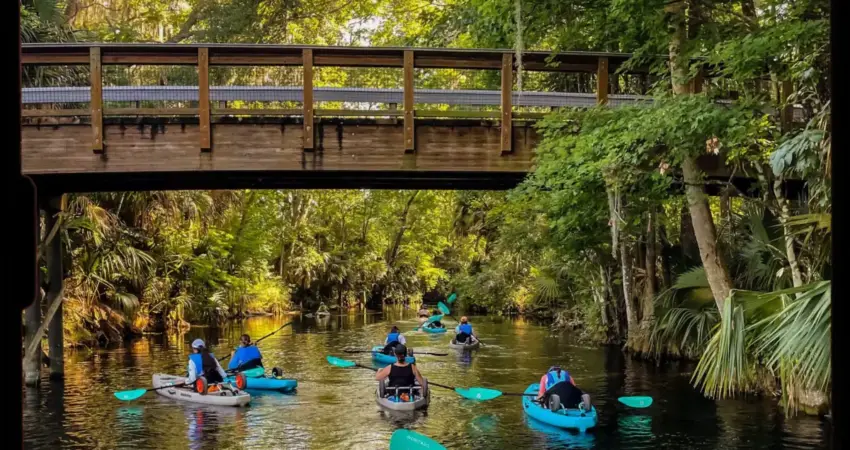
However, the impact is not without its complexities. The influx of tourists into residential or ecologically sensitive areas requires careful management. In Silver Springs, Florida, the popularity of manatee kayaking tours has necessitated strict adherence to wildlife protection protocols to ensure that human interaction does not disrupt the natural behavior of the endangered marine mammals.
From a logistical standpoint, local governments are increasingly looking at how to regulate these "informal" tours. While traditional tour bus companies are subject to specific zoning and licensing laws, individual Airbnb hosts often operate in a regulatory gray area. As the platform matures, the integration of these experiences into official city tourism strategies is becoming more common, with tourism boards recognizing that "authentic" local experiences are a primary draw for high-spending international visitors.
Safety, Risk Management, and the Future of the Platform
Despite the high ratings of top-tier experiences, the inherent "hit or miss" risk of peer-to-peer services remains a focal point for the industry. Risks range from the trivial—such as a comedy-led hike to the Hollywood sign where the "comics" fail to deliver humor—to the significant, such as physical safety during wildlife encounters or navigation in dense urban environments.
To mitigate these risks, Airbnb has implemented insurance policies for hosts and a robust reporting system for guests. The future of the platform likely involves the integration of Augmented Reality (AR) to enhance historical tours and a deeper focus on "Social Impact Experiences," where 100% of the proceeds go to local non-profits.
Furthermore, the industry is seeing a move toward "regenerative tourism." This goes a step beyond sustainability, aiming to leave a destination better than it was found. Experiences that involve citizen science, such as water quality testing during a kayak tour or trail maintenance during a hike, are expected to gain traction among environmentally conscious travelers.
Conclusion: The New Standard for Global Exploration
The shift toward expert-led, hyper-local Airbnb Experiences represents a permanent change in the global travel hierarchy. As travelers become more sophisticated, the demand for "Instagrammable" moments is being eclipsed by a desire for genuine intellectual and emotional connection to a place. Whether it is through the lens of a retired detective in New York or a pastry chef in a local kitchen, these experiences offer a window into the soul of a city that traditional tourism cannot provide.
The success of the 11 experiences highlighted by Condé Nast Traveler—all maintaining scores above 4.9—underscores a broader truth: in the modern age of travel, the most valuable souvenir is not a physical object, but a specialized piece of knowledge or a newly acquired skill. As the platform continues to evolve, the boundary between "tourist" and "local" will continue to blur, driven by the expertise of hosts who transform a simple trip into a profound learning experience. Through rigorous standards, professional expertise, and a commitment to unique storytelling, the "best" Airbnb Experiences are setting a new global standard for what it means to truly see the world.

0 Comments