
 By Eva Lovia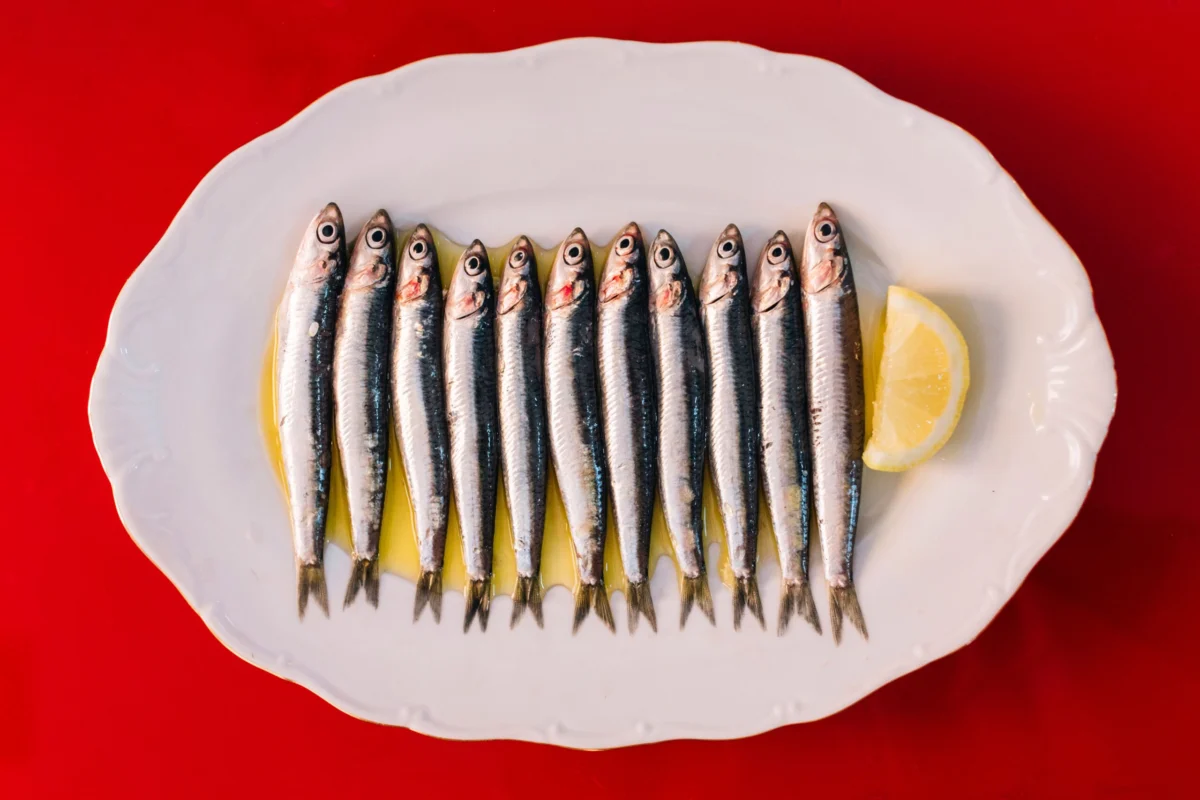
The global food landscape is currently witnessing a significant shift in consumer preference as the humble sardine, once relegated to the back of the pantry, emerges as a centerpiece of modern nutritional discourse and culinary trends. Often packaged in vibrant, aesthetically pleasing tins that appeal to a younger, health-conscious demographic, these small forage fish have transcended their status as a budget staple to become a recognized powerhouse of functional nutrition. This resurgence is driven not only by a growing interest in convenient, high-protein foods but also by a deeper understanding of the "SMASH" group—an acronym for sardines, mackerel, anchovies, salmon, and herring—which represents a category of oily fish uniquely positioned to support systemic health and dermatological vitality.
The modern appeal of sardines is rooted in their dense nutritional profile, which offers a rare combination of high-quality protein, essential fatty acids, and a suite of micronutrients that are often lacking in the standard Western diet. As nutritionists and dermatologists increasingly emphasize the link between gut health, systemic inflammation, and skin appearance, the sardine has been identified as a "skin-supporting powerhouse." However, for those who find the taste or texture of tinned fish unappealing, the nutritional science behind these benefits offers a roadmap for identifying alternative food sources that provide similar physiological advantages.
The Evolution of the Tinned Fish Market: A Chronological Perspective
The journey of the sardine from a 19th-century military ration to a 21st-century "superfood" reflects broader changes in global food technology and consumer values. In the early 1800s, the development of canning technology was primarily driven by the need to provide portable, non-perishable protein to soldiers. By the mid-20th century, sardines were a common household item, valued for their affordability and long shelf life. However, as fresh produce and processed convenience foods became more accessible, tinned fish saw a decline in social status, often associated with austerity.
The turning point occurred in the late 2010s and early 2020s, driven by several converging factors. First, the "Mediterranean Diet" consistently ranked as the healthiest eating pattern in clinical studies, placing a heavy emphasis on oily fish. Second, the rise of "conservas" culture—premium tinned seafood from Spain and Portugal—rebranded tinned fish as a gourmet experience. Finally, the COVID-19 pandemic accelerated interest in pantry-stable proteins that did not sacrifice nutritional integrity. By 2023, social media platforms like TikTok saw the emergence of "tinned fish date nights," turning a solitary snack into a social phenomenon. Market analysis reports now indicate that the global canned seafood market is projected to grow at a compound annual growth rate (CAGR) of over 4% through 2030, with premium, sustainably sourced sardines leading the sector.
Decoding the SMASH Profile: Nutrient Density and Bioavailability
The nutritional superiority of the SMASH fish group, and sardines in particular, is defined by their high concentration of Omega-3 fatty acids, specifically eicosapentaenoic acid (EPA) and docosahexaenoic acid (DHA). Unlike plant-based Omega-3s (ALA) found in flaxseeds or walnuts, the EPA and DHA found in sardines are highly bioavailable, meaning the body can utilize them immediately without the need for complex metabolic conversion.
Data from the USDA National Nutrient Database reveals that a single 3.75-ounce can of sardines contains approximately 22 grams of protein and over 1,500 milligrams of Omega-3s. These fatty acids are critical for reducing systemic inflammation, which is a primary driver of chronic conditions such as cardiovascular disease and rheumatoid arthritis. Furthermore, because sardines are typically consumed with their soft, edible bones, they serve as one of the few non-dairy sources of highly absorbable calcium. A single serving can provide up to 35% of the Daily Value (DV) for calcium, alongside significant amounts of Vitamin D, which is essential for bone mineralization and immune modulation.
Kirsten Humphreys, a nutritionist at the UK-based supplement brand Bare Biology, notes that the nutrient density of sardines makes them an efficient food source. "They provide high-quality protein and, because you often eat the small bones, they’re also a good source of calcium," Humphreys explains. The inclusion of selenium and Vitamin D further rounds out the profile, creating a synergistic effect that supports both internal organ function and external tissue health.
The Dermatological Connection: Strengthening the Skin Barrier
The relationship between sardine consumption and skin health is primarily mediated through the reduction of oxidative stress and the reinforcement of the skin’s lipid barrier. The skin barrier, or stratum corneum, acts as the body’s first line of defense against environmental aggressors. When this barrier is compromised, it leads to increased transepidermal water loss (TEWL), resulting in dryness, irritation, and a heightened susceptibility to inflammatory conditions like eczema and psoriasis.
Omega-3 fatty acids are integral components of the cell membranes in the skin. By incorporating these fats into the diet, individuals can help maintain the fluidity and integrity of these membranes. This leads to a more resilient skin surface that retains moisture more effectively. Furthermore, the anti-inflammatory properties of EPA and DHA help to "calm" the skin from the inside out, reducing the redness and swelling associated with acne and other inflammatory dermatoses.
Selenium, another key micronutrient found in sardines, plays a pivotal role in protecting the skin from oxidative damage. As a constituent of glutathione peroxidase, an antioxidant enzyme, selenium helps neutralize free radicals generated by UV exposure and pollution. This protection is vital for preventing the premature breakdown of collagen and elastin, the proteins responsible for skin elasticity and firmness.
Nutritional Alternatives for the Sardine-Averse
Recognizing that the strong flavor profile of sardines is not universal in its appeal, nutritionists have identified several alternatives that replicate specific facets of the sardine’s nutritional profile. These alternatives allow individuals to customize their diets while still achieving the desired health and beauty outcomes.
Brazil Nuts: The Selenium Powerhouse
For those seeking the antioxidant benefits of selenium without the fish, Brazil nuts are the most potent plant-based source available. "Did you know that one to three Brazil nuts is enough to fill your daily selenium quota?" Humphreys points out. Selenium is essential not just for skin health, but for the thyroid gland, which regulates metabolism. However, experts caution against overconsumption; because of their high concentration, eating too many Brazil nuts daily can lead to selenium toxicity, making a "less is more" approach necessary.
Eggs: Vitamin D and Bioavailable Protein
Eggs are often described as "nature’s multivitamin." They provide a source of Vitamin D, which is notoriously difficult to obtain from food alone. Vitamin D is crucial for skin cell metabolism and repair. Additionally, the protein in eggs contains all nine essential amino acids, providing the building blocks for collagen synthesis.
Oysters: Zinc and Wound Healing
Oysters are the premier dietary source of zinc, a mineral that is fundamental to skin repair and immune function. "Oysters are high in zinc, a mineral that plays an important role in skin health and repair, wound healing, and immunity," says Humphreys. Zinc acts as a co-factor for DNA polymerase, the enzyme responsible for cell division, making it indispensable for the constant regeneration of skin cells.
Extra Virgin Olive Oil: Monounsaturated Fats and Vitamin E
The inclusion of Extra Virgin Olive Oil (EVOO) in the diet provides monounsaturated fats that support metabolic health. According to Humphreys, these fats help maintain stable blood sugar levels, which is a critical factor in managing hormonal acne. EVOO is also rich in Vitamin E, a fat-soluble antioxidant that works in tandem with Vitamin C to protect skin cells from lipid peroxidation. While some wellness trends advocate for taking "shots" of olive oil, Humphreys suggests a more balanced approach by incorporating it into daily meals to ensure consistent absorption without digestive distress.
Broader Impact: Sustainability and Food Security
Beyond individual health benefits, the rise of sardine consumption has significant implications for global environmental sustainability. Sardines are situated at the lower end of the food chain, meaning they require fewer resources to thrive and have a lower environmental footprint compared to larger predatory fish like tuna or swordfish.
From a toxicological perspective, smaller fish like those in the SMASH group have shorter lifespans, which results in a significantly lower accumulation of heavy metals like mercury and polychlorinated biphenyls (PCBs). This makes them a safer choice for long-term, frequent consumption, particularly for pregnant women and young children who are more vulnerable to neurotoxicants.
Furthermore, the affordability of sardines—even within the premium "conservas" market—presents a viable solution for food security. As the cost of fresh animal protein continues to rise globally, tinned sardines offer a nutrient-dense, shelf-stable alternative that minimizes food waste. The environmental organization Seafood Watch generally classifies Pacific sardines as a "Best Choice" or "Good Alternative," depending on the specific fishery management practices, further cementing their status as a responsible dietary choice.
Conclusion: The Future of Functional Eating
The "moment" sardines are currently having is likely more than a passing trend; it represents a maturation of the consumer’s understanding of functional food. By viewing food as a tool for both internal health and external aesthetics, the modern consumer is rediscovering the value of traditional, nutrient-dense staples. Whether through the direct consumption of SMASH fish or the strategic use of alternatives like Brazil nuts and oysters, the focus remains on high-quality fats, essential minerals, and potent antioxidants.
As the lines between the beauty and wellness industries continue to blur, the sardine serves as a case study in how simple, whole-food interventions can compete with complex topical treatments. The ongoing research into the "gut-skin axis" suggests that the future of skincare may not just be found in a bottle of serum, but in the very tins and staples found in the kitchen pantry. For the sardine-averse and the sardine-lover alike, the message from the nutritional community is clear: systemic health is the foundation of dermatological beauty, and the tools to achieve it are more accessible than ever before.