
 By Ali Ikhwan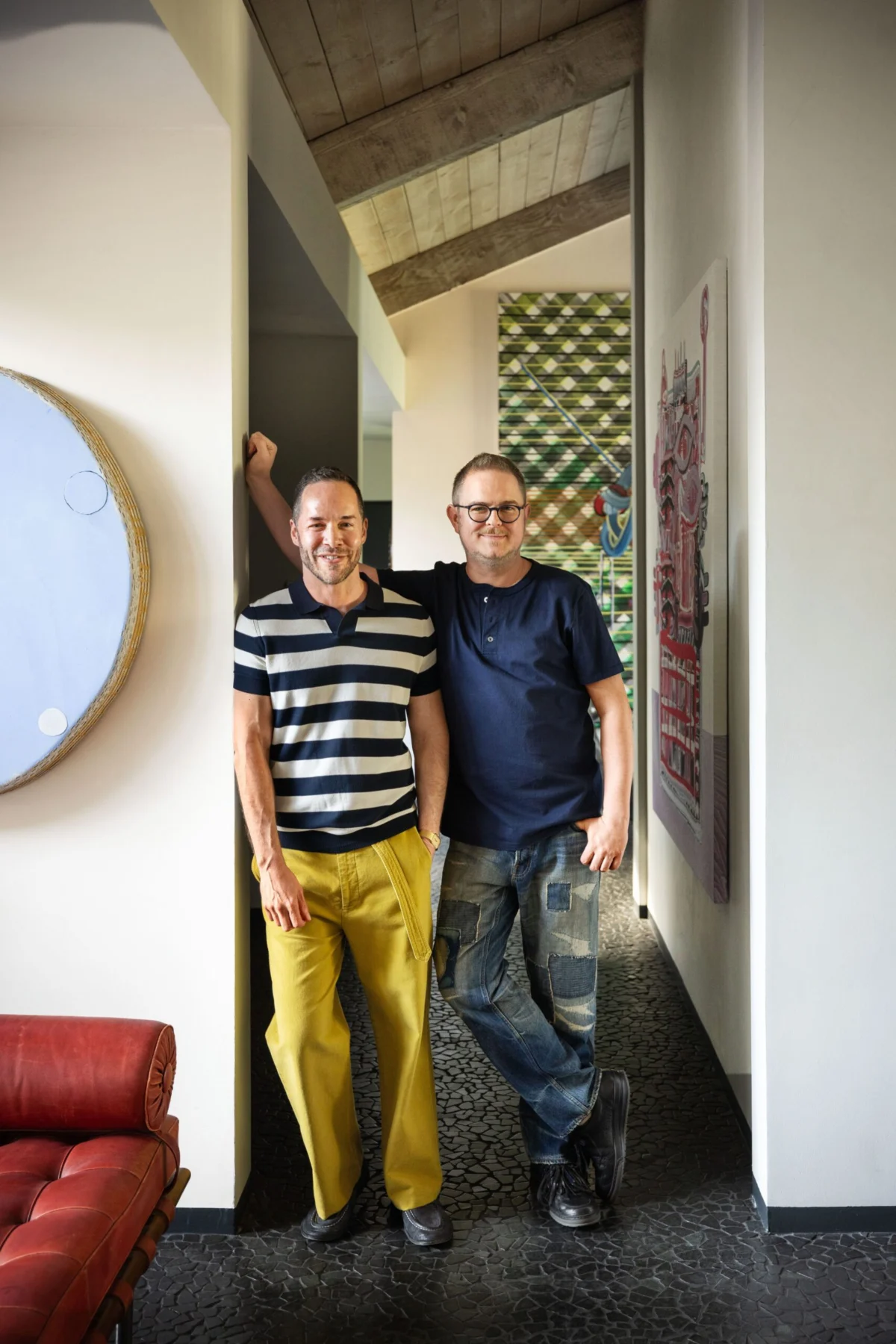
In a masterful interplay of intuition and meticulous study, AD100 designer Ryan Lawson has transformed a midcentury Rancho Mirage residence into a captivating Southern California getaway for himself and Sean Robins, cofounder of the esteemed furniture showroom Studio Van Den Akker. The creative journey, described by Lawson as a “chain of choices,” began with the acquisition of the desert property, whose precise architectural origins remain a charming mystery, lost to time and a past fire that consumed town records. Despite the house not being in its original vintage state, its inherent appeal—a serene lakeside proximity, soaring angled ceilings adorned with handsome beams and wood planks—provided a potent foundation for Lawson’s vision.

The distinctive quality of the existing beams, which seemed to emanate a soft glow rather than harshly reflect light, became a pivotal inspiration for the couple’s desert sanctuary. Lawson explains, “The sun here can be so harsh. Harnessing that light, minimizing its glare and directness, is an important thing.” This guiding principle has sculpted the home into an environment defined by nuanced gradations of shine and shadow. The interiors are a testament to this philosophy, featuring chalky limewash-painted walls, cabinetry with a subtle satin finish, strategic use of stone, glazed tilework, and ceramic fireplace surrounds. These varied textures and finishes breathe life into the dwelling’s planes and angles. Expansive windows, some newly added and others enlarged, serve as living frames for the surrounding landscape of trees, plantings, and water, their views further softened and dappled by the elegant two-inch bands of aluminum blinds.
The Genesis of a Desert Retreat
The decision to purchase the Rancho Mirage property marked the beginning of an extensive renovation and design process. While the exact architect of the original structure remains elusive, its midcentury roots offered a desirable architectural vernacular for Lawson and Robins. The home, built sometime in the mid-20th century, presented an opportunity to blend historical charm with contemporary design sensibilities. Lawson, known for his meticulous approach, emphasized the organic progression of design decisions. "One decision leads to the next set of decisions, and then those, once they’re made, lead to the next," he articulated, underscoring the thoughtful, step-by-step evolution of the project.

The couple’s shared passion for art and design, coupled with their professional involvement in the industry—Robins as a furniture showroom cofounder and Lawson as a celebrated designer—meant that the home would naturally become a showcase for their discerning tastes and a testing ground for future ventures. The renovation aimed not only to enhance the aesthetic appeal but also to optimize the functionality of the space for their lifestyle, which often includes entertaining guests.
A Symphony of Light and Texture
Lawson’s fascination with light and its interplay with surfaces is evident throughout the residence. The strategy to soften the intense desert sun is reflected in the material palette. Walls treated with limewash create a diffused, matte finish, while cabinetry in a satin sheen offers a subtle gleam. The judicious incorporation of natural stone, glazed tiles, and ceramic elements adds depth and tactile interest, preventing the interiors from feeling monolithic. These choices contribute to an atmosphere that is both serene and sophisticated, perfectly attuned to the desert environment.

The expansion and refinement of the window treatments underscore this commitment to controlling light. The broad windows, thoughtfully integrated into the design, offer sweeping views of the meticulously curated landscape. The aluminum blinds, with their distinctive two-inch bands, provide an effective means of modulating sunlight, casting a gentle, dappled glow that enhances the interior ambiance. This deliberate manipulation of natural light is a hallmark of Lawson’s design philosophy, particularly in sun-drenched locales.
Architectural Adaptations and Functional Flow
A significant aspect of the renovation involved reconfiguring the home’s layout to better suit the couple’s desire for open-plan living and casual entertaining. The formerly separate dining room, kitchen, and family room were unified into a single, expansive space. This ambitious undertaking involved introducing new ceiling beams that not only provided structural support but also harmonized with the original architectural elements, creating a sense of continuity and grandeur.

Perhaps the most striking transformation is evident in the flooring. The original wall-to-wall carpeting, which Lawson recalls with a sigh of dismay ("even in the bathrooms!"), was replaced with expansive sections of sliced black river stones. These polished stones, with their subtly variegated surfaces, evoke the natural textures of the desert landscape—reminiscent of elephant skin or the cracked earth of a dry lake bed. This grounding element provides a robust yet visually compelling foundation for the curated vignettes of art and furniture that populate the space.
A Curated Collection of Art and Design
The desert retreat serves as a personal gallery for Lawson and Robins, featuring a thoughtfully assembled collection of artworks and design pieces, many sourced from artisans and makers with whom they have a close relationship. This approach not only supports the creative community but also imbues the home with a unique narrative and personal resonance.

The project also functioned as a crucial laboratory for the couple’s own design initiatives. Upholstered beds conceived for the home’s bedrooms have since evolved into prototypes for Lawson’s upcoming furniture collection, "Very Ryan Lawson." Similarly, bespoke shelving designed for the kitchen and bar, along with a distinctive mirror for the guest bath, have been added to the offerings at Studio Van Den Akker, demonstrating the symbiotic relationship between their personal and professional lives.
Notable Design Elements and Art Acquisitions
The living area is a testament to the art of subtle layering. A vintage sofa is artfully paired with a Ligne Roset armchair and an Ado Chale coffee table, creating a comfortable and stylish seating arrangement. The artistic vision extends to the walls, with works by Matthew Brandt and Michael Boyd contributing to the room’s sophisticated aesthetic.

In the dining area, Moustache chairs encircle a striking Dirk Van der Kooij table, illuminated by chandeliers designed by Pierre Szekely. The space is further enhanced by artwork from José Lerma, adding a vibrant focal point.
The primary bath is a study in luxurious materiality. Book-matched slabs of green marble and flooring of meticulously sliced river stones create a dramatic backdrop for a Kaldewei soaking tub. This bold use of natural materials elevates the everyday experience of the space.

The kitchen showcases the functional elegance of Studio Van Den Akker shelving, which flanks a commanding stone hood. The inclusion of a Bluestar range underscores the couple’s commitment to high-quality, professional-grade appliances. Artworks by Michel Anasse, Annabel Auger, and Studio Van Den Akker itself contribute to the culinary space’s artistic dimension.
The primary suite offers a serene escape, adorned with vintage French folding screens that lend an air of timeless elegance. A prototype bed from Lawson’s “Very Ryan Lawson” collection anchors the room, complemented by 1970s table lamps by Tim Orr and a compelling painting by Frederic Anderson.

Guest rooms also feature curated selections. One guest room showcases a Ron Gorchov painting above a pair of vintage cowhide ottomans, creating a cozy and eclectic seating area. Another guest room displays a Pamela Jorden painting above a custom bed upholstered in Maharam fabric, highlighting the interplay of color and texture. In a separate guest area, Enzo Catellani floor lamps, resembling organic sculptures, flank a painting by Robert Moreland, while artwork by Françoise-Xavier Lalanne adds a touch of whimsical artistry. The foyer greets visitors with a Juan Uslé painting positioned above an Alma Allen sculpture, setting an immediate tone of refined artistic appreciation.
A Legacy of Place and Personal Expression
The choice of Rancho Mirage was deeply personal for Robins, who had fond childhood memories of the area. Lawson, too, had developed an appreciation for the region’s rich modernist architectural heritage and its distinctive natural beauty. This shared connection to the locale informed the design, aiming to create a home that not only reflects their personal style but also honors the spirit of its surroundings.

"We’ve tried to make a setting for our lives," Lawson states, reflecting on the project’s ultimate purpose. "A place to be able to live with the things we love." The residence is conceived as a dynamic entity, intended to evolve and adapt over time while remaining deeply rooted in its heritage and the unique character of its desert environment. The result is a home that is both a sanctuary and a statement—a beautiful, unique expression of its owners and their enduring connection to place.
The transformation of this midcentury home in Rancho Mirage stands as a compelling example of how thoughtful design, informed by both intuitive artistry and rigorous planning, can create spaces that are not only aesthetically striking but also deeply personal and enduringly relevant. The residence is a testament to Lawson and Robins’ shared vision, a harmonious blend of art, design, and the captivating allure of the desert landscape.

Publication Note: This article appears in the April issue of Architectural Digest. For continued coverage of exceptional design and architecture, please consider subscribing.