
 By Joko Widodo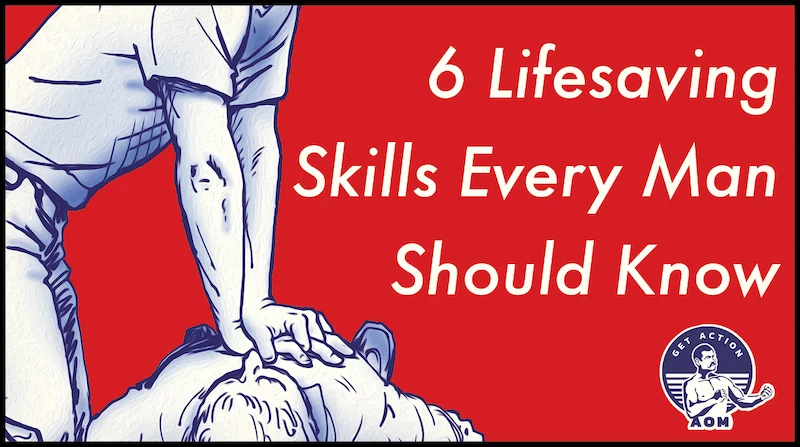
The critical window between the onset of a life-threatening medical emergency and the arrival of professional emergency medical services (EMS) often determines the ultimate outcome for the victim. While the standard protocol in any crisis is to immediately contact 911, national averages for ambulance response times in the United States range from seven to fourteen minutes, with rural areas often facing significantly longer delays. In scenarios involving cardiac arrest, severe hemorrhaging, or airway obstruction, these minutes represent the difference between recovery, permanent neurological damage, or death. Consequently, medical professionals are increasingly emphasizing the role of the "immediate responder"—the bystander, family member, or colleague who is present at the scene and capable of administering basic lifesaving interventions.
The transition from a passive bystander to an active first responder requires a combination of foundational knowledge and the confidence to act under pressure. Jared Shears, a veteran Intensive Care Unit (ICU) nurse, and other medical experts suggest that while digital resources provide a necessary framework, they are best utilized as a supplement to formal, in-person certification. Organizations such as the American Red Cross and the American Heart Association (AHA) provide the hands-on training necessary to master the physical mechanics of these life-saving procedures.
The Critical Gap in Emergency Care: The Reality of Response Times
Statistical data from the Journal of the American Medical Association (JAMA) indicates that for every minute a victim of cardiac arrest goes without cardiopulmonary resuscitation (CPR), their chances of survival drop by approximately 7% to 10%. When professional paramedics arrive eight minutes after a collapse, the survival rate without prior intervention is statistically dismal. This "platinum ten minutes" is the period where the actions of a layperson are most impactful.
The medical community has shifted its focus toward empowering the public with simplified, high-impact skills. This movement acknowledges that most life-threatening emergencies occur in the home or the workplace, where the first person on the scene is rarely a doctor or a nurse.
Cardiac Arrest and the Implementation of Hands-Only CPR
Sudden cardiac arrest (SCA) is a leading cause of death globally, claiming over 350,000 lives annually in the United States alone. When a person becomes unresponsive, stops breathing, and lacks a detectable pulse, their heart has ceased to pump blood to the brain and vital organs. In these instances, CPR serves as a manual pump to maintain systemic circulation.
In recent years, the AHA has modified its recommendations for untrained bystanders, advocating for "Hands-Only CPR." This method focuses exclusively on high-quality chest compressions, omitting the traditional rescue breaths (mouth-to-mouth). Research has shown that in the first few minutes of cardiac arrest, the victim’s blood still contains enough oxygen to sustain the brain, provided it is kept moving through the body via compressions.
Paramedic Charles Patterson emphasizes that the mechanics of CPR—specifically the rate of 100 to 120 compressions per minute and a depth of at least two inches—are difficult to master without practicing on a specialized manikin. This physical muscle memory allows a responder to remain calm and maintain the necessary rhythm, often equated to the beat of the song "Stayin’ Alive," during a high-stress event.
The Role of Automated External Defibrillators (AED) in the Chain of Survival
While CPR maintains blood flow, it rarely restarts a heart that has entered a lethal rhythm like ventricular fibrillation. For this, an electrical shock from an Automated External Defibrillator (AED) is required. Modern AEDs are designed for use by the general public; they are increasingly common in airports, shopping malls, fitness centers, and office complexes.
Once activated, an AED provides step-by-step voice prompts to guide the user. The device automatically analyzes the victim’s heart rhythm and will only administer a shock if it detects a "shockable" rhythm, mitigating the risk of accidental injury to the victim. Medical data suggests that when an AED is used within the first three to five minutes of collapse, survival rates can climb as high as 50% to 70%. Public health officials advocate for "Public Access Defibrillation" programs, urging all citizens to familiarize themselves with the location of AEDs in their daily environments.
Respiratory Emergencies: The Evolution of the Heimlich Maneuver
Choking remains the fourth leading cause of unintentional injury death. The standard intervention, the Heimlich maneuver (abdominal thrusts), is highly effective but requires proper sequencing. Current protocols from the American Red Cross suggest a "5-and-5" approach: five back blows followed by five abdominal thrusts.
The procedure begins by leaning the victim forward and delivering five firm blows with the heel of the hand between the shoulder blades. If the obstruction is not dislodged, the responder then performs five abdominal thrusts. This alternating sequence creates different types of internal pressure that are more likely to expel the foreign object. Specialized variations of this technique exist for specific populations, including infants, pregnant women, and individuals with obesity, where chest thrusts are substituted for abdominal thrusts to avoid injury or accommodate physical constraints.
Hemorrhage Control: The Modern Revival of the Tourniquet
Perhaps no area of first aid has seen as much evolution as the treatment of severe bleeding. For decades, tourniquets were viewed as a "last resort" due to fears of limb ischemia and subsequent amputation. However, data emerging from the conflicts in Iraq and Afghanistan fundamentally changed this perspective. Military medical records proved that tourniquets could be left in place for several hours with minimal risk of permanent nerve or tissue damage, while effectively stopping life-threatening arterial bleeding.
This shift led to the national "Stop the Bleed" campaign, which aims to put tourniquets and bleeding control kits in public spaces alongside AEDs. In cases of traumatic injury—such as those resulting from motor vehicle accidents, industrial mishaps, or violent incidents—a victim can bleed to death in less than five minutes. The application of a commercial windlass tourniquet, placed high and tight on a limb, is now recognized as a primary intervention for extremity hemorrhage that cannot be controlled by direct pressure.
Water Safety and the Instinctive Drowning Response
Drowning is often a silent event, contrary to the cinematic portrayal of splashing and shouting. Dr. Francesco Pia’s research into the "Instinctive Drowning Response" reveals that drowning individuals are physiologically unable to call for help because the respiratory system prioritizes breathing over speech. They typically remain upright in the water, arms extending laterally to press down on the surface, with their mouths bobbing above and below the waterline.
Rescuing a drowning person carries significant risk for the rescuer. A panicked victim may inadvertently pull their savior underwater. Safety experts advocate for the "Reach, Throw, Row, Go" progression. This hierarchy prioritizes staying out of the water by reaching out with a pole or throwing a flotation device. Only as a last resort, and only if the rescuer is a strong swimmer, should they enter the water to perform a swimming rescue, ideally approaching the victim from behind to maintain control and safety.
Management of Major Burns and Thermal Injuries
Burn injuries are classified by depth: first-degree (superficial), second-degree (partial thickness), and third-degree (full thickness). While minor burns require basic cooling and dressing, third-degree burns—which may appear charred or white and involve all layers of the skin—constitute a medical emergency.
The immediate priority in burn care is to stop the burning process. This involves removing the heat source and cooling the affected area with room-temperature or cool running water. Experts warn against using ice or very cold water, as this can cause further tissue damage and contribute to hypothermia. Furthermore, traditional "home remedies" such as butter or ointments should be avoided on severe burns, as they can trap heat and increase the risk of infection. Professional medical intervention is necessary to manage fluid loss and prevent systemic shock, which are common complications of extensive thermal injuries.
Broader Impact and the Importance of Public Readiness
The integration of these lifesaving skills into the general population represents a significant public health opportunity. When a high percentage of the citizenry is trained in basic first aid, the overall resilience of the community increases. This "force multiplier" effect reduces the burden on emergency rooms and improves the survival statistics for various traumas and medical crises.
Beyond the clinical benefits, there is a profound psychological impact. Individuals who possess these skills report lower levels of anxiety during emergencies and a greater sense of civic duty. As ICU nurse Jared Shears notes, the goal is not to replace the paramedic, but to bridge the gap until they arrive. By committing mnemonics to memory and seeking out certified training, the average person transitions from a witness to a vital link in the chain of survival. In the landscape of modern emergency medicine, the first responder is no longer just the person in the ambulance; it is anyone with the knowledge and the will to act.