
 By Eva Lovia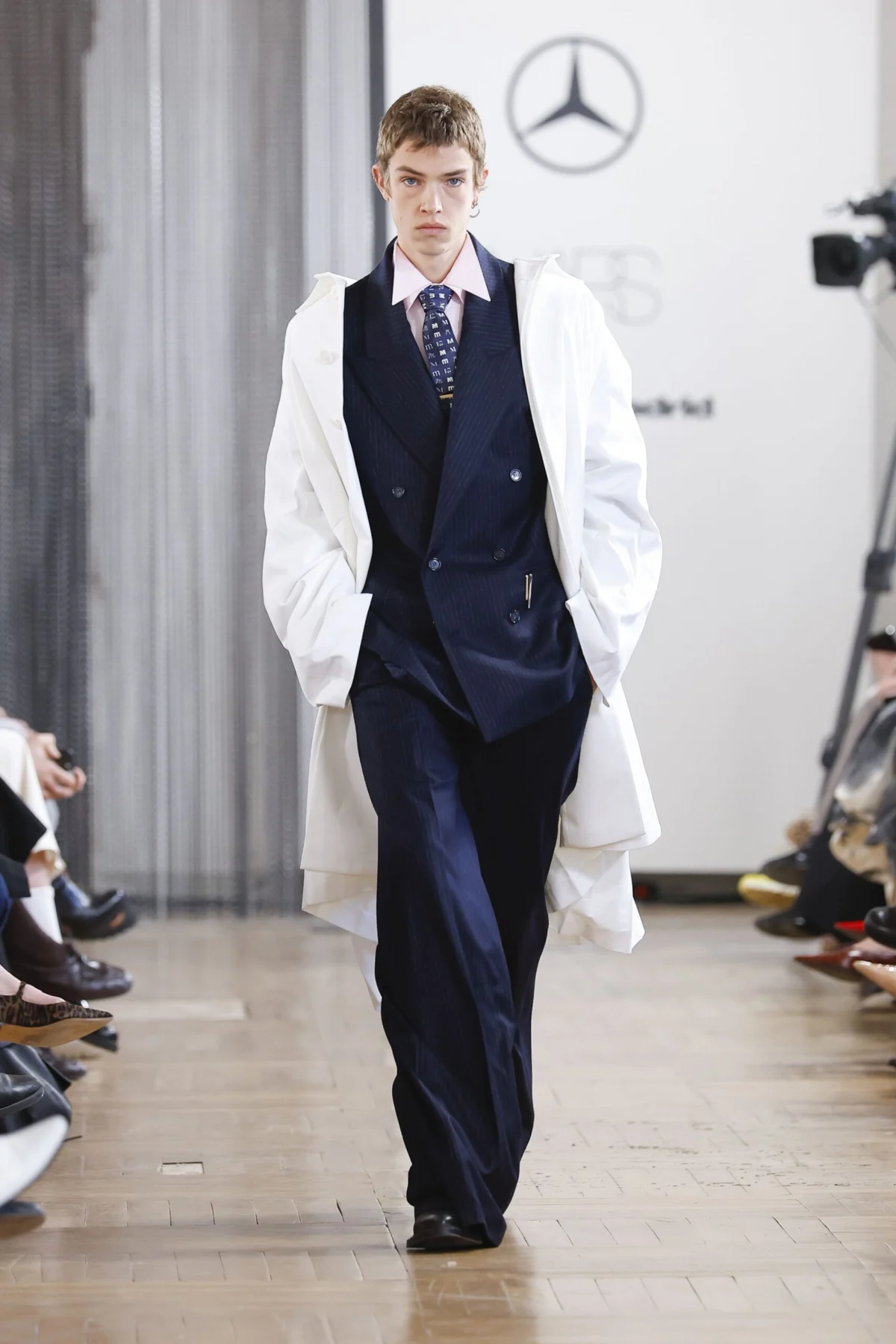
Creative director Jaime Álvarez has steered his label, Mans, back to its foundational principles for the Fall 2026 season, delivering a collection that prioritizes the rigorous tailoring and masculine silhouettes that first defined the brand’s identity. Following a multi-season exploration of womenswear that began in 2023, the brand’s latest presentation, titled "Back to the Roots," serves as both a homecoming and a sophisticated evolution of the label’s design language. The collection, unveiled during the high-profile schedule of Mercedes-Benz Fashion Week Madrid, utilizes the butterfly as its central metaphor, symbolizing a metamorphosis that reconciles the brand’s heritage with its contemporary aspirations.
The Strategic Pivot and Creative Philosophy
The decision to return to a menswear-centric focus follows a period of experimentation for Mans. Since its inception in 2017, the brand earned acclaim for its ability to modernize traditional Spanish tailoring, blending classic craftsmanship with avant-garde proportions. However, the 2023 expansion into womenswear, while commercially ambitious, led to what Álvarez described as a temporary dilution of the brand’s core DNA.
The Fall 2026 collection is characterized by a "liberating" return to form. Álvarez noted that while the garments are designed with a menswear perspective, the fluid nature of contemporary fashion ensures that the pieces remain accessible to a diverse clientele regardless of gender. This shift signifies a broader trend in the luxury market where brands are returning to "quiet excellence" and technical mastery over rapid trend-cycling. The butterfly motif, which appears both as a literal print and a conceptual framework for the collection’s silhouettes, represents this transition from experimentation back to a refined state of being.
Artistic Influences and the Metamorphosis Motif
The creative catalyst for the collection originated from a technical error in the atelier. While developing a vest, a patterning mishap resulted in an excessively long, exaggerated neckline. Rather than discarding the prototype, Álvarez recognized a resemblance to the delicate, sprawling wings of a lepidopteran. This "happy accident" became the guiding light for the season, influencing the flow of fabrics and the structural integrity of the outerwear.
Beyond the accidental discovery, the collection draws heavily from the Post-Impressionist works of Vincent Van Gogh. Álvarez cited Van Gogh’s depictions of butterflies and his characteristic brushwork as a primary inspiration for the movement found within the garments. The designer sought to replicate the sense of "constant motion" found in Van Gogh’s paintings, translating thick, textured brushstrokes into layered fabrics and intricate pleating.
The architectural legacy of Cristóbal Balenciaga is also evident in the collection’s construction. Balenciaga, often referred to as "the master of us all" in the tailoring world, is channeled through sculptural collars and the dramatic volume of the backs of coats and jackets. By referencing Balenciaga, Álvarez aligns Mans with the pinnacle of Spanish couture history, emphasizing a commitment to form and volume that transcends simple garment construction.
Materiality and Technical Craftsmanship
A hallmark of the Fall 2026 collection is its diverse use of textiles, ranging from utilitarian cottons to ethereal silks. Álvarez, a self-described "fabric aficionado," utilized cotton pleating to reinterpret a deeply personal item: his grandfather’s pharmacist coat. This homage serves to ground the high-fashion collection in a sense of familial history and practical heritage.
The collection’s exploration of volume is realized through several key fabrications:
- Leatherwork: Revived techniques were applied to jackets to create structured, almost armor-like silhouettes that retain a soft, tactile finish.
- Silk-Poplin Blends: Used primarily in shirting, these blends allow for exaggerated proportions that maintain their shape without sacrificing the wearer’s comfort.
- Silk Georgette and Wild Silks: These delicate materials provide a counterpoint to the heavier tailoring, offering a softness that mimics the fragility of butterfly wings.
One of the most notable technical achievements in the collection is the reinterpretation of the Japanese obi sash. Álvarez collaborated with Casa Rodríguez, a renowned Seville-based workshop specializing in religious ornaments for Easter (Semana Santa) processions. By using traditional tassels and trimmings typically reserved for ecclesiastical regalia, Mans created a dialogue between Japanese tradition and Spanish religious heritage, resulting in vests that are both culturally rich and aesthetically modern.
Chromatic Strategy and Styling
The color palette for Fall 2026 is a sophisticated study in contrast and harmony. The foundation of the collection is built on deep, somber tones including navy blue, regal purple, and the brand’s signature dark forest green. These stable colors are punctuated by vibrant flashes of bougainvillea pink, light green, bright red, lilac, and aqua.
This use of color is not merely decorative but functional, intended to highlight the complexity of the layering. The styling of the runway show emphasized bold patterns and unexpected construction details, such as unconventional sleeve openings that allow for a glimpse of the layers beneath. This approach encourages a playful engagement with the garments, suggesting that while the tailoring is serious, the act of dressing should remain an expressive and joyful experience.
Chronological Development of the Mans Brand
To understand the significance of the Fall 2026 collection, it is essential to view it within the timeline of the brand’s rapid ascent in the fashion industry:
- 2017: Jaime Álvarez founds Mans in Madrid, focusing on bespoke-inspired menswear with a youthful edge.
- 2020: The brand gains international attention after winning the prestigious Vogue Spain "Who’s on Next" award, providing the capital and platform for expansion.
- 2021-2022: Mans becomes a staple of Madrid Fashion Week, praised for its "New Tailoring" approach that challenges traditional gender norms in suiting.
- 2023: The brand launches its first full womenswear line, seeking to capture a larger share of the luxury market.
- 2024-2025: A period of reflection where the brand maintains a dual-gender focus but begins to feel the strain of balancing two distinct design directions.
- 2026: The debut of "Back to the Roots," marking a strategic return to menswear-led design and a refocusing on the technical craftsmanship that built the brand’s reputation.
Market Data and Industry Context
The return to specialized tailoring comes at a time when the global menswear market is experiencing significant shifts. According to data from Euromonitor International, the luxury menswear segment is projected to grow at a CAGR of 5.8% through 2028, outpacing several womenswear categories. There is an increasing demand for "investment pieces"—garments that offer longevity through superior construction and timeless design.
Industry analysts suggest that Mans’ pivot back to its tailoring roots is a savvy move in a crowded marketplace. By focusing on high-concept tailoring and unique artisanal collaborations (such as the partnership with Casa Rodríguez), Mans differentiates itself from mass-market luxury brands. The integration of traditional Spanish craftsmanship into modern silhouettes appeals to a demographic of "New Luxury" consumers who value authenticity and provenance over logos.
Industry Reactions and Implications
While official sales figures for the collection will not be available until the retail launch, early reactions from fashion critics and buyers have been overwhelmingly positive. The collection has been praised for its "emotional resonance" and its refusal to follow the "athleisure" trends that have dominated menswear for the past decade.
"Jaime Álvarez has reclaimed his voice," noted one prominent Spanish fashion critic following the show. "By looking back at his own history and the history of Spanish couture, he has created something that feels entirely new. The ‘Back to the Roots’ collection is a reminder that technical skill is the ultimate luxury."
The broader implications for the Spanish fashion industry are also significant. Mans is increasingly seen as a torchbearer for a new generation of Spanish designers who are successfully exporting the country’s sartorial heritage to a global stage. The brand’s ability to blend the religious iconography of Seville with the avant-garde spirit of Madrid positions it as a unique cultural ambassador.
Conclusion: The Future of Mans
The Fall 2026 collection marks the beginning of a new chapter for Mans. By embracing the "destiny" of menswear tailoring, Jaime Álvarez has not limited the brand but has instead provided it with a clearer, more resonant identity. The metamorphosis symbolized by the butterfly is complete: the brand has shed the weight of trying to be everything to everyone and has emerged as a focused, technically brilliant powerhouse.
As the fashion industry continues to navigate economic uncertainty and changing consumer habits, Mans’ commitment to "Back to the Roots" serves as a strategic blueprint. It suggests that for a brand to move forward, it must first have a profound understanding of where it began. The Fall 2026 collection is a testament to the power of tailoring, the importance of heritage, and the enduring relevance of the "happy accident" in the creative process.