
 By Nila Kartika Wati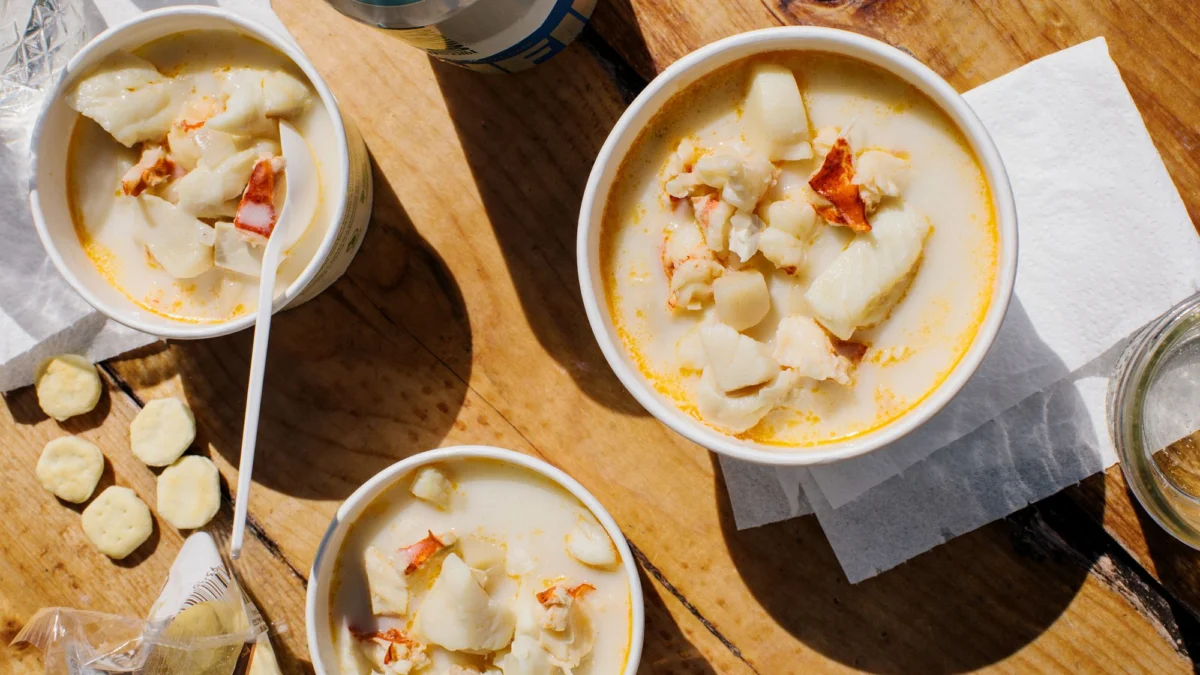
The culinary landscape of Martha’s Vineyard, a picturesque island renowned for its pristine beaches and vibrant seafood scene, is dotted with establishments that have become synonymous with local flavor and tradition. Among these, Larsen’s Fish Market, a staple in Menemsha for generations, holds a special place in the hearts and appetites of both residents and visitors. Recently, insights into their celebrated seafood chowder have emerged, offering a glimpse into a recipe that champions flexibility, robust flavor, and disarming simplicity, all while paying homage to the briny essence of the Atlantic.
This celebrated chowder, a cornerstone of Larsen’s offerings, draws its profound depth from the foundational elements of clam juice and a rich seafood stock. These ingredients are not merely components; they are the very soul of the dish, imbuing each spoonful with the unmistakable taste of the ocean. At its core, any chowder, including this esteemed version, is built upon a trinity of essential elements: potatoes, cream, and a substantial "something" – in this case, a generous medley of seafood. These components coalesce to provide the soup with its signature body, its comforting, velvety texture, and its inherent heartiness.
The natural starches released from the potatoes play a crucial role in thickening the broth, lending it a satisfying viscosity. However, many chowder recipes often begin with a roux, a culinary technique involving the careful cooking of flour and butter. This combination, when expertly prepared, can further enhance the chowder’s body, creating a richer, more substantial base. The team at Larsen’s, however, has refined this process, opting for a method that prioritizes a silken finish and optimal seafood tenderness. They prepare the roux separately, introducing it to the broth with a gentle whisking action just moments before serving. This nuanced approach not only ensures an exceptionally smooth and luxurious texture but also grants the cook precise control over the chowder’s final thickness. Crucially, this method prevents the seafood from becoming overcooked and tough, a common pitfall in many chowder preparations. The outcome is a broth-forward seafood chowder that is consistently light, flavorful, and delightfully free from any undesirable gloppiness.
Adapting for Dietary Needs and Culinary Nuances
The inherent flexibility of the Larsen’s chowder recipe is one of its most significant strengths, allowing it to cater to a diverse range of palates and dietary considerations. A frequently posed question regarding such a seafood-centric dish revolves around its adaptability for individuals with shellfish allergies. The solution, as suggested by the insights into the recipe, lies in strategic substitutions. For those who must avoid shellfish, the use of homemade fish stock or a mild vegetable stock in place of clam juice is highly recommended. This ensures that the chowder retains its essential flavor profile and comforting body, even without the presence of shellfish.
Should the dietary restrictions permit, incorporating squid or cuttlefish can offer a delightful alternative, providing a unique textural element and oceanic flavor. For a more widely accessible option, an increased quantity of white fish is advised. To further enhance complexity and texture, utilizing a variety of white fish is paramount. Species such as cod, halibut, monkfish, sea bass, and swordfish each contribute distinct characteristics, creating a more engaging and satisfying sensory experience. This thoughtful approach to ingredient selection underscores the recipe’s commitment to inclusivity without compromising on taste or quality.
Mastering the Art of Seafood Chowder: Key Considerations
Preventing the overcooking of delicate seafood is a critical aspect of preparing an exemplary chowder. The guiding principle is simple yet effective: add fish and shellfish towards the very end of the cooking process. Gentle stirring is also essential, as these ingredients require only a few minutes to heat through. Overexposure to heat can quickly transform tender seafood into a rubbery, unappealing texture, diminishing the overall enjoyment of the dish. This attention to timing and technique is what separates a good chowder from a truly exceptional one.
Another common concern for home cooks is the potential for an overly salty chowder. Both clam juice and commercially produced stocks can be surprisingly high in sodium. Therefore, it is imperative to exercise caution when adding any additional salt to the recipe. Tasting the broth after the roux has been incorporated and making adjustments incrementally is the most prudent approach. This allows for precise control over the seasoning, ensuring a balanced and palatable final product.
The phenomenon of a broth splitting, where the creamy elements separate from the liquid base, can be disheartening. To circumvent this culinary mishap, it is vital to avoid a rapid, rolling boil after the roux mixture has been added. While a brief simmer is necessary to cook off any raw flour taste from the roux, an aggressive boil can destabilize the dairy components, leading to curdling and a less appealing texture. A gentle simmer, allowing the flavors to meld without aggressive agitation, is the key to maintaining a smooth, emulsified broth.
The Larsen’s Legacy and the Enduring Appeal of Chowder
Larsen’s Fish Market, established in 1959, has long been a beacon of fresh, high-quality seafood on Martha’s Vineyard. Situated in the picturesque fishing village of Menemsha, the market’s proximity to the source of its ingredients is a significant advantage, ensuring unparalleled freshness. The chowder, therefore, is not just a recipe; it is a reflection of the market’s deep connection to the local fishing community and its commitment to showcasing the bounty of the sea.
The evolution of this chowder recipe likely mirrors the broader trends in seafood preparation and culinary preferences. While traditional New England clam chowder often features a thicker, cream-based broth, the Larsen’s approach leans towards a lighter, more broth-forward style. This modern interpretation caters to a contemporary palate that often seeks to highlight the natural flavors of the seafood without being weighed down by excessive richness. Data from the National Oceanic and Atmospheric Administration (NOAA) consistently shows the economic significance of the seafood industry in coastal regions like New England, with shellfish and groundfish being major contributors. The demand for high-quality, well-prepared seafood dishes like chowder plays a vital role in supporting these industries.
The implications of sharing such a recipe are far-reaching. For home cooks, it provides an opportunity to recreate a taste of Martha’s Vineyard in their own kitchens, fostering a connection to the island’s culinary heritage. For the broader culinary community, it offers a masterclass in balancing flavors, textures, and dietary considerations, reinforcing the principles of adaptability and ingredient quality. The success of Larsen’s chowder can be seen as a testament to the enduring appeal of simple, well-executed comfort food, particularly when it is rooted in fresh, local ingredients and a deep understanding of culinary tradition.
The story of Larsen’s chowder is more than just a recipe; it is a narrative of place, tradition, and culinary excellence. It speaks to the power of simple ingredients, expertly prepared, to create a dish that is both deeply satisfying and enduringly popular. As Martha’s Vineyard continues to draw visitors seeking authentic experiences, the legacy of establishments like Larsen’s Fish Market, and the secrets they hold within their beloved recipes, will undoubtedly continue to be celebrated for generations to come. The economic impact of such culinary landmarks on local tourism is substantial, with visitors often seeking out iconic dining experiences that define a region’s identity. The continued success of Larsen’s is a clear indicator of the value placed on quality, tradition, and the unmistakable taste of the sea.