
 By Nila Kartika Wati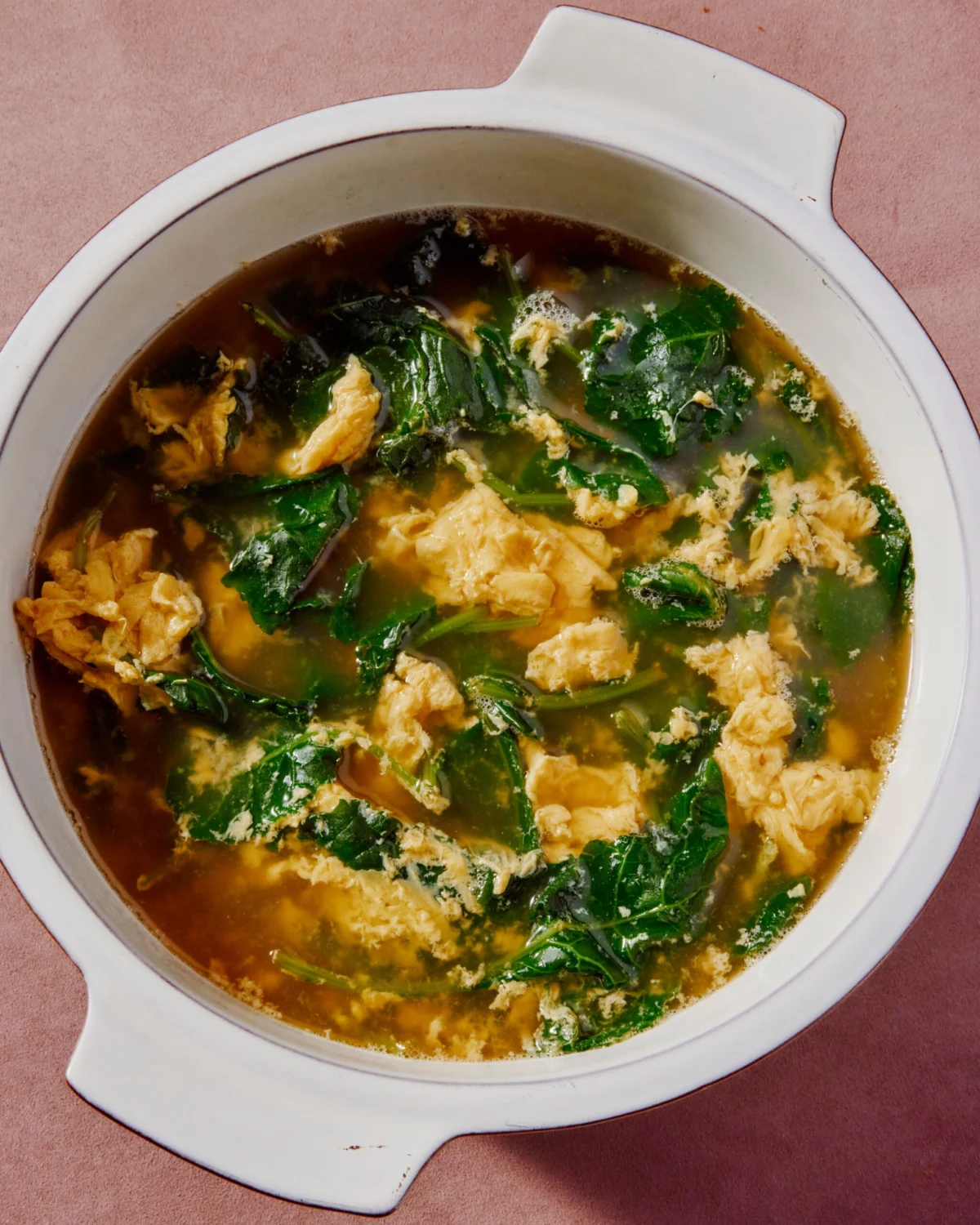
The resurgence of bone broth as a dietary staple, particularly prominent in recent years, reflects a deeper societal interest in ancestral eating practices and holistic health. While often championed as a miraculous elixir for everything from glowing skin to robust gut health, its historical roots and practical culinary applications reveal a more nuanced and enduring value. This exploration delves into the origins of bone broth, its recent trend cycle, and its transformation from a perceived cure-all to a versatile and nourishing ingredient in contemporary kitchens.
From Ancient Remedies to Modern Trends
The practice of simmering bones to create a nutrient-rich liquid is far from a recent invention. Historical and anthropological evidence points to its use across various cultures for millennia. In Traditional Chinese Medicine, broths made from animal bones have been a cornerstone of therapeutic diets, believed to fortify the "qi" or vital energy and nourish the blood. Similarly, 19th-century British medical texts documented the use of "beef tea," a precursor to modern bone broth, as a restorative tonic for the sick and convalescent. The enduring popularity of chicken soup, famously dubbed "Jewish penicillin," can be traced back to at least the 12th century, when it was recommended by a holistic health practitioner for its purported ability to combat respiratory ailments and "rectify corrupted humors."
These historical precedents underscore a fundamental human understanding of the body’s need for easily digestible nutrients, particularly during times of illness or stress. The slow simmering process extracts collagen, gelatin, amino acids, and minerals from bones, creating a liquid that is both comforting and potentially beneficial for bodily repair and function.
The Bone Broth Phenomenon of the Mid-2010s
The early to mid-2010s witnessed a significant surge in bone broth’s popularity, transforming it from a traditional home remedy into a mainstream wellness trend. Social media platforms became inundated with images of steaming mugs of bone broth, often presented as a standalone beverage or even a meal replacement. This period, characterized by a broader embrace of "wellness culture," saw bone broth positioned as a natural, paleo-friendly, and nutrient-dense alternative to processed foods and sugary drinks.
The narrative surrounding bone broth during this time was heavily influenced by the burgeoning health and wellness industry. Marketers and influencers promoted its supposed benefits, often citing anecdotal evidence and limited scientific studies. Claims ranged from improved skin elasticity and nail strength to enhanced gut health, detoxification, and even weight loss. This often led to the perception of bone broth as a "magic potion," a quick fix for a range of health concerns. This fervent advocacy, while bringing attention to the ingredient, also contributed to its sometimes exaggerated portrayal as a panacea.

Beyond the Hype: The Culinary and Nutritional Value of Bone Broth
While the wellness trend brought bone broth into the spotlight, its true value lies in its versatility and its inherent nutritional qualities when incorporated thoughtfully into a balanced diet. The author of the original piece highlights a crucial distinction: bone broth is a nourishing ingredient, not a cure-all or a sustainable meal replacement on its own. Its hydrating properties and rich mineral content are undeniable. However, relying solely on bone broth for sustenance can lead to nutritional deficiencies and a lack of satiety.
The author’s approach emphasizes transforming bone broth into a substantial meal. This culinary philosophy aligns with a more grounded understanding of nutrition, where whole foods and balanced macronutrients are prioritized. By using bone broth as a base for soups, stews, or sauces, individuals can harness its benefits while ensuring they are consuming a complete and satisfying meal.
A Quick and Nourishing Meal Solution
The "Good for You" series, of which this article is a part, aims to provide accessible and delicious recipes that require 10 ingredients or fewer. This philosophy is perfectly embodied in the proposed bone broth soup recipe. Drawing inspiration from classic dishes like Italian stracciatella and Chinese egg drop soup, this recipe transforms simple bone broth into a flavorful and filling meal in just 10 minutes.
The key to this speedy yet satisfying dish lies in its thoughtful composition. Lightly seasoned bone broth serves as the foundation, enriched with the addition of leafy greens and delicate ribbons of gingery egg. The inclusion of a slice of garlic-rubbed toast for dipping further enhances its meal-like quality, providing carbohydrates and a satisfying crunch. This approach effectively counters the notion of bone broth as merely a beverage, positioning it as a central component of a balanced and enjoyable meal.
Sourcing and Understanding Bone Broth
The accessibility of bone broth has significantly improved in recent years. Consumers can choose to make their own at home, a process that involves simmering bones for extended periods (typically 12-24 hours) to maximize nutrient extraction. Alternatively, a growing number of specialty shops and online retailers offer high-quality, artisanal bone broths. In metropolitan areas, dedicated establishments like Brodo in New York City have played a role in popularizing the concept of convenient, ready-to-drink bone broth.
However, the market also offers a wide array of commercially produced boxed bone broths. It is crucial for consumers to understand the distinctions between bone broth, stock, and broth. While often used interchangeably, these terms denote different preparation methods and ingredient compositions.

- Stock: Typically made by simmering bones, often with mirepoix (carrots, celery, onions) and aromatics, for a shorter duration than bone broth. Stock is primarily used as a base for sauces, soups, and stews, contributing flavor and body.
- Broth: Generally made from simmering meat (with or without bones), vegetables, and herbs. Broth is often lighter in flavor and texture than stock and can be consumed on its own.
- Bone Broth: The term "bone broth" has become a more specific culinary and marketing designation. Commercially, it often refers to a product made by simmering bones for a longer period, frequently with added aromatics and sometimes a touch of salt. This results in a more concentrated flavor and a higher potential for collagen and mineral content. While technically similar to a long-simmered stock, the "bone broth" label emphasizes the extraction from bones and the purported health benefits associated with it.
The author rightly cautions against substituting bouillon paste or cubes for genuine bone broth in recipes. While these concentrated flavor enhancers can add taste, they typically lack the nutritional complexity and the beneficial compounds found in slow-simmered bone broth. The distinction is not merely semantic; it reflects a difference in nutritional profile and culinary contribution.
The Market Landscape and Consumer Choice
The increased availability of bone broth has led to a diverse market, with various brands competing for consumer attention. Factors such as ingredient sourcing, simmering time, and perceived health benefits influence product positioning and pricing. Brands like Bonafide Provisions, mentioned by the author, have gained traction by emphasizing organic ingredients and rigorous preparation methods. Their chicken and beef varieties are noted for their accessibility in supermarkets, making them a convenient option for consumers looking to incorporate bone broth into their diets.
The price point of commercially produced bone broth can vary significantly, often reflecting the quality of ingredients and the perceived value of the product. While some consumers may opt for premium brands, others may find more affordable options at their local grocery stores. The key for consumers is to read labels carefully and understand what they are purchasing, ensuring it aligns with their dietary goals and culinary intentions.
Broader Implications and Future Outlook
The sustained interest in bone broth, even beyond its peak trend status, signifies a broader shift in consumer attitudes towards food and health. There is a growing appreciation for traditional food preparation methods and a desire to reconnect with the nutritional wisdom of the past. Bone broth, in its various forms, represents this movement towards more natural, whole-food-based approaches to wellness.
The culinary evolution of bone broth, from a simple beverage to a foundational ingredient in quick, nourishing meals, demonstrates its adaptability. As consumers become more discerning, the emphasis is likely to shift from hype-driven claims to practical, evidence-based applications. The future of bone broth likely lies in its integration into everyday cooking, celebrated for its inherent qualities rather than its perceived miraculous properties. Its role as a comforting, nutrient-dense component of a balanced diet, capable of transforming simple ingredients into satisfying meals, solidifies its place in the modern kitchen. The ongoing dialogue surrounding its benefits, coupled with accessible recipes and a better understanding of its culinary nuances, ensures that bone broth will continue to be a valued element in the pursuit of healthy and flavorful eating.