
 By Joko Widodo
The military field jacket, a garment originally engineered to meet the grueling demands of 20th-century warfare, has transitioned from a tactical necessity into one of the most enduring icons of modern menswear. Characterized by its distinctive four-pocket layout, rugged fabrications, and utilitarian silhouette, the field jacket serves as a primary example of how military innovation dictates civilian fashion trends. Today, the garment is recognized not only for its functional capacity during transitional weather seasons—specifically the fluctuating temperatures of spring and autumn—but also for its unique ability to bridge the gap between casual attire and structured tailoring.
The Strategic Failures of Early Military Apparel
The development of the modern field jacket was not a linear success but rather the result of a protracted process of trial and error by the United States military. At the dawn of the 1940s, as the U.S. prepared for entry into World War II, the standard-issue garment was the M-1939 Service Coat. This heavy, long-form wool garment was designed more for garrison duty and parade grounds than for the dynamic requirements of modern mechanized infantry.
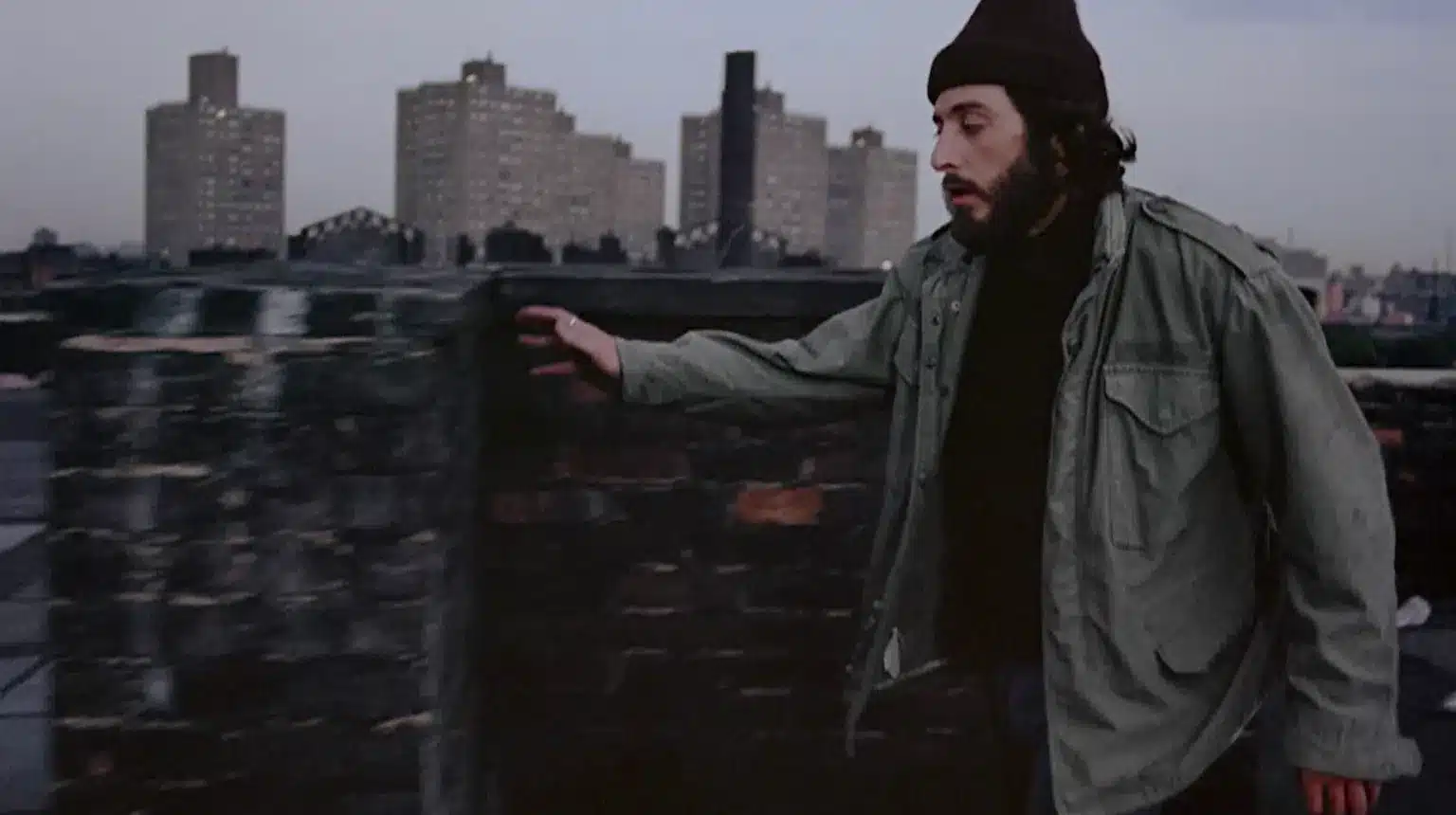
Military historians and textile experts note that the M-1939 was fundamentally flawed for combat. The heavy wool construction lacked breathability; when soldiers engaged in physical exertion, the fabric absorbed perspiration. Upon cessation of movement, the trapped moisture cooled rapidly, significantly increasing the risk of hypothermia in temperate climates. Furthermore, the garment became prohibitively heavy when wet, hindering soldier mobility and increasing fatigue.
In 1941, the U.S. Army introduced the M-1941 Field Jacket, colloquially known as the "Parsons Jacket" after Major General James K. Parsons. Modeled after civilian windbreakers, the M-1941 utilized a lightweight cotton poplin shell with a wool flannel lining. While it offered improved mobility over its predecessor, it failed to meet the demands of the European theater. The light olive drab shade proved too conspicuous in the field, the cotton poplin lacked sufficient wind and water resistance, and the waist-length cut provided inadequate storage for essential gear.
The 1943 Breakthrough and the Birth of the Layering System
The turning point in military outerwear design occurred in 1943 with the introduction of the M-1943 Field Jacket. This iteration represented a paradigm shift in how the military viewed environmental protection. Moving away from single, heavy garments, the M-1943 was designed as the outer shell of a comprehensive layering system. This allowed soldiers to adapt to conditions ranging from the mild autumns of France to the sub-zero temperatures of the Ardennes by adding or removing insulating mid-layers.
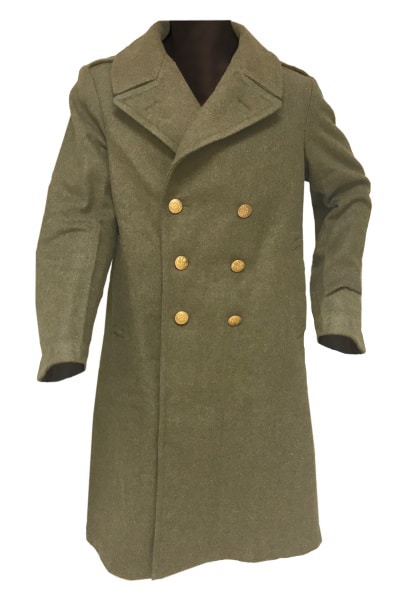
The M-1943 introduced several features that remain standard in field jacket design today. It featured a longer, hip-length cut for better coverage and was constructed from a tightly woven cotton sateen in a darker "Olive Drab 7" (OD7) shade. Most notably, it debuted the iconic four-pocket configuration: two expandable bellows pockets at the hips for large items and two pleated pockets at the chest for flatter essentials. This design maximized utility without sacrificing the soldier’s range of motion.
From the M-1951 to the M-65: The Apex of Utility
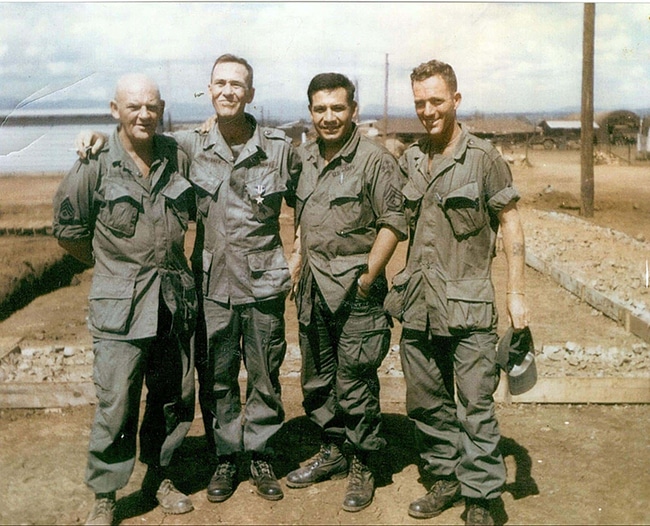
The evolution of the field jacket continued through the Korean War with the M-1951, which introduced a heavy-duty zipper closure and snap fasteners to replace buttons, along with "bi-swing" pleats at the back to enhance shoulder mobility. However, the design reached its definitive form in 1965 with the introduction of the M-65.
Produced by various government contractors, most notably Alpha Industries, the M-65 was specifically optimized for the humid, unpredictable environment of Vietnam. Several key engineering upgrades distinguished the M-65 from previous models:
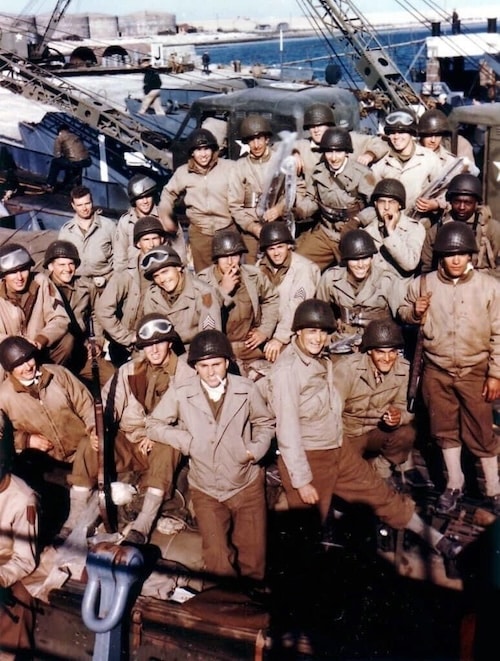
- Material Composition: A 50/50 blend of cotton and nylon sateen (NYCO) provided superior wind resistance and durability compared to 100% cotton.
- Integrated Protection: The previous pointed collar was replaced with a stand-up collar containing a zippered compartment for a concealed, lightweight hood.
- Advanced Fastening: Velcro fasteners were added to the cuffs and collar to allow for a rapid, secure seal against the elements.
- The Liner System: The M-65 featured a dedicated button-in quilted nylon liner, making it a true multi-season garment.
Because the M-65 was designed to accommodate these bulky liners, the original military specifications called for an oversized, boxy fit. In the modern vintage market, collectors often find that authentic M-65 jackets run one to two sizes larger than contemporary civilian equivalents.
The Socio-Economic Shift: From Surplus to Subculture
The transition of the field jacket from the battlefield to the civilian wardrobe was driven by post-war economic realities. Following World War II and the Korean War, massive quantities of military surplus were released into the civilian market. For working-class individuals in the 1950s and 60s, these jackets represented an affordable, nearly indestructible option for manual labor and outdoor activities.
By the late 1960s, the symbolic meaning of the field jacket began to shift. As veterans returned from Vietnam, many continued to wear their M-65s as a matter of practicality. When some of these veterans joined the anti-war movement, the jacket was transformed into a symbol of dissent and counterculture. This "rebel" aesthetic was quickly adopted by the youth of the era, including those who had never served, and the jacket became a staple of the 1970s and 80s punk and underground music scenes.
Cinematic Codification and Cultural Impact
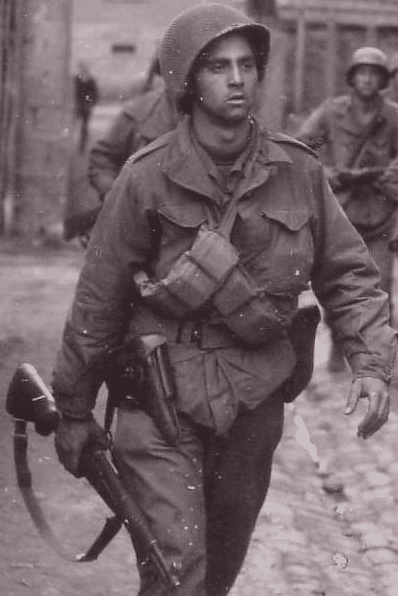
Hollywood played a critical role in cementing the field jacket’s status as a symbol of the rugged, independent "outsider." Costume designers utilized the M-65 to convey specific character traits without the need for dialogue.
In the 1973 film Serpico, Al Pacino’s character uses the field jacket to signify his non-conformity within a corrupt police force. In 1976’s Taxi Driver, Robert De Niro’s Travis Bickle wears the M-65 as a form of "urban armor," reflecting his status as a detached, combat-hardened veteran navigating a decaying city. Sylvester Stallone’s portrayal of John Rambo in First Blood (1982) further reinforced the jacket’s association with the misunderstood veteran. Conversely, Woody Allen’s use of the jacket in Annie Hall demonstrated that the garment could also be adopted by the urban intellectual, highlighting its immense stylistic range.
Modern Market Analysis and Manufacturing
Today, the field jacket market is divided into three primary segments: authentic vintage, faithful reproductions, and "inspired-by" contemporary fashion.
- Authentic Vintage: While highly sought after, original M-1943, M-1951, and M-65 jackets are becoming increasingly scarce. Market data suggests that "Small" and "Medium" sizes are more prevalent in the surplus market, as soldiers in the mid-20th century were generally smaller in stature than the average modern consumer.
- Faithful Reproductions: Companies such as Alpha Industries continue to produce the M-65 to original specifications. Additionally, specialized "heritage" brands like Japan’s The Real McCoy’s or China’s Bronson MFG cater to enthusiasts who demand historical accuracy in fabric weight, stitch count, and hardware, with prices ranging from $150 to over $800.
- Contemporary Interpretations: High-street and luxury brands including Filson, Huckberry, and J.Crew offer modernized versions. These typically feature "tapered" tailoring to eliminate the boxy military fit, providing a more flattering silhouette for the average civilian wearer.
Style Analysis: The V-Taper and Visual Weight
From a design perspective, the field jacket is favored by stylists because of its "visual weight." The four-pocket layout creates points of interest that break up the torso, while the hip-length cut provides a balanced proportion for most male frames.
A key technical feature of the field jacket is the internal waist drawstring. When cinched, this drawstring creates a tapered silhouette that mimics the "V-shape" of a tailored blazer, broadening the appearance of the shoulders and narrowing the waist. This structural element allows the jacket to be worn over a simple t-shirt and jeans or layered over an Oxford cloth button-down and tie for a "rugged-refined" look.
Broader Implications and Future Trends
The enduring popularity of the field jacket reflects a broader trend in the fashion industry toward "functionalism" and "heritage." As consumers increasingly move away from fast fashion in favor of durable, historically significant garments, the field jacket remains a primary beneficiary.

Industry analysts suggest that the garment’s appeal lies in its lack of seasonality. Unlike specialized winter parkas or lightweight summer windbreakers, the field jacket’s adaptable nature makes it a safe investment for the modern consumer. Furthermore, the garment’s association with "manly ruggedness" and "rebel cool" continues to resonate across generations.
In conclusion, the field jacket has successfully navigated the transition from a specialized piece of military equipment to a versatile civilian staple. Its journey from the failures of the early 1940s to its peak in the M-65 era demonstrates a mastery of utilitarian design. Whether used for its original purpose of environmental protection or as a deliberate style statement, the field jacket has earned its place as a permanent fixture in the global menswear lexicon. Its history is a testament to the idea that true utility never goes out of style.