
 By Nila Kartika Wati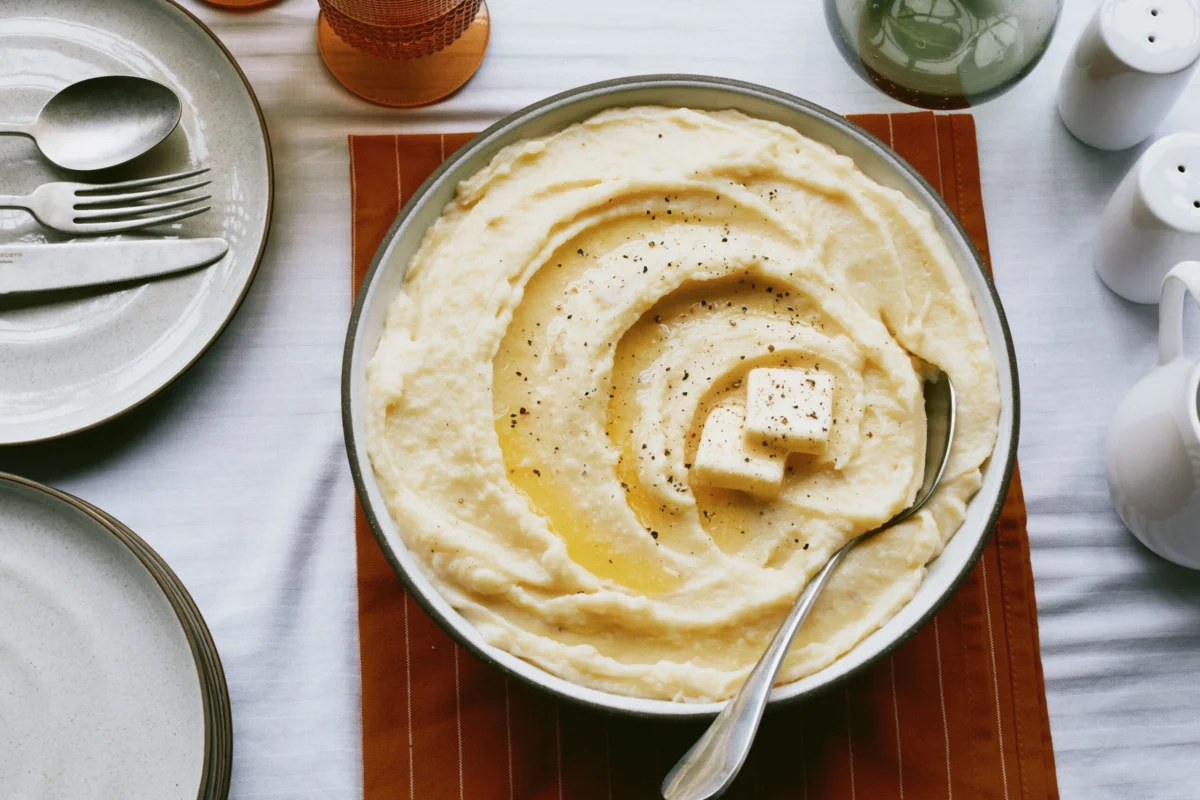
While the culinary spotlight often shines on the centerpiece roasts of ham and lamb, the true artistry and soul of an Easter dinner lie in its meticulously crafted side dishes. These accompaniments elevate a simple meal into a celebratory occasion, transforming a standard weeknight repast into a memorable holiday gathering. The inclusion of fluffy rolls, comforting casseroles, vibrant spring vegetables, and at least a duo of expertly prepared potato dishes are not merely additions; they are essential components that define the festive experience. Easter side dishes are the silent orchestrators of culinary delight, weaving together a tapestry of flavors and textures that engage all the senses.
The tradition of elaborate holiday meals, particularly those centered around religious observances like Easter, has deep historical roots. The practice of feasting after periods of fasting or significant religious events is common across many cultures and faiths. For Christians, Easter marks the resurrection of Jesus Christ, a time of profound joy and celebration. This commemoration often translates into communal gatherings and abundant meals shared with family and friends. The specific dishes served have evolved over centuries, influenced by regional ingredients, agricultural cycles, and evolving culinary trends. However, the fundamental principle of using the holiday meal to express gratitude, fellowship, and abundance has remained constant.
The Evolution of the Easter Side Dish
Historically, Easter meals were often dictated by the availability of seasonal produce following the lean winter months. Spring vegetables, such as asparagus, peas, and new potatoes, would have been a welcome and cherished addition to the table. These ingredients symbolized renewal and the burgeoning life of the season, aligning perfectly with the spiritual themes of Easter. Early preparations might have been simpler, focusing on highlighting the natural flavors of fresh ingredients.
As culinary techniques advanced and transportation allowed for a wider array of ingredients year-round, the complexity and variety of Easter side dishes expanded. Casseroles, for instance, gained popularity as a convenient and delicious way to combine multiple ingredients, often featuring creamy sauces and baked toppings. This trend gained significant traction in the mid-20th century, becoming a staple of American holiday tables. Similarly, the humble potato has been elevated through countless preparations, from creamy mashed potatoes and gratin dauphinois to crispy roasted wedges and scalloped variations. Each iteration offers a distinct textural and flavor profile, catering to diverse palates.

The inclusion of baked goods like rolls and biscuits also plays a crucial role. These soft, often slightly sweet or savory, items serve as a vehicle for absorbing delicious sauces and gravies, adding a comforting and familiar element to the meal. Parker House rolls, with their distinctive folded shape and buttery richness, have been a classic for generations, while tender, flaky biscuits represent a more rustic yet equally satisfying option.
Essential Elements for a Celebratory Spread
Building a truly spectacular Easter spread requires a thoughtful approach to selecting and preparing side dishes that complement the main course and offer a range of sensory experiences. The following categories represent the cornerstones of a successful Easter meal:
1. The Comforting Classics: Casseroles and Baked Delights
Casseroles are the quintessential comfort food of holiday gatherings, and Easter is no exception. Their ability to be prepared in advance and baked to golden perfection makes them a practical and beloved choice.
- Green Bean Casserole: While often associated with Thanksgiving, a well-executed green bean casserole, perhaps with fresh green beans, a homemade mushroom cream sauce, and crispy fried shallots instead of canned onions, can be a delightful spring addition. The earthy notes of the beans and mushrooms provide a grounding contrast to lighter spring flavors. Data from food industry reports consistently show a sustained interest in casseroles, with over 60% of consumers reporting they serve them during holidays, highlighting their enduring appeal.
- Scalloped Potatoes or Potatoes au Gratin: These creamy, cheesy potato dishes are universally adored. The slow baking process allows the flavors to meld, resulting in tender potatoes enveloped in a rich sauce. The slight caramelization on top adds a delightful textural contrast. Studies on consumer preferences for holiday meals frequently rank potato dishes among the top three most desired side items.
- Macaroni and Cheese: A gourmet macaroni and cheese, perhaps featuring a blend of Gruyère, sharp cheddar, and a hint of Parmesan, topped with toasted breadcrumbs, can elevate this childhood favorite into a sophisticated side dish. Its creamy texture and savory profile make it a crowd-pleaser for all ages.
2. The Vibrant Palette: Fresh Spring Vegetables
Easter marks the reawakening of the earth, and the table should reflect this with the inclusion of fresh, seasonal vegetables. Their bright colors and crisp textures offer a refreshing counterpoint to richer dishes.
- Asparagus: Whether roasted with lemon and Parmesan, blanched and tossed with a vinaigrette, or wrapped in prosciutto, asparagus is an iconic spring vegetable. Its delicate flavor and tender-crisp texture are perfectly suited for an Easter meal. A survey by the Produce Marketing Association indicated that asparagus sales see a significant uptick in the weeks leading up to Easter, demonstrating its seasonal importance.
- Peas: Freshly shelled peas, whether simply blanched and buttered, or incorporated into a vibrant pea salad with mint and radishes, bring a burst of sweetness and color. Their inclusion signifies the bounty of the season.
- Spring Mix or Arugula Salads: A light, refreshing salad featuring peppery arugula, tender spring greens, perhaps with strawberries, goat cheese, and a light balsamic vinaigrette, can provide a much-needed palate cleanser and a touch of elegance. These salads often incorporate other seasonal elements like edible flowers or fresh herbs.
3. The Foundation: Breads and Rolls
No holiday meal is complete without a selection of warm, inviting breads. These are not just accompaniments; they are integral to the dining experience, offering a comforting base for other flavors.

- Parker House Rolls: These classic, buttery, and slightly sweet rolls are a testament to traditional baking. Their soft interior and slightly browned exterior make them a delightful indulgence. Their popularity has endured for over a century, with origins tracing back to the Parker House Hotel in Boston in the 1870s.
- Biscuits: Whether buttermilk biscuits or a more refined version with herbs, their flaky texture and tender crumb are a comforting addition. They are particularly effective for soaking up any leftover gravies or sauces from other dishes. The National Biscuit Association reports that biscuit consumption sees a modest increase around major holidays.
- Artisan Bread Basket: Offering a selection of crusty artisan breads, such as a sourdough or a rosemary focaccia, provides a more sophisticated option for guests to enjoy with their meals.
4. The Versatile Star: Potato Preparations
Potatoes are a culinary chameleon, capable of transforming into countless delicious dishes. For Easter, a thoughtful selection can offer variety in texture and flavor.
- Creamy Mashed Potatoes: A timeless favorite, perfectly mashed potatoes with butter and cream are a comforting and familiar presence on any holiday table. The quality of the potato and the richness of the dairy are key to their success.
- Roasted Potatoes: Crispy, golden-brown roasted potatoes, perhaps seasoned with herbs like rosemary and thyme, offer a delightful textural contrast. Their slight crispness is a welcome addition to a softer meal.
- Potato Salad (Modern Twist): While traditional potato salad can be heavy, a lighter, more modern version featuring a lemon-herb vinaigrette, fresh dill, and perhaps some hard-boiled eggs, can be a refreshing and flavorful option.
Planning and Execution: A Timeline for Success
Successful Easter side dish preparation often begins well in advance of the holiday itself. A strategic timeline can alleviate stress and ensure every element is at its peak.
- Weeks Before: Begin researching recipes and gathering inspiration. Consider the dietary needs and preferences of your guests. Purchase any specialty ingredients that may not be readily available closer to the date.
- Several Days Before: Prepare any components that can be made ahead, such as a casserole base, salad dressings, or even dough for rolls or biscuits (which can often be refrigerated). This frees up valuable oven and stovetop space on the day of the feast.
- The Day Before: Assemble casseroles that can be refrigerated and baked on Easter. Prepare any potato dishes that require par-cooking or marinating. Make any salads that will hold well overnight, keeping dressings separate until serving.
- Easter Morning: Bake rolls and biscuits. Roast potatoes or other vegetables. Finalize any dishes that are best served fresh.
- Just Before Serving: Reheat casseroles. Toss salads with dressing. Garnish dishes to enhance their visual appeal.
Broader Impact and Implications
The emphasis on side dishes for Easter dinner reflects a broader cultural appreciation for shared meals and the communal act of breaking bread. In an era where dining habits can be increasingly individualized, holiday meals serve as important anchors for connection and tradition. The culinary choices made for these occasions often carry sentimental value, evoking memories of past celebrations and reinforcing family bonds.
Furthermore, the focus on seasonal ingredients highlights a growing awareness and appreciation for sustainable food practices and the benefits of consuming produce at its peak. As consumers become more discerning about the origin and quality of their food, the selection of fresh, vibrant spring vegetables for Easter becomes not just a culinary choice but also an ethical and environmental one. The enduring popularity of traditional side dishes also speaks to the power of nostalgia and the comfort derived from familiar flavors and textures.
The act of preparing and sharing a meticulously planned Easter meal, with its array of thoughtfully chosen side dishes, is a powerful expression of hospitality and love. It is in these details – the fluffy rolls, the creamy casseroles, the bright spring vegetables, and the expertly prepared potatoes – that the true spirit of Easter celebration is often found, transforming a meal into an enduring memory. The recipes shared below offer a starting point for crafting your own dream Easter spread, ensuring that every guest experiences the joy and abundance of this special holiday.