
 By Annisa Sofia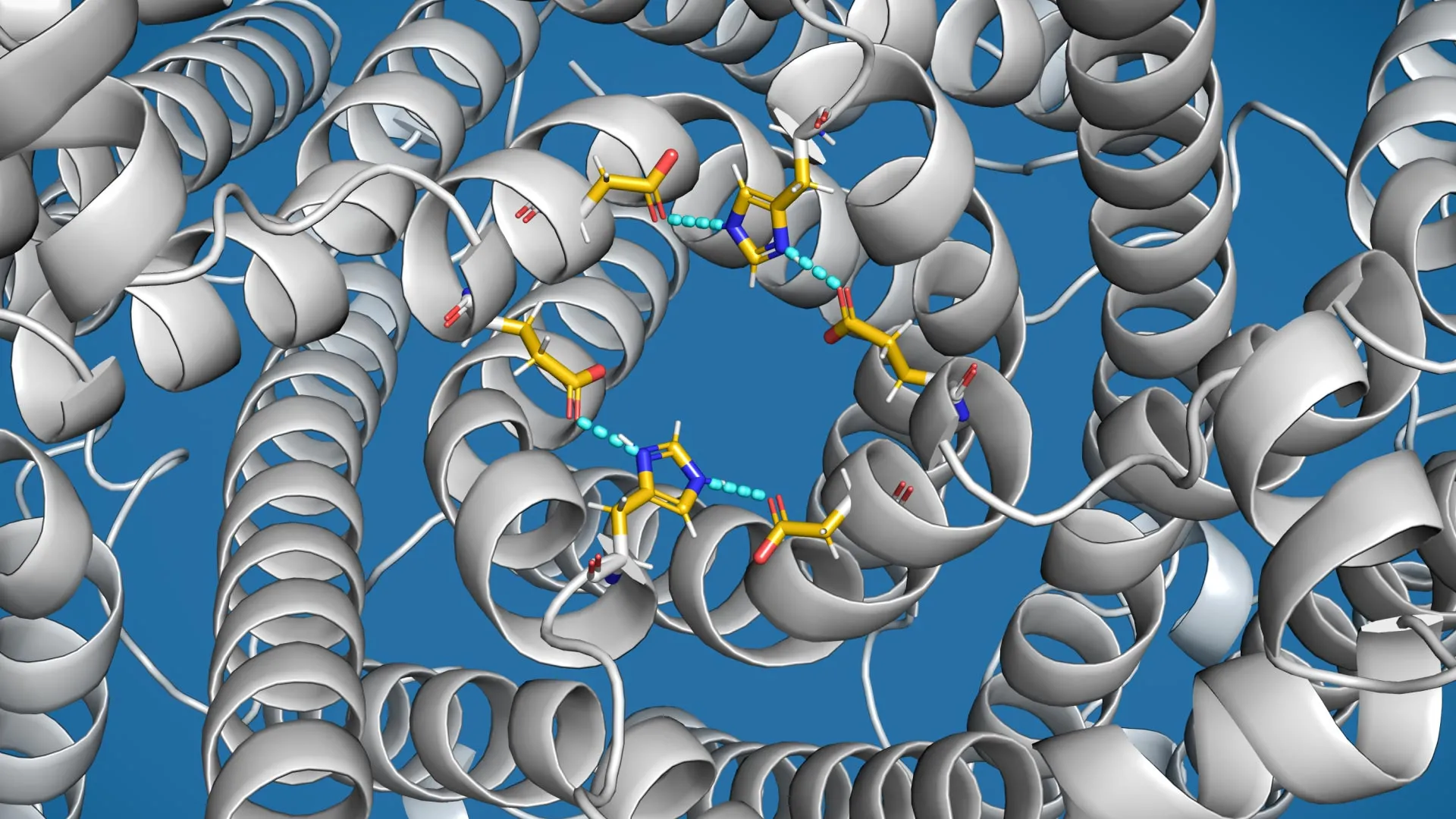
Researchers have uncovered how a mysterious ion channel helps cells break down waste, opening new possibilities for treating Parkinson’s disease. This groundbreaking discovery, detailed in a recent publication in the prestigious journal PNAS (Proceedings of the National Academy of Sciences), illuminates the intricate mechanisms of cellular waste management and offers a tangible target for therapeutic intervention in neurodegenerative disorders. The study, a collaborative effort involving scientists from Bonn-Rhein-Sieg University of Applied Sciences (H-BRS), LMU Munich, TU Darmstadt, and Nanion Technologies, has finally deciphered the long-debated function of the ion channel known as TMEM175, revealing its critical role as a cellular "overflow drain" within the acidic environment of lysosomes.
The Lysosome: A Cell’s Recycling Powerhouse
At the heart of this discovery lies the lysosome, a vital organelle within eukaryotic cells that functions as the cell’s primary recycling and waste disposal center. These membrane-bound sacs are teeming with powerful digestive enzymes capable of breaking down a wide array of cellular debris, including damaged proteins, worn-out organelles, and ingested materials. This catabolic process is essential for maintaining cellular health, providing the building blocks for new cellular components, and removing toxic accumulations.
Crucially, the efficient functioning of lysosomes is intrinsically linked to maintaining a highly acidic internal environment, typically with a pH ranging from 4.5 to 5.0. This acidity is meticulously maintained by specialized proton pumps embedded in the lysosomal membrane, which actively transport hydrogen ions (protons) into the lysosome. However, the precise regulation of this delicate pH balance, preventing it from becoming excessively acidic and damaging the lysosome itself, has remained an area of intense scientific investigation. This is where the newly elucidated function of TMEM175 comes into sharp focus.
TMEM175: A pH-Sensitive Overflow Valve
The research team, co-led by Professor Christian Grimm of LMU Munich and Dr. Oliver Rauh of H-BRS, has provided compelling evidence that TMEM175 acts as a sophisticated pH sensor and regulator within the lysosomal membrane. For years, the precise role and localization of TMEM175, a protein whose name—transmembrane protein 175—reflects its initially obscure nature, were largely unknown. Its involvement in neurodegenerative diseases, particularly Parkinson’s disease, began to emerge through earlier correlational studies, fueling significant interest in unraveling its molecular function.
The prevailing hypothesis, now substantially validated by this study, posits that TMEM175 functions as an ion channel that allows the passage of specific ions across the lysosomal membrane. While initial research suggested it might primarily transport potassium ions, a key component of cellular electrical signaling, the current findings reveal a more complex and critical role: TMEM175 is now understood to conduct both potassium ions and, significantly, protons. This dual ion transport capability positions TMEM175 as a direct participant in the fine-tuning of lysosomal acidity.
"When we started on the project around six years ago, it was assumed that TMEM175 was a potassium channel," stated Dr. Oliver Rauh, who transitioned from TU Darmstadt to H-BRS to lead research within the CytoTransport collaboration. "Its function was completely unknown. We’ve now been able to demonstrate that TMEM175 not only conducts potassium ions, but also protons, and is thus directly involved in the regulation of pH — that is, the proton concentration — in the interior of lysosomes."
The study’s methodology heavily relied on the sophisticated "patch clamp" technique, a cornerstone for measuring electrical currents across cell membranes. Professor Christian Grimm, an expert in these electrophysiological methods, elaborated on their application: "Most of the experiments were conducted using the patch clamp method. This method allowed the team to analyze how the channel behaves under different conditions." These meticulous experiments revealed that TMEM175 exhibits a remarkable sensitivity to changes in the lysosomal environment. Specifically, the channel appears to activate or modulate its proton flow when the internal acidity reaches a critical threshold, effectively acting as an "overflow valve" to prevent excessive acidification.
The Link to Neurodegenerative Diseases: Parkinson’s at the Forefront
The implications of this discovery for neurodegenerative diseases, especially Parkinson’s disease, are profound. Parkinson’s is characterized by the progressive loss of dopaminergic neurons in the substantia nigra region of the brain, leading to motor symptoms such as tremors, rigidity, and bradykinesia. A hallmark of Parkinson’s pathology is the accumulation of misfolded proteins, notably alpha-synuclein, which form Lewy bodies within neurons. Lysosomal dysfunction has been increasingly implicated as a significant contributor to the pathogenesis of Parkinson’s and other neurodegenerative conditions.
When TMEM175 function is compromised, either through genetic mutations or other cellular stressors, the precise regulation of lysosomal pH is disrupted. This disruption can have cascading negative effects. An improperly acidic lysosome may struggle to efficiently degrade its protein cargo, leading to the buildup of toxic protein aggregates. Conversely, if the lysosome becomes too acidic, it can lead to self-damage and cellular dysfunction. In nerve cells, which are particularly sensitive to protein homeostasis, such lysosomal dysregulation can ultimately trigger cell death.
"Our study establishes that the ion channel TMEM175 plays a decisive role here," emphasized Dr. Oliver Rauh. Previous research has already established strong links between impaired lysosomal function and the aging process, as well as neurodegenerative diseases like Parkinson’s. This new research provides a concrete molecular mechanism explaining how these links might operate, highlighting TMEM175 as a central node in this pathway.
A Timeline of Discovery and Future Directions
The journey to understanding TMEM175 has been a protracted one, marked by gradual advancements in scientific understanding and technological capabilities.
- Early Identification (circa early 2000s): The TMEM175 gene was identified through genomic studies, but its protein product’s function remained largely enigmatic. Its designation as a "transmembrane protein" indicated its location within cell membranes, but little else.
- Emerging Links to Disease (mid-2000s onwards): Observational studies began to hint at a correlation between TMEM175 and neurodegenerative disorders, particularly Parkinson’s disease, prompting increased scientific scrutiny.
- Confirmation as an Ion Channel (late 2010s): Research efforts began to confirm that TMEM175 was indeed an ion channel, capable of transporting charged particles across membranes. However, the specific ions transported and the precise physiological context remained debated.
- The Breakthrough Study (published recently in PNAS): The collaborative work by H-BRS, LMU Munich, TU Darmstadt, and Nanion Technologies provided definitive evidence of TMEM175’s dual proton and potassium transport function and its critical role in lysosomal pH regulation. This study represents a significant leap forward, offering a clear molecular mechanism for its involvement in cellular waste disposal and disease.
The implications of these findings extend beyond simply understanding cellular biology; they open promising avenues for therapeutic development. By identifying TMEM175 as a key regulator of lysosomal function and a potential contributor to neurodegeneration, the study provides a tangible target for drug discovery.
Broader Impact and Implications
The discovery that TMEM175 acts as a pH-sensitive proton channel in lysosomes has far-reaching implications for a range of cellular processes and diseases. Beyond Parkinson’s, lysosomal dysfunction is implicated in other neurodegenerative conditions such as Alzheimer’s disease and Huntington’s disease, as well as in metabolic disorders, immune system dysregulation, and aging itself. Understanding how to modulate TMEM175 activity could therefore have a broad therapeutic impact.
"Our findings create an important foundation for a better understanding of functional processes in lysosomes and the function of the TMEM175 channel, which was contested before now," the authors state in their PNAS publication. This foundational knowledge is crucial for the next phase of research: translating these findings into clinical applications.
The development of drugs that can precisely target and modulate TMEM175 activity could offer novel strategies for treating or preventing neurodegenerative diseases. Such therapies might aim to:
- Restore proper lysosomal pH: By enhancing TMEM175 function in individuals where it is impaired, it might be possible to restore the optimal acidic environment required for efficient waste breakdown.
- Prevent the accumulation of toxic aggregates: By improving the cell’s natural waste disposal mechanisms, therapeutic interventions could reduce the buildup of harmful protein deposits that are characteristic of many neurodegenerative diseases.
- Slow or halt disease progression: By addressing a fundamental cellular defect, therapies targeting TMEM175 could potentially slow down or even halt the progression of neurodegeneration, improving the quality of life for affected individuals.
The scientific community has reacted positively to these findings, recognizing their significance. While direct quotes from independent parties were not available at the time of reporting, the publication in PNAS itself signifies a rigorous peer-review process and strong endorsement from leading experts in the field. The detailed characterization of TMEM175’s transport properties and its physiological role marks a substantial advance in the study of ion channels and lysosomal biology.
The research team’s concluding remarks underscore the potential of their work: "At the same time, our insights into the protein TMEM175 offer a promising target structure for the development of drugs to treat or prevent neurodegenerative diseases like Parkinson’s." This statement highlights the direct translational potential of basic scientific research, bridging the gap between fundamental discoveries and the development of life-changing medical treatments. As research progresses, the focus will likely shift towards identifying specific molecular compounds that can safely and effectively interact with TMEM175, paving the way for future clinical trials and, hopefully, new therapeutic options for millions affected by devastating neurodegenerative conditions.