
The retail landscape for personal care has undergone a significant transformation as the "tween" demographic—children aged approximately 9 to 12—and young teenagers increasingly occupy the aisles of major beauty retailers. This shift, often characterized by the viral "Sephora Kid" phenomenon, has raised concerns among dermatologists and parents regarding the appropriateness of complex skincare routines for developing skin. Current market data suggests that the global "baby and child" personal care market is projected to continue its upward trajectory, driven largely by social media influence and a heightened awareness of self-care at younger ages. However, experts emphasize that young skin does not require the potent anti-aging actives, such as retinols or high-percentage hydroxy acids, that are frequently marketed to adults. Instead, the focus for this age group has shifted toward gentle, barrier-friendly basics designed to foster healthy hygiene habits without compromising the integrity of the skin’s natural moisture barrier.

The Evolution of the Tween Beauty Market
Historically, the transition into personal care for adolescents was limited to basic acne treatments and mass-market body sprays. By 2026, the industry has pivoted toward "clean" formulations and sophisticated branding that mirrors adult products while maintaining safety profiles suitable for younger users. The rise of brands like Bubble, BYOMA, and Evereden signifies a departure from the harsh, alcohol-based astringents of previous decades. This evolution is rooted in a better understanding of adolescent skin physiology. During puberty, hormonal shifts increase sebum production, making the skin more prone to congestion. However, the skin barrier remains delicate, and over-exfoliation can lead to chronic sensitivity and dermatitis.
A chronological look at this market shift reveals a distinct timeline. In the early 2010s, the market was dominated by legacy drugstore brands. By 2020, the influence of TikTok began to drive tweens toward luxury "prestige" skincare. In response to the subsequent backlash regarding children using aggressive anti-aging products, 2024 and 2025 saw the emergence of "tween-safe" certifications and brands specifically formulated for "developing skin." This has culminated in the 2026 market standard, where transparency in ingredients and age-appropriateness are the primary selling points for parents.

Essential Sun Protection and Barrier Support
One of the most critical components of a juvenile skincare routine is photoprotection. Dermatological consensus remains that establishing a daily sunscreen habit in childhood is the most effective way to prevent long-term UV damage. The Bubble Solar Mate Invisible Daily Mineral Sunscreen Broad Spectrum SPF 40 has emerged as a category leader in this space. Utilizing 12% non-nano zinc oxide, the product provides physical protection without the endocrine-disrupting concerns sometimes associated with chemical filters. Its formulation includes raspberry seed extract and ginseng root, providing antioxidant support that is gentle enough for sensitive complexions.
Following sun protection, the maintenance of the skin barrier is the secondary pillar of adolescent dermatological health. Brands like Naturium and BYOMA have popularized the use of ceramides, squalane, and urea—ingredients that mimic the skin’s natural lipids. The Naturium Barrier Bounce Collection and the BYOMA Hydrating Milky Moisturizer represent a growing trend of "milky" textures that provide deep hydration without the heavy, occlusive oils that can trigger adolescent acne. These products are designed to "replenish" rather than "resurface," a distinction that is vital for younger consumers whose cell turnover rates are already optimal.

The Role of Influencers and Celebrity Branding
The purchasing power of the tween demographic is heavily influenced by digital content creators. A notable example is the launch of Sincerely Yours, a skincare line developed by YouTube influencer Salish Matter. This brand specifically targets "developing skin," explicitly excluding retinols, harsh alcohols, and synthetic dyes. The Sincerely Yours Fresh Starter 3-Piece Skincare Set serves as a case study in how influencer-led brands are pivoting toward responsibility. By offering a simplified three-step process—cleanser, serum mist, and moisturizer—the brand encourages a manageable routine that emphasizes consistency over complexity.
Industry analysts note that when influencers align with dermatological standards, the safety of the consumer improves. The "Get Ready With Me" (GRWM) culture on platforms like Instagram and TikTok has transformed from a display of luxury products to an educational opportunity, where creators highlight the importance of "barrier-safe" ingredients. This shift is supported by tools like the OnSkin app, which has introduced a "tween and teen-friendly" flagging feature. This digital oversight allows parents to vet products against a database of ingredients known to be sensitizing or inappropriate for children, bridging the gap between viral trends and clinical safety.

Comprehensive Hygiene and Body Care
Beyond facial skincare, the 2026 market has seen an expansion in "head-to-toe" hygiene kits. The JB Skrub Ultimate Skin & Body Kit, co-founded by industry veterans and parents, addresses the holistic needs of active tweens. This kit includes pH-balanced body washes and aluminum-free deodorants, acknowledging that the onset of body odor is often a child’s first entry point into the beauty world.
The shift toward aluminum-free and baking soda-free deodorants, such as the Crystal Magnesium Enriched Deodorant, reflects a broader consumer move toward mineral-based odor protection. Magnesium has become a preferred alternative for younger users, as it effectively neutralizes odor-causing bacteria without the irritation often caused by baking soda or the clinical concerns surrounding aluminum salts in traditional antiperspirants.

Furthermore, the "sensory" experience of beauty—fragrance and texture—remains a high priority for this age group. The Amika Aura Hair and Body Mist and the Jergens Cherry Almond Lotion Bursts represent a trend toward "playful" self-care. The Jergens "bursts," which are heart-shaped, single-use moisturizer units, cater to the tactile interests of younger children while delivering reliable hydration. This gamification of hygiene helps in the development of daily routines that children are more likely to maintain.
Targeted Treatments and Cosmetic Entry Points
While complex makeup routines are often discouraged for young teens, "bridge products" like tinted lip oils have seen significant growth. The Evereden Kids Hydrating Tinted Lip Oil is formulated for ages three and up, utilizing cold-pressed seeds like cherry and cranberry. These products provide the aesthetic satisfaction of a "gloss" while functioning primarily as a treatment for dry skin. This "skincare-first" approach to color cosmetics allows tweens to experiment with their appearance in a way that remains age-appropriate and beneficial to their skin health.

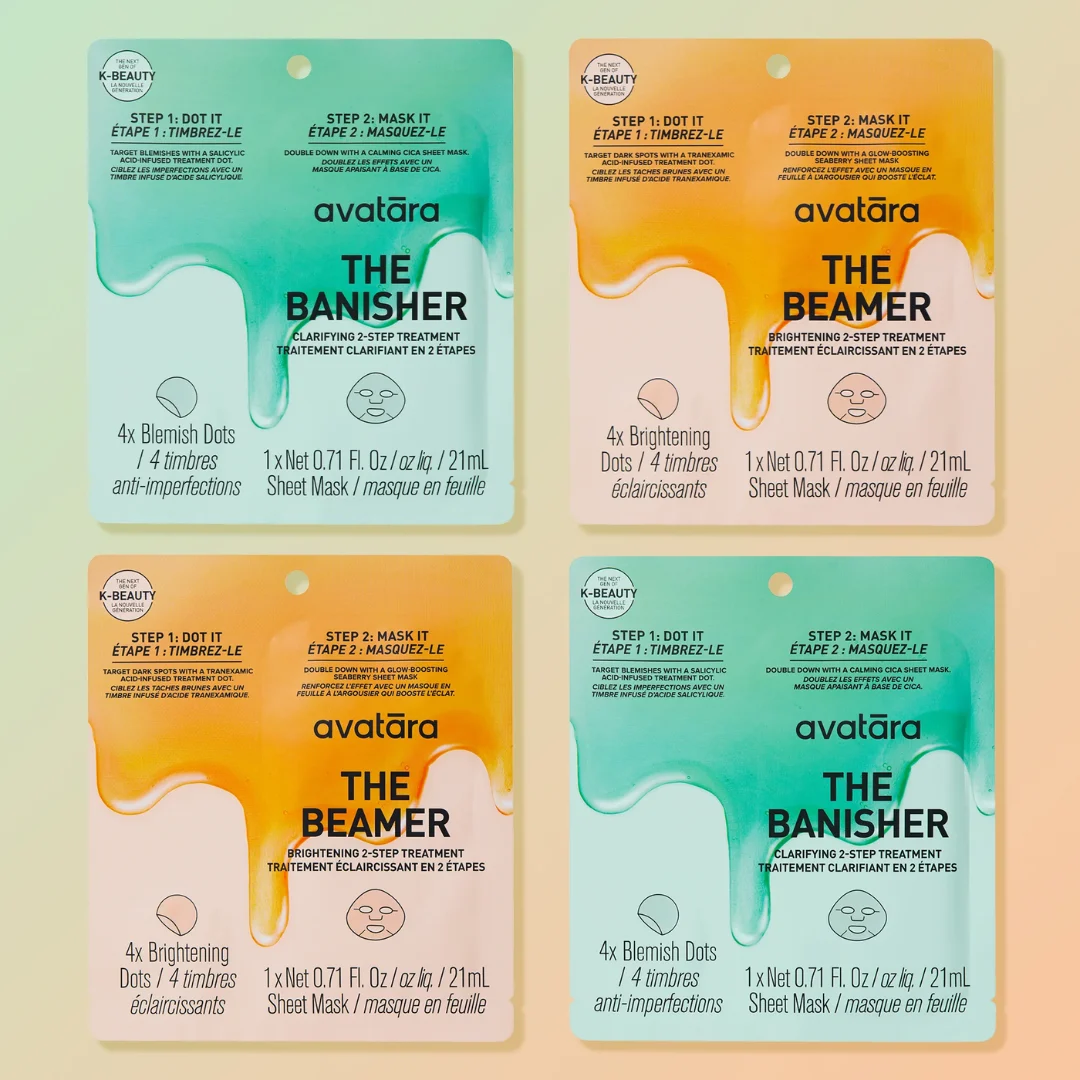
For common adolescent concerns like occasional breakouts, the market has moved away from harsh spot treatments in favor of localized, soothing options. The Avatara 2-Step Treatment and the BTWN Duo Kit emphasize calming ingredients like green tea extract, centella asiatica, and niacinamide. These ingredients help reduce the redness and inflammation associated with puberty-induced blemishes without causing the dryness and peeling that typically result from high-strength benzoyl peroxide or salicylic acid treatments.
Market Implications and Future Outlook
The enrichment of the tween beauty sector carries significant implications for the broader retail industry. Brands are no longer just selling products; they are selling early education in skin health. This "starter kit" mentality ensures brand loyalty that can last into adulthood, but it also places a higher burden of proof on manufacturers to ensure safety.

Data from retail analytics firms suggest that parents are the primary "gatekeepers" of this spending, with 72% of parents surveyed in early 2026 stating they check ingredient lists or use a vetting app before purchasing skincare for their children. Consequently, brands that fail to adopt "clean" or "safe" labeling are losing market share in the adolescent segment.
The long-term impact of this trend is twofold. First, it creates a more informed consumer base that understands the importance of the skin barrier and sun protection from an early age. Second, it forces a regulatory spotlight on the beauty industry to define more clearly what constitutes "child-safe" skincare. As we move further into 2026, the integration of technology, influencer responsibility, and dermatological science is expected to further refine the products available to the next generation of consumers.

In conclusion, the current landscape for tween and teen beauty is defined by a move toward minimalism and protection. By prioritizing products like the BYOMA Hydrating Milky Moisturizer or the Bubble Solar Mate SPF, parents can support their children’s interest in beauty and self-care while ensuring that their skin remains healthy and resilient during these formative years. The focus remains clear: beauty at this age is not about correction, but about the fun and functional foundation of long-term health.

0 Comments