
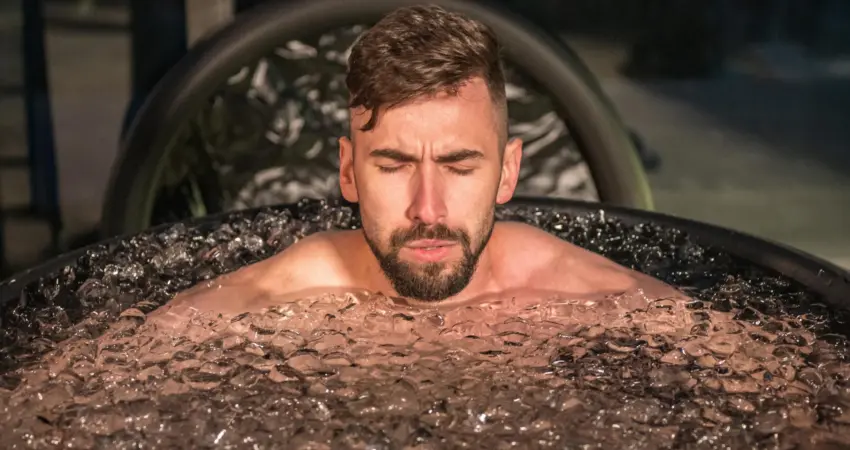
The exhilarating feeling of conquering a challenging workout can quickly dissipate, replaced by the familiar throb of muscle soreness that can linger for days, transforming mundane daily activities into Herculean tasks. In response to this widespread discomfort, a growing number of recreational athletes are embracing recovery strategies once exclusively the domain of elite professionals. The influence of social media and professional sports has propelled a wave of popularization for techniques ranging from bone-chilling ice baths and constricting compression garments to therapeutic massages and a plethora of recovery supplements. While these products and practices often boast of accelerating recuperation, diminishing soreness, and enhancing performance, a closer examination of the scientific evidence reveals a more complex and nuanced reality.
The Allure of Ice Baths: Cooling Inflammation vs. Hindering Adaptation
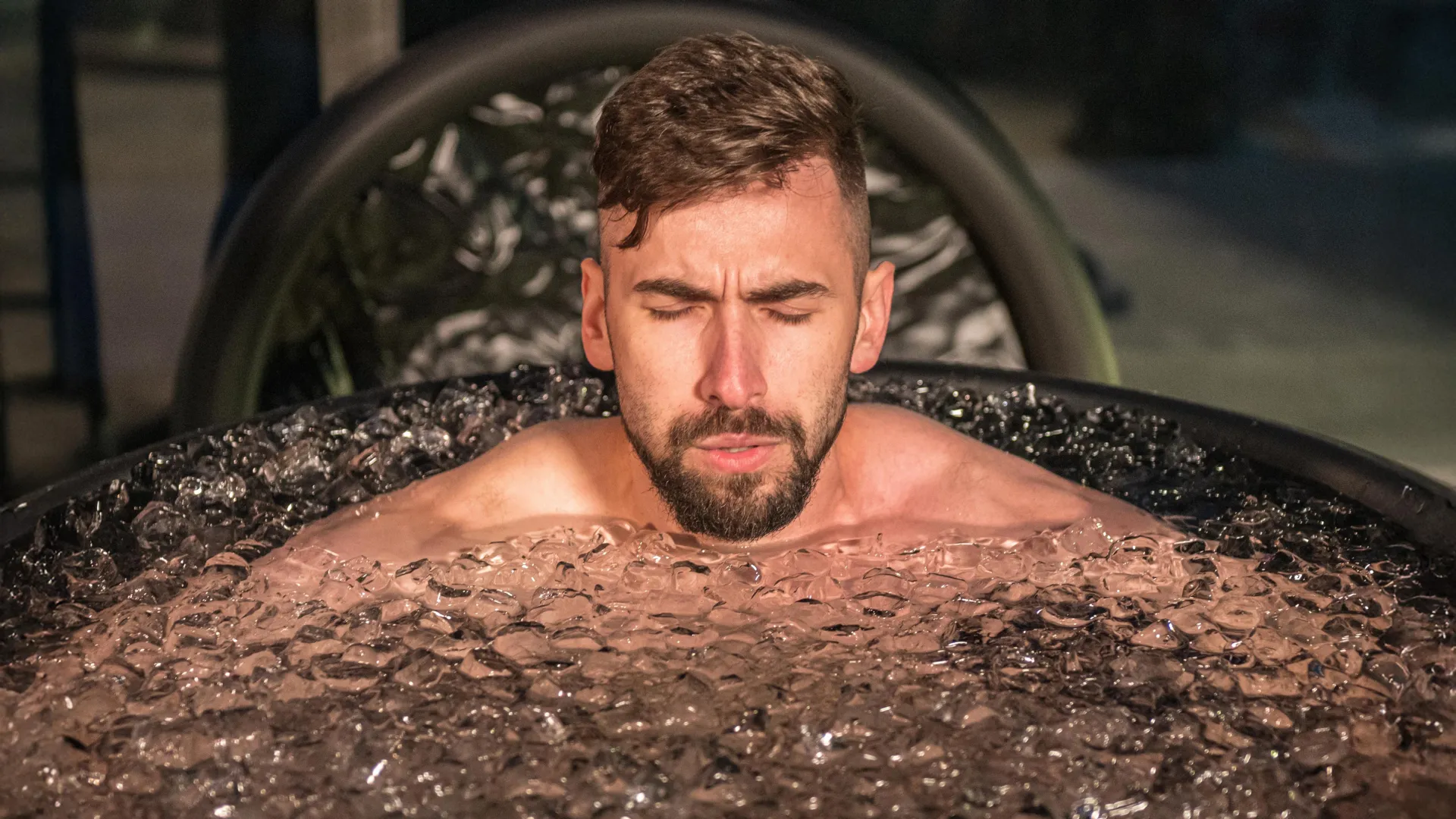
Among the most visually striking and widely discussed recovery methods is the ice bath. This practice, involving immersion in water below 15°C (59°F), is promoted for its purported ability to accelerate recovery. However, the scientific consensus on its efficacy is far from settled. Research does indicate that cold water immersion can help reduce inflammation, a key contributor to muscle soreness. A meta-analysis published in Sports Medicine in 2020, encompassing data from multiple studies, found that cold water immersion significantly reduced delayed onset muscle soreness (DOMS) and improved subjective feelings of recovery in the 24 hours following intense exercise. This immediate relief can be a powerful draw for individuals seeking quick respite from post-exercise discomfort.
The catch, however, lies in the physiological role of inflammation. While it causes pain, inflammation is also a crucial trigger for the adaptive processes that lead to muscle growth and strength gains. By aggressively dampening this inflammatory response, regular use of ice baths may inadvertently blunt some of the long-term benefits of training. A 2015 study published in the Journal of Physiology suggested that repeated cold water immersion after resistance training could impair muscle hypertrophy and strength gains over time compared to passive recovery. This implies a potential trade-off: sacrificing short-term pain relief might mean sacrificing long-term physiological adaptations. Therefore, the strategic application of ice baths, perhaps reserved for situations where rapid recovery is paramount, such as between competitive events, appears more scientifically justifiable than routine, daily use.
Compression Garments: The Illusion of Enhanced Circulation
Compression garments, from sleek leggings to form-fitting tops, have become a ubiquitous sight in gyms and training facilities. The underlying principle is that the external pressure they exert enhances blood circulation, facilitating the removal of metabolic waste products and reducing swelling. Proponents argue that improved blood flow to the muscles aids in faster recovery and reduced DOMS.
While studies have demonstrated that compression garments can indeed improve circulation and blood flow post-exercise, the direct link to enhanced muscle recovery and performance remains less convincing. A 2022 study published in Scientific Reports compared the effects of compression garments with a placebo tablet designed to mimic the perceived benefits of compression. The findings indicated that the compression garments measurably improved circulation and muscle blood flow, suggesting that their effects were physiological and not solely attributable to the placebo effect. However, the study also noted that these physiological changes did not necessarily translate into significant improvements in objective measures of muscle function or performance.
This dichotomy suggests that while compression garments may offer a tangible physiological benefit in terms of circulation, their primary impact on perceived recovery might be psychological. The feeling of support and constriction could create a sensation of being "held together," leading to a subjective feeling of better recovery, even if the actual restoration of muscle function is not dramatically accelerated. The evidence for meaningful improvements in muscle recovery, independent of perceived comfort, remains a more elusive target for compression wear.
Massage: Easing Discomfort, Not Necessarily Restoring Peak Performance
Massage therapy has long been a cornerstone of athletic recovery, and its benefits are among the most consistently supported by scientific evidence. Numerous studies indicate that massage can effectively reduce muscle soreness and improve perceived recovery after exercise. A comprehensive review in the Journal of Sports Medicine and Physical Therapy in 2020 highlighted that massage interventions frequently lead to reduced pain and improved subjective ratings of fatigue and recovery.
The precise biological mechanisms driving these benefits are still under investigation. However, it is theorized that massage works by reducing muscle stiffness, improving local blood flow, and promoting relaxation through the release of endorphins and other neurochemicals. These effects can contribute to a general sense of well-being and reduced discomfort, making it easier for individuals to return to their training routines.
Despite these positive outcomes in terms of perceived recovery and pain reduction, objective measures of performance and muscle function following massage often show modest and inconsistent improvements. While athletes may feel less sore and more prepared to train, massage is unlikely to be a panacea for restoring peak physiological capacity immediately after strenuous activity. Its strength lies in its ability to alleviate the discomfort associated with exercise, thereby facilitating more consistent training over time, rather than in dramatically enhancing immediate post-exercise performance metrics.
The Murky Waters of Recovery Supplements: Separating Fact from Fiction
The nutrition supplement market is a colossal industry, with countless brightly colored products promising rapid recovery and reduced soreness. However, the efficacy of many of these offerings is often more a matter of marketing hype than robust scientific validation.
Whey Protein: This well-researched supplement, derived from milk, is rich in amino acids, the building blocks of protein. It has been shown to stimulate muscle protein synthesis, the fundamental process by which muscles repair and grow. Multiple meta-analyses, including one published in the British Journal of Sports Medicine in 2013, have concluded that whey protein supplementation can provide small to moderate benefits for muscle recovery. However, evidence for its direct impact on alleviating soreness is less consistent.
Branch Chain Amino Acids (BCAAs): BCAAs – leucine, isoleucine, and valine – are popular supplements often touted for their ability to "switch on" protein synthesis, primarily due to leucine. However, despite their widespread use, research suggests that BCAAs are less effective for muscle recovery than complete protein sources. Muscle repair requires all essential amino acids, not just those found in BCAAs. Whole food sources like chicken, beef, salmon, and tofu provide a complete spectrum of essential amino acids necessary for optimal muscle protein synthesis and repair. A 2023 review in Nutrients highlighted that while BCAAs might offer some benefits, their impact is often overshadowed by the superior anabolic signaling of complete proteins.
Tart Cherry Juice: This emerging supplement has garnered attention for its rich polyphenol content, compounds with purported anti-inflammatory and antioxidant properties. Research suggests that tart cherry juice can have small to moderate effects on reducing muscle soreness and may aid in restoring muscular strength and power post-exercise. A 2021 systematic review in the Journal of the International Society of Sports Nutrition indicated positive effects on reducing muscle damage and soreness, though more high-quality studies are needed to solidify these findings.
Omega-3 Fatty Acids (Fish Oil): Often promoted for their anti-inflammatory benefits, omega-3 supplements have been investigated for their potential to accelerate recovery. Some studies suggest modest reductions in muscle soreness and preservation of muscle function after strenuous exercise. However, the results are far from consistent, and it is unlikely that omega-3 supplementation alone will dramatically improve recovery outcomes. A 2024 review in the Journal of Sports Science and Medicine concluded that while omega-3s might offer some benefits, their effect on athletic performance and recovery is not consistently significant.
Crucially, the nutrients found in these supplements can largely be obtained from a balanced, whole-food diet. Scientific consensus strongly favors obtaining these essential building blocks from whole foods, which offer a complex matrix of micronutrients and fiber that can work synergistically to support overall health and recovery, often at a fraction of the cost of specialized supplements.
The Pillars of Effective Recovery: Back to Basics
The overarching takeaway from the scientific literature is that while popular recovery techniques might offer some subjective relief from soreness, their impact on actual muscle function restoration is often limited. The most robust evidence for effective recovery points towards fundamental, often overlooked, strategies. These include:
- Adequate Sleep: During sleep, the body undergoes critical repair and rebuilding processes. Quality sleep is paramount for hormonal regulation, muscle repair, and cognitive function recovery. The National Sleep Foundation recommends 7-9 hours of sleep per night for adults.
- Balanced Nutrition: A diet rich in lean protein, complex carbohydrates, and healthy fats provides the necessary building blocks and energy for muscle repair and replenishment of glycogen stores. Post-exercise nutrition, particularly protein intake within a few hours of training, is vital for initiating muscle protein synthesis.
- Hydration: Proper hydration is essential for all bodily functions, including nutrient transport, waste removal, and thermoregulation. Dehydration can exacerbate muscle soreness and impair recovery.
- Active Recovery: Light physical activity, such as walking or gentle cycling, on rest days can promote blood flow, aid in the removal of metabolic byproducts, and reduce muscle stiffness without imposing further stress on the body.
The implication is clear: while the allure of a quick fix through specialized recovery aids is understandable, true and sustainable recovery is a multifaceted process deeply rooted in fundamental physiological needs. The notion that recovery can be easily bottled and sold often overshadows the consistent, evidence-based practices that form the bedrock of athletic performance and well-being. The focus on expensive, often unproven, interventions distracts from the readily available and scientifically validated strategies that truly empower the body to adapt and rebuild after strenuous exertion.

0 Comments