
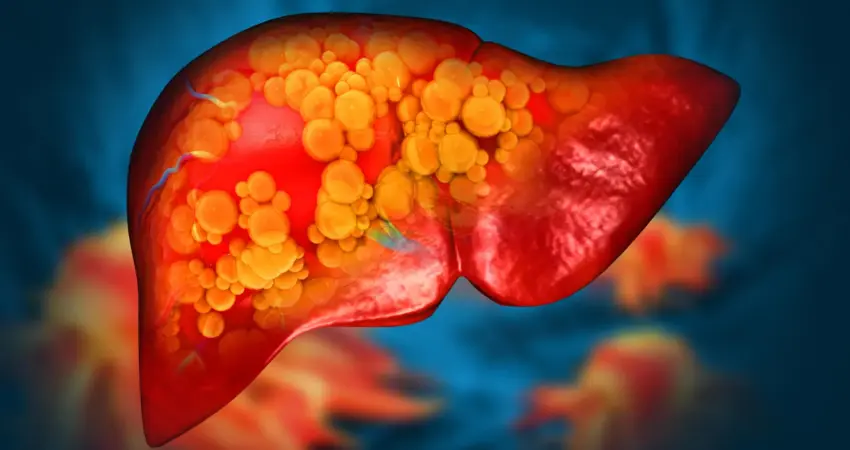
A groundbreaking experimental drug, DT-109, developed by researchers at Michigan Medicine, has demonstrated remarkable success in reversing a severe form of fatty liver disease, known as metabolic dysfunction-associated steatohepatitis (MASH), in animal studies. The novel therapeutic approach targets an unexpected yet critical source of liver damage: the gut. By modulating the gut microbiome, reinforcing the intestinal lining, and curbing the influx of inflammatory substances, DT-109 offers a promising new avenue for treating a condition that affects millions worldwide and for which effective therapies remain limited.
The findings, published in the prestigious Journal of Clinical Investigation, detail how DT-109, a glycine-based tripeptide, interrupts a vicious cycle where gut dysbiosis—an imbalance of intestinal bacteria—leads to increased liver inflammation and damage. This research represents a significant paradigm shift in understanding and treating MASH, moving beyond solely focusing on the liver itself to address its intricate connection with the gastrointestinal tract, a concept known as the gut-liver axis.
The Growing Burden of MASH
Metabolic dysfunction-associated steatohepatitis (MASH) is a significant public health concern, impacting an estimated 7% of the global population. It is characterized by the excessive accumulation of fat in the liver, leading to chronic inflammation and cellular injury. If left unaddressed, MASH can progress insidiously to cirrhosis, a state of irreversible liver scarring, and subsequently increase the risk of liver cancer and liver failure. While advancements in diagnosis and management have been made in recent years, the development of targeted and curative treatments has lagged behind the escalating prevalence of the disease.
"We see clear evidence that DT-109 protects the gut epithelial barrier, reducing the systemic influx of harmful microbial products that are thought to contribute to MASH development and progression," stated Dr. Eugene Chen, M.D., Ph.D., the senior author of the study and the Frederick G. L. Huetwell Professor of Cardiovascular Medicine at the University of Michigan Medical School. "This compound shows benefits to the gastrointestinal system and has great potential as a treatment for MASH."
Unraveling the Gut’s Role in Liver Disease
The research team, led by Dr. Chen, had previously established DT-109’s efficacy in improving MASH in animal models. However, the precise mechanisms by which this small molecule, composed of three amino acids, exerted its protective effects remained an area of intense investigation. The latest study elucidates this complex interplay, revealing how disruptions in the gut environment can trigger a cascade of events detrimental to liver health.
A key discovery in the research was the confirmation of an overgrowth of Clostridium perfringens, a bacterium known to produce ammonia, within the intestines of MASH-affected animals. Elevated ammonia levels can compromise the integrity of the intestinal lining, the gut’s primary defense mechanism against the leakage of potentially harmful substances into the bloodstream. This compromised barrier, often referred to as increased intestinal permeability or "leaky gut," allows microbial toxins and inflammatory molecules to translocate to the liver.
Once in the liver, these translocated substances can trigger persistent inflammation and activate immune responses that exacerbate liver damage. A critical aspect of this inflammatory cascade involves the overactivation of CD8+ T cells, a type of immune cell that, when unchecked, can contribute to the inflammatory processes characteristic of MASH. The findings underscore that a disease seemingly confined to the liver can be profoundly influenced by conditions originating in the digestive tract.
DT-109: A Dual-Action Therapeutic for Gut and Liver Health
Through a meticulous series of in vitro and in vivo experiments, researchers identified DT-109’s multifaceted mechanism of action. The compound actively improves the intestinal environment by reducing the proliferation of harmful bacteria like Clostridium perfringens and subsequently lowering ammonia production. Concurrently, it fortifies the intestinal epithelial barrier, effectively preventing the leakage of inflammatory microbial products into the systemic circulation.
The results were particularly compelling in nonhuman primates, whose digestive and hepatic systems share greater physiological similarities with humans than those of rodents. In these primates, DT-109 treatment led to a significant reduction in liver inflammation and a notable amelioration of MASH severity. This translation of benefits from animal models to a species more closely resembling humans offers a strong preclinical validation for DT-109’s therapeutic potential.
"DT-109 connects microbiota modulation with liver protection by restoring gut barrier integrity and limiting the systemic translocation of ammonia and other pro-inflammatory microbial products within the gut-liver axis," explained Jifeng Zhang, Ph.D., a co-author of the study and research professor of cardiovascular medicine at U-M Medical School. "We also found that DT-109 primarily acts in the gastrointestinal tract, but its reach stretches much further."
The gut-liver axis is a bidirectional communication network where the gut’s microbial ecosystem and barrier function directly influence liver health. Substances absorbed from the intestines are transported directly to the liver via the portal vein, making the liver particularly vulnerable to any dysregulation within the gut. By intervening at this critical junction, DT-109 aims to address the root causes of liver inflammation rather than solely managing the consequences of existing damage.
Beyond Fatty Liver: Potential for Broader Therapeutic Applications
The researchers posit that DT-109’s ability to enhance gut barrier function could extend its therapeutic utility to a range of other conditions characterized by inflammation and metabolic dysfunction. Previous studies have already indicated DT-109’s beneficial effects on cardiovascular health, including its capacity to reduce the formation of atherosclerotic plaques and prevent vascular calcification in nonhuman primates. Atherosclerosis, the buildup of fatty deposits in artery walls, and vascular calcification, the hardening of blood vessels due to calcium buildup, are major contributors to cardiovascular disease.
The interconnectedness of metabolic disorders, which often affect multiple organ systems, makes DT-109 a candidate for addressing both liver and cardiovascular complications simultaneously. This is particularly significant as patients with MASH often have co-existing cardiovascular risk factors and conditions.
Furthermore, the researchers are exploring DT-109’s potential in managing inflammatory bowel disease (IBD), a group of chronic gastrointestinal disorders including Crohn’s disease and ulcerative colitis. Given that impaired intestinal barrier function is a known contributor to IBD pathogenesis, a therapeutic agent capable of reinforcing this barrier could offer substantial benefits to patients suffering from these debilitating conditions. However, extensive further research will be necessary to confirm DT-109’s efficacy in these specific indications.
The Path Forward: Human Trials and Future Implications
While the preclinical data on DT-109 are highly encouraging, it remains an experimental treatment. The successful reversal of MASH in animal models represents a critical milestone, but its safety and efficacy in humans are yet to be determined. The next crucial phase of research will involve comprehensive evaluations leading to human clinical trials. These trials will be instrumental in establishing DT-109’s pharmacokinetic and pharmacodynamic profiles, identifying optimal dosages, assessing its safety, and ultimately confirming its therapeutic benefits for patients.
"This study presents novel evidence about the pathogenesis of MASH and provides excitement about a therapeutic avenue to explore for a condition that remains difficult to treat," commented Elliot Tapper, M.D., Academic Director of Hepatology at Michigan Medicine. "What patients with MASH need is a safe and effective therapy capable of improving their liver and heart health – of course we are excited about these developments."
The discovery of DT-109’s mechanism signifies a crucial evolution in the approach to treating fatty liver disease. By targeting the gut microbiome and bolstering intestinal barrier function, scientists are developing strategies that address the fundamental drivers of liver inflammation from outside the organ itself. Should future human studies corroborate the promising results observed in animal models, DT-109 could emerge as a transformative therapeutic option for individuals battling severe fatty liver disease, potentially offering co-benefits for cardiovascular health as well.
Funding and Declarations
The development and research surrounding DT-109 have been supported by various entities. Ying Zhao, Oren Rom, Jifeng Zhang, and Y. Eugene Chen are listed as inventors on a patent application titled "Tripeptides and treatment of metabolic, cardiovascular, and inflammatory disorders." Dr. Chen is also an inventor of DT-109. The University of Michigan holds the patent for the compound and has licensed it to Diapin Therapeutics, a company that supplied DT-109 for the research and is continuing its development. Both Dr. Chen and the university have an ownership interest in Diapin Therapeutics.
Ethical approvals for human study protocols were secured from Institutional Review Boards at participating sites, including the First Affiliated Hospital of Xi’an Jiaotong University (approval number: XJTU1AF2023LSK330), the Institutional Review Board of Jinan University (approval number: 2016-017), and the University of Hong Kong/Hospital Authority Hong Kong West Cluster (approval number: UW 20-700). All experimental procedures involving nonhuman primates received approval from the Laboratory Animal Care Committee of Xi’an Jiaotong University (approval number: 20191278) and the Institutional Animal Care and Use Committee of Spring Biological Technology Development Co., Ltd. (approval number: 201901), adhering to the National Institutes of Health Guide for the Care and Use of Laboratory Animals.

0 Comments