
Late-Night Eating Linked to Significantly Higher Risk of Liver Disease, OHSU Study Reveals
A groundbreaking study from Oregon Health & Science University (OHSU) has unveiled a compelling correlation between late-night eating habits and a substantially elevated risk of developing liver disease, including metabolic dysfunction-associated steatotic liver disease (MASLD), commonly known as fatty liver disease, and cirrhosis. The findings, published in the prestigious journal Clinical Gastroenterology and Hepatology, suggest that the timing of food consumption, not just its caloric content, may play a crucial role in safeguarding liver health. This research challenges conventional wisdom by highlighting the potential detrimental impact of consuming meals close to bedtime, adding a new dimension to our understanding of metabolic health and its intricate relationship with our body’s internal biological clocks.
The OHSU investigation analyzed data from nearly 200,000 individuals across three major nationwide health studies: the Nurses’ Health Study, the Nurses’ Health Study II, and the Health Professionals Follow-up Study. Participants provided detailed information on their dietary patterns, daily routines, and various lifestyle factors over extended periods. Researchers meticulously categorized individuals based on their typical eating schedules, specifically noting those who regularly consumed food after dinner or even after their usual bedtime. This comprehensive approach allowed for a robust comparison of eating habits against reported incidences of fatty liver disease and cirrhosis.
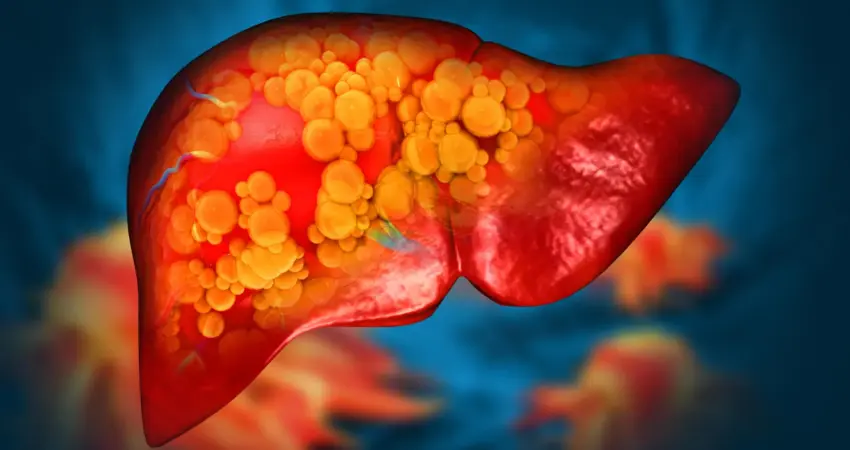
The results painted a clear and concerning picture: individuals who habitually ate late in the evening exhibited a 20% to 30% higher risk of developing liver disease compared to their counterparts who adhered to earlier eating schedules. This association held true even when accounting for other known risk factors. The implications of this finding are far-reaching, particularly given the alarming prevalence of fatty liver disease, which affects an estimated 30% of the U.S. population. MASLD, characterized by the accumulation of excess fat in the liver, can progress to inflammation, liver damage, and ultimately, the severe scarring known as cirrhosis. While not all cases of fatty liver disease advance to serious stages, the sheer number of affected individuals underscores the public health significance of this new evidence.
A Deeper Dive into the OHSU Study and Its Findings
The OHSU study represents one of the most extensive analyses to explicitly link late-night eating patterns with the development of fatty liver disease. Lead author Robert Wilechansky, M.D., a hepatologist at OHSU specializing in liver transplantation, emphasized the significance of this long-term observational research. "A few studies have hinted at this idea, but this is among the first long-term analyses to explicitly draw the connection to fatty liver disease," Dr. Wilechansky stated in a press release. "It’s important to remember, of the people who developed fatty liver disease, only a small fraction develop serious forms of the condition like liver cirrhosis. Even so, the big take-away here is that confining your calorie intake to several hours before bedtime might be beneficial."
The study’s methodology involved a careful examination of self-reported data, allowing researchers to identify trends and associations. Participants were grouped based on their reported meal timing, and these patterns were then cross-referenced with medical records indicating diagnoses of MASLD and cirrhosis. The consistency of the observed association across a large and diverse cohort lends significant weight to the findings.
The Biological Underpinnings: Circadian Rhythms and Liver Function
The researchers propose that the body’s intricate circadian rhythms – the internal biological clocks that govern our sleep-wake cycles, metabolism, and numerous other physiological processes – may hold the key to understanding this link. The liver is a central player in regulating metabolism, processing nutrients, managing blood sugar levels, and controlling energy storage and utilization. These functions are intrinsically tied to our circadian timing. When we eat during periods when our body is biologically programmed for rest and repair, it may disrupt these finely tuned metabolic processes.
Dr. Wilechansky’s interest in this phenomenon was partly sparked by observations in night shift workers. This population, whose work schedules inherently conflict with natural circadian rhythms, often experiences higher rates of obesity and cardiovascular disease. This led to the hypothesis that irregular eating times, independent of diet composition, could contribute to metabolic disturbances, including those affecting the liver. "We know the liver is very much in tune with the body’s circadian rhythms," Dr. Wilechansky explained. "So we’re interested in changing the timing of eating in a way that could make a difference in health without changing the composition of what people eat." This perspective is particularly encouraging, as altering meal timing might be a more accessible behavioral change for some individuals than undertaking a drastic dietary overhaul.
Andrew McHill, Ph.D., a co-author of the study and an associate professor specializing in sleep and circadian physiology at OHSU, underscored the broader implications of the findings. "We are seeing over and over again that the timing of behaviors, whether it’s sleep, eating, or exercise, really matters," Dr. McHill commented. "For example, we have shown that eating during the night, when the internal biological clock is promoting sleep, reduces the ability of your body to metabolize foods as efficiently and can eventually lead to obesity, diabetes, and now poor liver health."
Previous animal studies have also highlighted the liver’s particular vulnerability to disruptions in the synchronized relationship between eating and sleeping patterns, further supporting the biological plausibility of the OHSU team’s conclusions.
Implications for Public Health and Future Research
While the OHSU study establishes a strong association between late-night eating and increased liver disease risk, the researchers are careful to point out that this observational study cannot definitively prove causation. The reliance on self-reported eating habits, which can be subject to recall bias and varying levels of detail, represents a limitation. Furthermore, other unmeasured lifestyle factors or genetic predispositions could also contribute to the observed correlation.
However, the robustness of the findings across a large cohort warrants further investigation. The OHSU team is already actively engaged in a follow-up clinical study designed to address these limitations. This new research will involve directly monitoring participants’ meal timing and assessing whether intentionally shifting food consumption to earlier hours leads to measurable improvements in individuals already diagnosed with fatty liver disease. The outcomes of this controlled study could provide critical evidence to determine if meal timing deserves a place alongside established strategies for managing metabolic and liver health.
The broader implications of this research are significant. If further studies confirm a causal link, public health recommendations could evolve to include specific guidance on meal timing, potentially offering a novel and accessible avenue for disease prevention and management. The idea that simply allowing the body more time between its last meal and bedtime could be a protective measure is an appealing prospect for many.
The authors of the study concluded their findings by stating, "Our findings add to the growing body of literature linking late-evening eating patterns to adverse metabolic and liver outcomes." This research adds a crucial piece to the complex puzzle of metabolic health, emphasizing that the "when" of eating may be as important as the "what."
The research team included Kevin Casey, M.P.H., Andrew Chan, M.D., Ph.D., and Tracey Simon, M.D., from Massachusetts General Hospital in Boston, in addition to Dr. Wilechansky and Dr. McHill. The study was supported by a grant from the American Association of the Study of Liver Diseases Foundation.
Background Context: The Growing Epidemic of Liver Disease
The findings of the OHSU study emerge against a backdrop of increasing concern over liver disease prevalence worldwide. Fatty liver disease, in particular, has become a major public health challenge, often termed the "silent epidemic" due to its asymptomatic nature in its early stages. Historically, liver disease was predominantly associated with alcohol abuse or viral hepatitis. However, the rise in obesity rates and sedentary lifestyles over the past few decades has led to a dramatic increase in non-alcoholic fatty liver disease (NAFLD), now referred to as metabolic dysfunction-associated steatotic liver disease (MASLD) to better reflect its metabolic origins.
MASLD encompasses a spectrum of liver conditions, ranging from simple steatosis (fat accumulation) to non-alcoholic steatohepatitis (NASH), which involves inflammation and liver cell damage, and can ultimately progress to fibrosis, cirrhosis, and hepatocellular carcinoma (liver cancer). The economic and social burden of MASLD is substantial, with increasing numbers of liver transplants being performed due to end-stage liver disease.
Previous research has established strong links between MASLD and other metabolic derangements, such as obesity, type 2 diabetes, dyslipidemia (abnormal blood lipid levels), and hypertension. These conditions are often grouped together as "metabolic syndrome," a cluster of risk factors that significantly increase the likelihood of cardiovascular disease and type 2 diabetes. The OHSU study now adds a critical temporal dimension to this complex interplay, suggesting that the timing of our food intake may be a modifiable factor influencing the development and progression of MASLD.
Timeline of Related Research and Emerging Understanding
The scientific understanding of how meal timing affects health has evolved significantly over the past few decades. Early research often focused primarily on the quantity and quality of food consumed. However, the burgeoning field of chrononutrition, which studies the relationship between time and eating, has gained considerable traction.
- 1980s-1990s: Initial studies began to explore the impact of eating patterns on sleep and metabolism, with a growing awareness of the body’s internal clock.
- Early 2000s: Research on night shift workers provided compelling evidence of the adverse health effects of circadian disruption, including increased risks of obesity and metabolic syndrome.
- 2010s: Animal studies increasingly demonstrated the liver’s sensitivity to meal timing, showing how eating outside of the typical active period could lead to fat accumulation and metabolic dysfunction. Human observational studies began to explore associations between late-night eating and weight gain.
- Late 2010s – Present: The OHSU study represents a significant advancement by specifically focusing on the link between late-night eating and liver disease in a large human cohort, providing quantitative risk estimates. Ongoing and future research, including controlled clinical trials, aims to solidify these findings and explore therapeutic interventions.
This chronological progression highlights a shift in scientific focus from solely what we eat to also considering when we eat, underscoring the intricate and interconnected nature of our physiological processes.
Broader Impact and Future Directions
The implications of the OHSU study extend beyond individual dietary choices, potentially influencing public health guidelines and clinical practice. If confirmed by further research, advocating for earlier meal timing could become a cornerstone of preventative strategies for liver disease and other metabolic disorders. This approach offers a promising avenue for intervention, particularly for individuals who struggle with more complex dietary changes.
For healthcare professionals, the findings may prompt a more thorough inquiry into patients’ eating schedules, particularly for those at risk of or already diagnosed with fatty liver disease. Integrating meal timing considerations into patient counseling could become a standard practice.
The research also opens doors for further exploration into the specific mechanisms by which late-night eating impacts liver health. Investigating the molecular pathways involved in circadian clock regulation within liver cells, the influence on bile acid metabolism, and the impact on gut microbiota composition could yield deeper insights and potentially lead to targeted therapies.
In conclusion, the research from Oregon Health & Science University provides compelling evidence that the timing of our meals is not merely a matter of preference but a critical factor in maintaining liver health. As our understanding of the intricate interplay between our internal biological clocks and our eating habits continues to grow, embracing earlier eating patterns may emerge as a simple yet powerful strategy to protect our vital organs.

0 Comments