
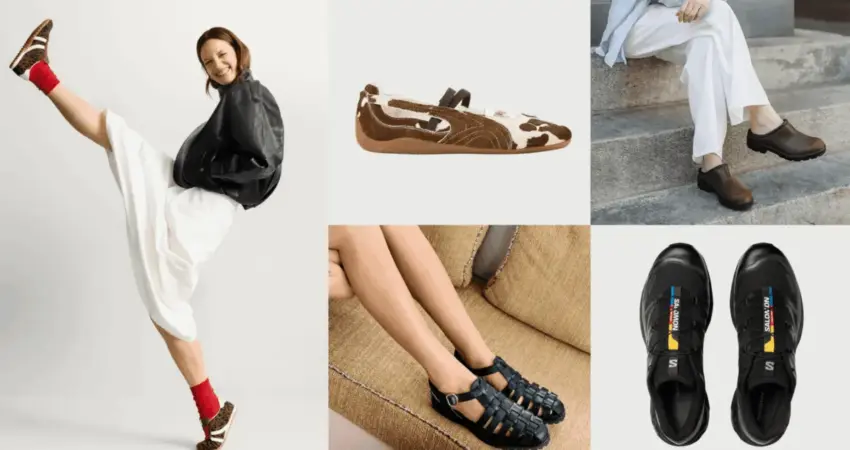
Travel logistics frequently center on the optimization of limited space, a challenge most acutely felt in the selection of footwear. For professional travelers and editorial staff at major travel publications, the search for the "perfect" shoe is not merely a matter of aesthetic preference but a rigorous pursuit of ergonomic performance, durability, and versatility. As global tourism continues its post-pandemic recovery—with international arrivals expected to reach 1.5 billion in 2024—the demand for high-performance walking shoes that transition seamlessly from airport terminals to cobblestone streets has never been higher. According to market analysis, the global footwear market is projected to exceed $500 billion by 2030, driven largely by the "athleisure" and "gorpcore" trends, which prioritize functional outdoor gear for everyday urban use.
The Strategic Importance of Footwear in Modern Travel
The selection of travel footwear requires a balance between two often-competing priorities: comfort and style. In a field-testing environment conducted by travel editors across various terrains—from the humid streets of San Juan to the rainy sidewalks of London—the criteria for excellence are stringent. A successful travel shoe must provide adequate arch support, prevent the formation of blisters, and require minimal "break-in" time. Furthermore, in an era of strict carry-on weight limits, a shoe must be versatile enough to serve multiple purposes, reducing the need for multiple pairs.
The following analysis categorizes the top-performing footwear based on longitudinal testing by industry experts, supported by technical specifications and market context.
The Evolution of the Casual Travel Sneaker
The casual sneaker segment has seen a significant shift toward heritage designs and minimalist aesthetics. This trend is best exemplified by the resurgence of the Adidas Samba OG. Originally released in 1950 as a football shoe designed for icy pitches, the Samba has evolved over seven decades to become a staple of global street style. Editorial feedback emphasizes its longevity; testers reported wearing single pairs for over a decade before requiring replacement. Its leather upper and rubber outsole provide a low-profile look that matches both casual and semi-formal attire, making it a high-value item for travelers seeking to minimize their packing list.

Similarly, the New Balance 574 Core has maintained its relevance since its introduction in the late 1980s. As the "dad shoe" aesthetic moved from a niche subculture to mainstream fashion, the 574 became a symbol of reliable comfort. Technical analysis shows that the shoe’s combination of suede and mesh offers breathability while the ENCAP midsole technology provides a durable rim of polyurethane with a soft EVA core, ensuring stability during long hours of city exploration.
For travelers prioritizing modern innovation, the Atoms Model 001 represents the next generation of casual footwear. These shoes incorporate an antimicrobial copper-threaded lining designed to neutralize odor-causing bacteria—a critical feature for travelers who may wear the same pair of shoes for 12 to 14 hours a day. The use of stretchy laces allows for a "slip-on" feel while maintaining the secure fit of a traditional lace-up, addressing the need for efficiency at airport security checkpoints.
High-Performance Athletic Footwear and Technical Hiking Gear
When travel itineraries involve rugged terrain or significant physical exertion, athletic shoes with advanced cushioning become essential. Hoka has emerged as a leader in this category, with the Clifton 11 being cited as a top choice for high-mileage days. Hoka’s signature oversized midsole provides maximalist cushioning that reduces the impact on joints during urban walking or light hiking. Despite its bulky appearance, the use of lightweight foam ensures the shoe does not add significant weight to a traveler’s luggage.
In the realm of technical hiking gear, the Merrell Moab 3 continues to dominate the market. Since its debut 15 years ago, the Moab (an acronym for "Mother of All Boots") has sold over 25 million pairs globally. Its success is attributed to its "out-of-the-box" comfort, a rare trait for hiking footwear which typically requires a lengthy break-in period. The third-generation model features a more supportive insole and a softer, more cushioned midsole, alongside a Vibram® TC5+ outsole that provides superior traction on both wet and dry surfaces.
For the "gorpcore" enthusiast—a term coined to describe the trend of wearing functional outdoor gear as fashion—the Salomon XT-6 has become the definitive travel shoe. Originally designed in 2013 for ultra-distance races under harsh conditions, its toggle-lace system (Quicklace™) allows for rapid adjustments. The dual-density EVA cushioning protects the foot and ensures soft landings, whether the wearer is navigating a mountain trail or a metropolitan subway system.

The Professional Aesthetic: Flats and Loafers for the Business Traveler
For business trips or formal dinners, sneakers are not always appropriate. However, traditional flats are notorious for causing blisters due to a lack of structural support. Rothy’s has addressed this gap by utilizing a 3D knitting process that creates a seamless upper from recycled plastic water bottles. The Max Square Mary Jane and the Almond Loafer are noted for their flexibility and machine-washability, allowing travelers to refresh their footwear mid-trip.
The luxury segment of this category is represented by M.Gemi’s The Una flat. Handcrafted in Italy, this shoe utilizes butter-soft Nappa leather and a square-toe design that offers a more modern silhouette than the traditional round-toe ballet flat. Its ability to "pack flat" makes it an ideal secondary shoe for travelers who want a sophisticated option without sacrificing suitcase space.
Specialized Footwear: Sandals, Boots, and Weather-Resistant Options
The "fisherman sandal" has seen a resurgence as a practical summer travel option. The Bared Bittern, designed by podiatrist Anna Baird, incorporates an biomechanical footbed that provides arch support typically found in orthotics. This makes it a rare example of a sandal that can be worn for a full day of walking without causing foot fatigue.
In colder climates, the Blundstone Classic Chelsea boot remains the industry standard. Originating from Tasmania, Australia, Blundstone boots are characterized by their "workhorse" durability. The inclusion of XRD® Technology in the heel strike zone provides superior shock absorption. Editorial testers noted that while the boots require a one-to-two-week break-in period, the eventual mold to the wearer’s foot provides a level of customized support that lasts for years.
For wet environments, the Melissa brand offers a unique solution with its "Melflex" material—a 100% recyclable, flexible PVC. The Ultragirl Futura and the Possession jelly sandals are waterproof and hand-washable, making them suitable for tropical destinations where sudden rainstorms or beach visits are expected.

Chronology of Footwear Trends in Travel
The evolution of travel footwear can be traced through several distinct phases:
- The Formal Era (Pre-1970s): Travel was seen as a formal occasion, with leather-soled shoes and boots being the standard. Comfort was often secondary to social presentation.
- The Utility Rise (1980s–1990s): The birth of the modern hiking boot and the expansion of Nike and Adidas into the lifestyle market began to prioritize the foot’s physiological needs.
- The Minimalist Movement (2000s–2010s): Brands like Toms and early ballet flats gained popularity for their light weight, though they were often criticized for lacking support.
- The Performance-Lifestyle Fusion (2020–Present): The current era is defined by shoes like Hoka and Salomon, where high-tech orthopedic features are integrated into fashion-forward designs.
Data-Driven Insights into Footwear Longevity and Testing
Travel editors emphasize that "all-day comfort" is a quantifiable metric. Testing often involves logging a minimum of 10,000 to 15,000 steps per day over a period of at least two weeks. Shoes that fail to maintain their structural integrity or cause friction points within the first 48 hours are disqualified from professional recommendation lists.
Data from consumer feedback indicates that travelers are increasingly willing to pay a premium for durability. The average price point for the recommended shoes on this list falls between $100 and $250. However, when the cost is amortized over the lifespan of the shoe—often three to five years for high-quality brands like Grenson or Blundstone—the "cost per wear" becomes significantly lower than cheaper, disposable alternatives.
Broader Impact and Industry Implications
The shift toward comfortable travel footwear has forced traditional luxury brands to reconsider their designs. As travelers demand more from their gear, we are seeing a "democratization of comfort," where orthopedic-grade support is no longer relegated to specialty medical stores.
Furthermore, the sustainability of these products has become a primary concern for the modern consumer. Brands like Rothy’s (recycled plastic) and Veja (organic cotton and wild rubber) are gaining market share by proving that ethical production does not have to come at the expense of foot health. This trend is expected to continue as the travel industry as a whole moves toward a more sustainable, "slow travel" model, where walking is the primary mode of transportation and high-quality, long-lasting gear is valued over fast-fashion acquisitions.

In conclusion, the "perfect" travel shoe is a multi-faceted tool. Whether it is the heritage reliability of an Adidas Samba, the maximalist cushioning of a Hoka, or the sustainable innovation of a Rothy’s flat, the modern traveler now has access to footwear that can withstand the rigors of global exploration while maintaining a professional and stylish appearance. The consensus among those who travel for a living is clear: investing in the right footwear is the most effective way to ensure that a trip is defined by the sights seen, rather than the pain of the journey.

0 Comments