
The modern professional landscape is increasingly characterized by "time poverty," a state in which the demands of career, family, and personal obligations leave little room for traditional health-maintenance activities such as comprehensive meal preparation. While the "Sunday Meal Prep" movement—a practice involving the batch-cooking of proteins, grains, and vegetables for the week ahead—has become a cornerstone of fitness culture, its sustainability is frequently challenged by the unpredictability of modern schedules. In response to this friction, a secondary tier of nutritional strategy has emerged: the "no-prep meal prep." This approach prioritizes the assembly of high-quality, pre-processed components and the utilization of macro-friendly subscription services to maintain dietary standards when time-intensive cooking becomes unfeasible.
The Shift Toward Hybrid Nutritional Strategies
Historically, the consumer choice for lunch was binary: an expensive, often nutritionally deficient meal from a restaurant or a home-cooked lunch brought in a container. However, the period between 2020 and 2024 saw a significant shift in retail and consumer behavior. As the global ready-to-eat (RTE) meals market expanded—projected to reach a valuation of over $248 billion by 2030—the quality of these offerings evolved. Retailers like Walmart and Target have expanded their "clean label" and "macro-friendly" inventory, allowing consumers to bridge the gap between expensive dining out and labor-intensive home cooking.

The "no-prep" philosophy does not advocate for a permanent abandonment of traditional cooking but serves as a tactical fallback. It is designed for "high-stress windows"—periods of heavy travel, professional deadlines, or family emergencies—where the alternative would likely be "ultra-processed" fast food or caloric "convenience" items like gas station snacks.
Methodological Framework: The Assembly Model
The primary alternative to traditional meal prepping is the "Assembly Model." This method involves the procurement of pre-cooked, high-quality proteins and starches that require minimal heat-to-serve intervention. By bypassing the cleaning, seasoning, and cooking phases of food preparation, individuals can reduce a three-hour weekly commitment to a ten-minute grocery run and a five-minute daily assembly.
1. Pre-Cooked Protein Selection
The protein component is typically the most time-consuming element of meal prep. To circumvent this, the assembly model utilizes sous-vide or rotisserie-style products.

- Sous-Vide Solutions: Brands such as Kevin’s Natural Foods have popularized sous-vide (low-temperature water bath) cooking for the mass market. This method ensures that lean meats like chicken breast or beef tips remain tender without the use of heavy preservatives. While these options are more expensive—averaging $8 to $10 for a two-serving container—they offer a "clean" ingredient profile free from gluten and soy.
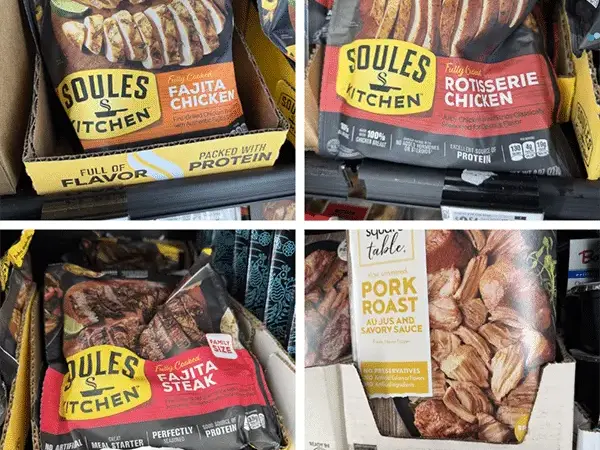
- Ready-to-Eat Strips: Pre-cooked fajita strips or rotisserie-style pulled chicken from brands like Hormel or Soules Kitchen provide immediate protein access. These products are often consumed cold or reheated in seconds, making them ideal for office environments.
- Rotisserie Chicken: A staple of the "no-prep" movement, the standard rotisserie chicken provides a versatile, low-cost protein source. From a nutritional standpoint, removing the skin significantly reduces the saturated fat content, making it a viable option for those tracking specific macronutrient ratios.
2. The Starch and Fiber Foundation
The secondary components of the assembly model focus on complex carbohydrates and micronutrients.
- Frozen Starches: The emergence of "steam-in-bag" technology has revolutionized the consumption of starches. Frozen diced sweet potatoes, brown rice, and quinoa can now be prepared in three to five minutes without the need for boiling water or rice cookers.
- Legumes: Canned beans remain one of the most cost-effective and nutritionally dense "no-prep" options. High in fiber and shelf-stable, they require only rinsing to be ready for consumption.
- Micronutrient Density: Frozen vegetables have been scientifically shown to retain nutrient levels comparable to, and sometimes exceeding, fresh produce due to being flash-frozen at peak ripeness. Utilizing "California medleys" or frozen broccoli allows for the rapid addition of volume and fiber to a meal without the risk of fresh produce spoilage.
The Rise of Direct-to-Consumer (DTC) Macro-Friendly Meals
For individuals whose schedules preclude even the assembly of pre-cooked components, the ready-made meal market offers a "zero-effort" alternative. Unlike traditional frozen "TV dinners" of the 20th century, which were often criticized for high sodium and low protein content, the modern iteration of frozen and refrigerated meals is built around specific macronutrient profiles (high protein, moderate carbohydrate, healthy fats).
Market Leaders and Subscription Models
- Factor75 (Factor): Owned by HelloFresh, Factor has dominated the refrigerated meal space by focusing on fresh, never-frozen meals delivered weekly. These meals are designed to be heated in under four minutes. While the cost is higher—averaging $11 to $13 per meal—the service eliminates the need for grocery shopping entirely.
- Ice Age Meals: This service caters to the "Paleo" and "CrossFit" demographics, offering larger portions and a focus on whole-food ingredients. These meals are delivered frozen, providing a longer shelf life for those who only need a fallback option occasionally.
- Retail-Specific Brands: Target’s "Counter" brand represents the democratization of this trend. By offering high-protein, calorie-controlled frozen burritos and bowls at a $5 to $6 price point, it provides a middle ground between budget grocery items and premium delivery services.
Economic Analysis: The Cost of Time
A critical component of the no-prep meal prep strategy is the economic trade-off. Traditional home-prepped meals are the most cost-effective, with an average per-meal cost of $1.25 to $3.50. In contrast, the no-prep assembly method raises the cost to $3.50–$6.00 per meal, and premium delivery services can exceed $15.00 per meal.

Industry analysts suggest that this "premium" is effectively a "time tax." For a professional earning a high hourly rate, spending three hours on a Sunday to save $30 in food costs may represent a negative return on investment (ROI). Furthermore, the cost of "failure"—falling off a nutritional plan and ordering a $25 UberEats fast-food meal—is significantly higher than the cost of a $12 Factor meal. By maintaining a stock of no-prep options, consumers create a "nutritional insurance policy" against high-stress periods.
Chronology of the Meal Prep Evolution
- 1950s–1980s: The rise of the TV dinner and highly processed convenience foods. Health is secondary to speed.
- 1990s–2000s: The "Bodybuilding Era." The birth of the Tupperware-intensive meal prep, involving plain chicken, broccoli, and rice.
- 2010s: The "Lifestyle Prep" movement. Social media platforms like Instagram turn meal prepping into an aesthetic and organized weekly ritual for the general public.
- 2020–Present: The "Hybrid Era." Recognizing that 100% consistency is impossible, consumers adopt a mixture of home-cooked meals, high-quality frozen options, and pre-cooked grocery assemblies.
Nutritional Implications and Expert Perspectives
Nutritionists generally support the "no-prep" movement as a harm-reduction strategy. Dr. Alan Flanagan, a prominent nutritional researcher, has frequently noted that the primary barrier to healthy eating is not a lack of knowledge, but a lack of "environmental control." When people are tired and hungry, they default to the path of least resistance.
"The goal of any nutritional strategy should be to make the healthy choice the easy choice," says clinical dietitian Sarah Miller. "If a person has a pre-cooked chicken breast and a bag of frozen rice in their freezer, they are 80% more likely to hit their protein goals than if they have to start a meal from scratch at 7:00 PM after a ten-hour workday."

However, experts caution that consumers must remain vigilant about sodium content. Pre-cooked and frozen meals often utilize sodium as a preservative and flavor enhancer. Reading labels to ensure sodium levels do not exceed the RDA (Recommended Dietary Allowance) of 2,300mg per day remains a necessity even in a no-prep framework.
Broader Impact on the Food Industry
The pivot toward healthy convenience is forcing a transformation in grocery store architecture. Walmart and Kroger have significantly increased the "linear footage" of their refrigerated, pre-cooked meat sections. This shift indicates a move away from the "center aisle" (shelf-stable, highly processed goods) and toward "functional convenience."
Furthermore, the success of these no-prep strategies has implications for corporate wellness. Many companies are now stocking office breakrooms with high-quality frozen meals or subsidizing meal delivery services as a way to increase employee productivity and health, recognizing that a well-fed workforce is a more efficient one.

Conclusion: The Strategic Value of Flexibility
The "no-prep meal prep" represents a pragmatic evolution in the pursuit of health and fitness. It acknowledges the reality of the modern schedule, which is often at odds with the "perfect" routines advocated by fitness influencers. By utilizing a tiered approach—cooking when time permits, assembling when time is short, and utilizing ready-made meals during crises—individuals can maintain long-term consistency.
In the final analysis, the most effective diet is the one an individual can stick to during their most difficult week, not their easiest. The ability to trade a marginal amount of capital for a significant amount of time and nutritional security is an investment in long-term health outcomes, reducing the risk of chronic diseases associated with poor diet while lowering the psychological stress of "perfectionism" in meal planning. As the market for healthy convenience continues to mature, the barriers to maintaining a high-performance diet will likely continue to diminish, making nutritional discipline accessible even to the most time-crunched populations.

0 Comments