
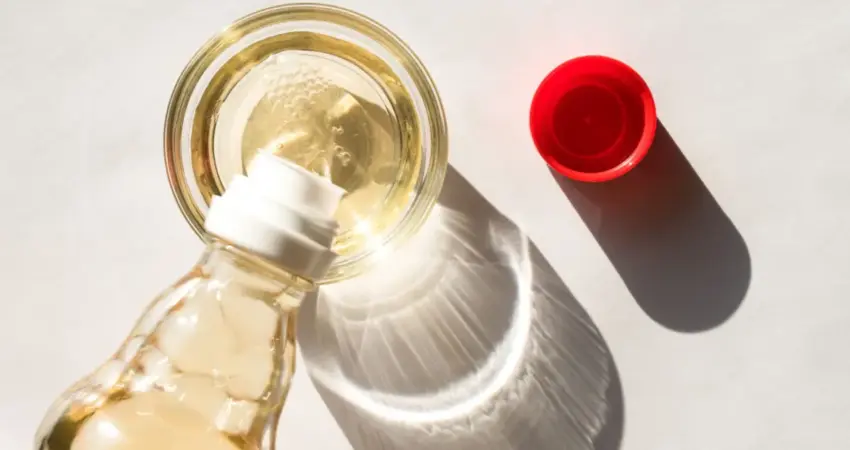
If your culinary adventures have led you through the nuanced flavors of Japanese cuisine, it’s almost certain you’ve encountered mirin. This subtly sweet rice wine, often found alongside staples like miso, soy sauce, dashi, and rice vinegar, is a cornerstone of Japanese cooking. Its ability to impart richness and complexity to broths, stews, marinades, and sauces, while simultaneously bestowing a glossy, appealing sheen on glazed dishes such as teriyaki, makes it an indispensable ingredient.
While frequently described as sweet with a whisper of umami, culinary experts like Sonoko Sakai, author of Japanese Home Cooking, propose a more evocative term: koku. Sakai explains, “Koku is like umami, but it gives not just flavor but aroma; you feel it with your palate, and it gives depth.” This depth and aromatic quality are precisely what distinguish authentic mirin.
However, the mirin gracing the shelves of most supermarkets may not deliver the profound koku that Sakai champions. The distinction lies in the type of mirin. Hon mirin, or "true" mirin, is a premium product, often commanding a higher price and proving more challenging to source in Western markets. Understanding what sets hon mirin apart, when its pursuit is warranted, and what alternatives can be employed when it’s elusive, is key to unlocking authentic Japanese flavors.

The Essence of True Mirin: Ingredients and Craftsmanship
The genesis of traditional hon mirin is remarkably pure, stemming from just three fundamental ingredients: glutinous rice, koji (a mold used in Japanese fermentation), and shochu, a Japanese distilled spirit. The meticulous production process involves the enzymatic breakdown of the glutinous rice’s starches into simple sugars, primarily glucose. Renowned author Hiroko Shimbo, in her seminal work The Japanese Kitchen, elaborates that this natural transformation yields a distinct sweetness, free from added sugars.
Shimbo further characterizes this sweetness as more refined and “elegant” than that of common table sugar. She notes that glucose, the predominant sugar in mirin, is approximately 70% as sweet as sucrose, the sugar most frequently used in Western cooking. Additionally, Sakai points out that mirin possesses a lower glycemic index compared to many other sweeteners, making it a more nuanced choice for culinary applications.
The alcoholic content of hon mirin also contributes significantly to its unique profile. With an alcohol by volume (ABV) typically around 14%, it aligns closely with the alcoholic strength of certain sakes and most grape-based wines. While not typically consumed as a standalone beverage, its presence in cooking is instrumental. Shimbo explains the functional role of alcohol in culinary arts: “Alcohol denatures proteins. It helps them firm up slightly—it’s also hygroscopic, so it helps to retain moisture.” This interaction results in dishes that are exceptionally tender, succulent, and imbued with a profound, umami-rich sweetness.
For those seeking the genuine article, culinary authorities often recommend specific brands. Sakai suggests Fukuraijun hon mirin as a superior choice, while Shimbo favors Mikawa hon mirin produced by Sumiya Bunjiro Brewery. These artisanal selections represent the pinnacle of hon mirin production.

Navigating the Mirin Landscape: Aji-Mirin and Beyond
A significant portion of the mirin available to consumers, particularly in American supermarkets, is aji-mirin. The name itself, translating to "tastes like mirin," hints at its nature. Aji-mirin is generally more accessible and budget-friendly, produced using a different methodology that often incorporates glucose or corn syrup, water, rice, salt, and alcohol. This contrasts sharply with the traditional fermentation process of hon mirin.
The alcohol content in aji-mirin can vary considerably by brand. For instance, Kikkoman’s aji-mirin typically contains around 8% alcohol. This lower alcohol content, coupled with the use of sweeteners other than naturally derived glucose, leads both Shimbo and Sakai to express a preference for hon mirin. They cite its less nuanced flavor profile and more pronounced sweetness as drawbacks. Shimbo also highlights that the reduced alcohol content in aji-mirin can influence its performance and interaction within cooking processes.
Despite these distinctions, culinary experts acknowledge that aji-mirin can still serve a purpose. J. Kenji López-Alt, author of The Food Lab, while admitting that aji-mirin lacks the complexity of hon mirin, points out that natural fermentation creates a richer array of byproducts that contribute to hon mirin‘s superior aroma. However, he pragmatically notes that mirin often constitutes a small fraction of a dish and is frequently cooked alongside other robustly flavored ingredients. While he advocates for naturally brewed mirin when feasible, he also readily uses aji-mirin in his cooking, stating, "I also cook all the time with aji-mirin—it’s not a problem. You’ll notice a difference, but even the cheapest stuff is still going to work just fine." This perspective offers a more inclusive view for home cooks who may have limited access to premium ingredients.
Distinguishing Mirin: A Comparative Culinary Analysis
Understanding mirin’s unique characteristics necessitates differentiating it from other related Japanese culinary staples.

Mirin vs. Sake: A Tale of Sweetness and Purpose
Both mirin and sake are celebrated rice wines integral to Japanese gastronomy, yet a significant divergence exists in their sweetness levels. This difference is rooted in their distinct production processes. As previously detailed, hon mirin employs glutinous rice and shochu, facilitating enzymatic sugar conversion. Sake, conversely, utilizes sake rice and relies on yeast to transform sugars into alcohol, resulting in a significantly less sweet profile. Furthermore, sake is primarily brewed for direct consumption, leading to a vast spectrum of styles and flavor profiles, many of which are too delicate or complex to be effectively utilized in cooking without losing their essence.
Mirin vs. Rice Vinegar: A Contrast in Acidity and Sweetness
While both mirin and rice vinegar originate from rice, their culinary applications and flavor profiles are worlds apart. Mirin is characterized by its sweetness, syrupy texture, and alcoholic undertones, complemented by a subtle umami depth. Rice vinegar, on the other hand, is distinctly acidic and tart, with minimal natural sweetness. The temptation to substitute rice vinegar mixed with sugar for mirin might arise due to their shared origins, but culinary authorities like Shimbo, Sakai, and López-Alt strongly advise against it. They concur that such a substitution would introduce an overly acidic element, detracting from the balanced sweetness that mirin provides. Rice vinegar is best reserved for applications where its tang is desired, not as a substitute for mirin’s rounded sweetness.
The Quest for Substitutes: When Mirin is Out of Reach
In situations where hon mirin is unavailable, resourceful substitutions become essential. The consensus among culinary experts points to a blend of sake and a sweetener as the most effective alternative. This combination aims to replicate the core components of mirin, though it may not fully capture the intricate depth of hon mirin.
Sake and Sweetener: The Preferred Pairing
Any readily available sake can be utilized, though Shimbo advocates for maintaining a larger quantity of seishu (clear sake) specifically for cooking. It is advisable to avoid "cooking sake" variants, as these often contain added salt, which can disrupt the seasoning balance of a dish.

López-Alt typically advocates for a ratio of two parts sake to one part sweetener by volume. Shimbo, however, expresses a preference for brown rice syrup, believing it more closely mimics the natural sweetness found in hon mirin. Maple syrup is also cited by both Shimbo and Sakai as a viable alternative sweetener.
For those without sake on hand, dry white wine or dry sherry can be employed, though they present their own challenges. López-Alt suggests that dry white wine offers a closer flavor profile than sherry, but it introduces a distinct flavor that can significantly alter the final dish. He also notes that many recipes calling for mirin also specify sake, necessitating a replacement for both ingredients in such instances.
Addressing the Non-Alcoholic Dilemma
The pursuit of an alcohol-free mirin substitute proves more complex. While some "mirin-style" seasonings contain reduced alcohol content or are explicitly labeled alcohol-free, their interchangeability across all applications is not guaranteed. Careful label reading is crucial, as aji-mirin can still contain alcohol, and shio mirin (salted mirin) is not necessarily alcohol-free. While cooking can reduce alcohol levels, it does not guarantee complete evaporation. Individuals strictly avoiding alcohol should opt for products clearly marked as alcohol-free. Additionally, vigilance regarding added salt in these alternative products is necessary to prevent over-salting dishes.
The Art of Mirin Storage and Application
Optimal Storage Practices
Hon mirin, owing to its natural sugar and alcohol content, boasts remarkable shelf stability. It is best stored tightly sealed in a cool, dark place, away from refrigeration, which can cause its sugars to crystallize. Storage recommendations for aji-mirin and other mirin-style products can vary, and consumers are advised to consult product labels for specific post-opening instructions.

Culinary Versatility of Mirin
Mirin’s applications in the kitchen are extensive and varied. When combined with soy sauce and sake, it forms a silky tare, a foundational seasoning base for dishes like ramen. When reduced to a syrupy consistency, it transforms into a delectable teriyaki sauce, perfect for glazing salmon, steak, and vegetables.
Beyond its role in sauces and glazes, mirin is equally adept in rapid-cooking dishes such as stir-fried udon with pork and soboro don. Its delicate sweetness also harmonizes beautifully with slow-braised meats, soups, and marinades. It finds particular favor in complementing the delicate flavors of fish and tofu, as seen in brothy steamed bass. Furthermore, it adeptly balances the acidity in dressings, such as a miso-turmeric dressing. In essence, mirin can effectively replace granulated sugar in numerous Western-style recipes, offering a more complex and nuanced sweetness. As Shimbo aptly puts it, "When you use real mirin, there are many good effects." This sentiment underscores the profound impact that this quintessential Japanese ingredient can have on elevating culinary creations.

0 Comments