
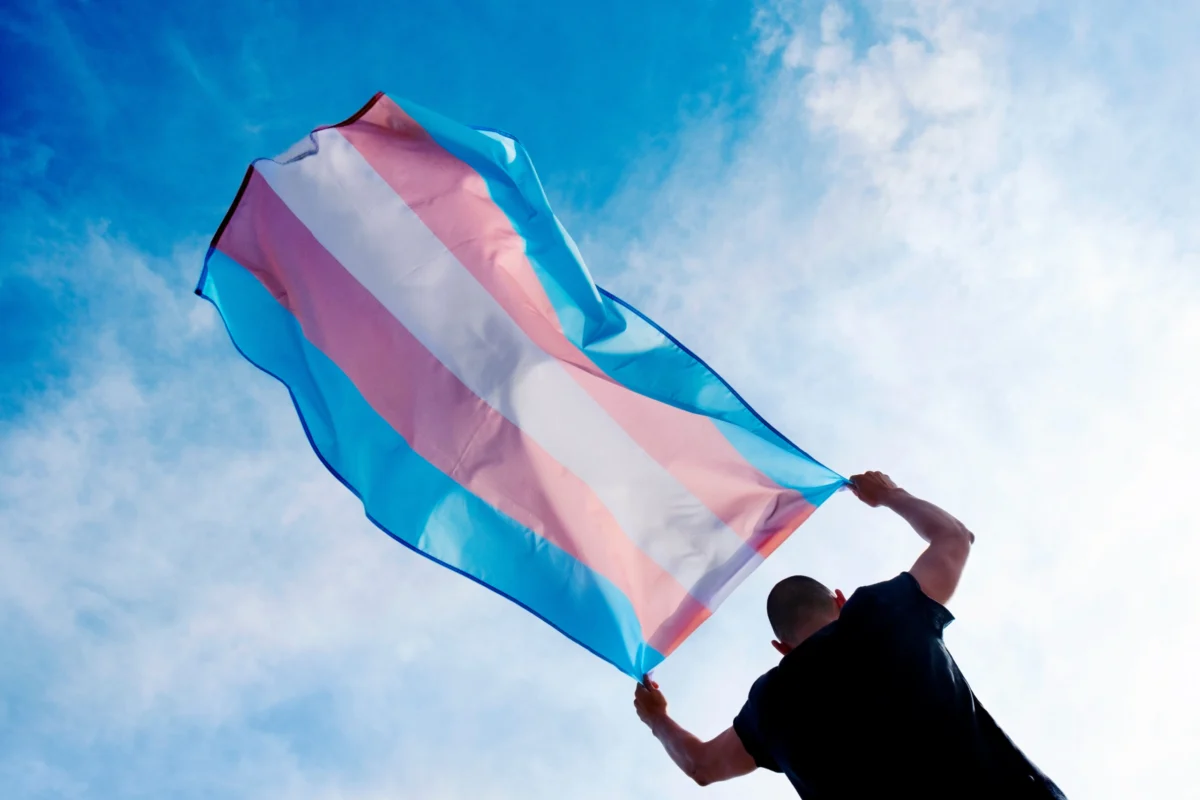
The state of Kansas has moved to the forefront of national debate regarding transgender rights following the implementation of a restrictive law that has effectively invalidated state-issued identification for thousands of residents. The legislation, which mandates that gender markers on driver’s licenses and birth certificates align strictly with the sex assigned at birth, has created a cascade of legal, social, and personal complications for the transgender community and their families. This policy shift, characterized by its immediate enforcement and lack of initial transition periods, has drawn sharp criticism from human rights advocates and prompted a series of legal challenges that are currently winding through the judicial system.
The Legislative Framework: Senate Bill 180
The catalyst for the current crisis is Kansas Senate Bill 180, frequently referred to by proponents as the "Women’s Bill of Rights." The law provides a statutory definition of "sex" based on an individual’s reproductive system at birth. Under this framework, "male" and "female" are defined exclusively by biological markers, effectively removing legal recognition for transgender and non-binary identities in the state’s eyes.
The implications of SB 180 are broad, affecting everything from data collection in state agencies to the use of public facilities. Most notably, the law requires that public restrooms, locker rooms, and domestic violence shelters be segregated based on biological sex. For transgender individuals, non-compliance can lead to civil litigation, with citizens empowered to sue for up to $1,000. Furthermore, the law mandates that state-issued documents, including driver’s licenses and birth certificates, must reflect the individual’s sex at birth, regardless of any previous legal changes or medical transitions.
Immediate Impact and the Human Cost
The enforcement of the ID marker mandate has had an immediate and jarring impact on the lives of approximately 1,700 Kansans who had previously updated their documents. In February, the state began mailing notices to these individuals, informing them that their current identification cards were revoked, effective almost immediately.
For families like that of Chris, a 62-year-old retired manufacturing worker in Wichita, the law has brought a mixture of fear and logistical chaos. Chris is the father of six, including two transgender adult children: Isaac, 21, and Lisa, 34. Isaac, an Art Education major at Wichita State University who transitioned as a teenager, received a revocation notice that gave him until midnight to cease using his current license.
"When am I illegal?" Isaac asked his father upon reading the letter. The answer was 12:01 a.m. the following day. For Isaac, who possesses a beard and masculine features following years of hormone therapy and gender-affirming surgery, carrying a license that labels him "female" is not merely an administrative error—it is a safety risk. When Isaac attempted to comply with the law at the local DMV, he was forced to request a license that contradicted his physical appearance, a move he fears will lead to targeting and harassment when he presents his ID at music venues or during routine traffic stops.
The law also creates a "catch-22" regarding bathroom usage. While the law mandates that Isaac use female restrooms, he notes the inherent danger and trauma such an act would cause. "Can you imagine a 5-year-old girl walking out of a stall and seeing me standing there?" Isaac told his father. This sentiment highlights a common critique of the law: that it ignores the practical reality of people who have lived as their identified gender for years.
Chronology of the Legal Conflict
The path to the current state of affairs has been marked by intense political and legal maneuvering:

- April 2023: The Kansas Legislature overrides a veto by Governor Laura Kelly to pass SB 180. The Governor had argued the law was discriminatory and would harm the state’s economy.
- July 1, 2023: SB 180 officially goes into effect. Initial confusion persists regarding how state agencies will handle existing gender markers on IDs.
- Late 2023: Kansas Attorney General Kris Kobach files a lawsuit against the Department of Revenue, seeking to force the agency to change gender markers on licenses to match birth certificates.
- January 2024: A state judge rules in favor of Kobach, leading to the mass revocation of licenses for transgender residents.
- February 25, 2024: The state begins sending revocation letters to residents, demanding they surrender their current IDs and pay for new ones reflecting their birth sex.
- March 2024: Following public outcry and logistical hurdles, the state institutes a brief grace period for residents to update their documents without facing immediate criminal penalties.
- Current Status: Legal challenges brought by transgender residents continue. While a judge recently declined to grant a temporary restraining order to halt the law, the broader constitutionality of the measure remains under litigation.
Supporting Data and Broader Context
Kansas is not alone in its pursuit of restrictive legislation, but it has gone further than most other states. According to the Movement Advancement Project (MAP), 22 states have passed laws restricting access to bathrooms or locker rooms for transgender individuals. However, Kansas is the first state to retroactively invalidate legally obtained identification cards.
Research indicates that the inability to obtain accurate identification has significant negative outcomes. A 2015 U.S. Transgender Survey found that nearly one-third of respondents who showed an ID with a name or gender that did not match their appearance reported being harassed, denied services, or attacked. Furthermore, the mental health implications are profound. For Isaac, the struggle for recognition was previously tied to three suicide attempts during his middle school years—a period characterized by school officials refusing to use his correct name.
The socio-economic burden is also a factor. Updating a license costs approximately $26 in Kansas. While this may seem nominal to some, for students or low-income individuals, it represents a significant expense, especially when coupled with the requirement to find transportation to a DMV office during working hours.
Official Responses and Political Reaction
Attorney General Kris Kobach has been the primary defender of the law, asserting that the state has a vested interest in maintaining "accurate" biological records. Kobach has argued that allowing individuals to change gender markers undermines the state’s ability to track data and maintain privacy in sex-segregated spaces.
In contrast, the American Civil Liberties Union (ACLU) of Kansas has condemned the law as a violation of the Equal Protection Clause. "This is a coordinated effort to erase transgender people from public life," a spokesperson for the organization stated. "By invalidating their very identity documents, the state is making it impossible for these citizens to navigate the world safely and with dignity."
Governor Laura Kelly, while unable to stop the legislative override, has expressed concern over the "cascading health and social consequences" predicted by researchers. Her administration initially sought to maintain the status quo for existing IDs, but was ultimately overruled by the courts following the Attorney General’s intervention.
Fact-Based Analysis of Implications
The implications of the Kansas law extend beyond the borders of the state, serving as a potential blueprint or a cautionary tale for other legislatures.
- Criminalization Risk: By invalidating IDs overnight, the state briefly turned law-abiding citizens into potential criminals. Driving with an invalid license in Kansas can result in a $1,000 fine and up to six months in jail. Even with the current grace period, the threat of future prosecution remains for those who refuse to carry "inaccurate" IDs.
- Economic Impact: Business leaders have expressed concern that such restrictive laws make it difficult to recruit and retain talent. Companies with inclusive DEI (Diversity, Equity, and Inclusion) policies may find the legal environment in Kansas at odds with their corporate values.
- Humanitarian Concerns: Families like Chris’s are now considering drastic measures. His daughter Lisa, who has been active in providing transportation for those needing to visit the DMV, has discussed moving out of the country to protect her children and her partner. This "brain drain" of citizens seeking more inclusive environments could have long-term demographic effects on the state.
- Judicial Precedent: The ongoing lawsuits will likely reach the Kansas Supreme Court. The court’s eventual ruling will determine whether the state’s interest in biological definitions outweighs an individual’s right to privacy and self-identification.
As the legal battle continues, the daily lives of transgender Kansans remain in a state of flux. For fathers like Chris, the issue is not about politics, but about the safety and well-being of his children. "We’re talking about humanitarian rights," he said. "That’s what this country’s supposed to be about." Whether the judicial system agrees remains the pivotal question for the state of Kansas.

0 Comments