
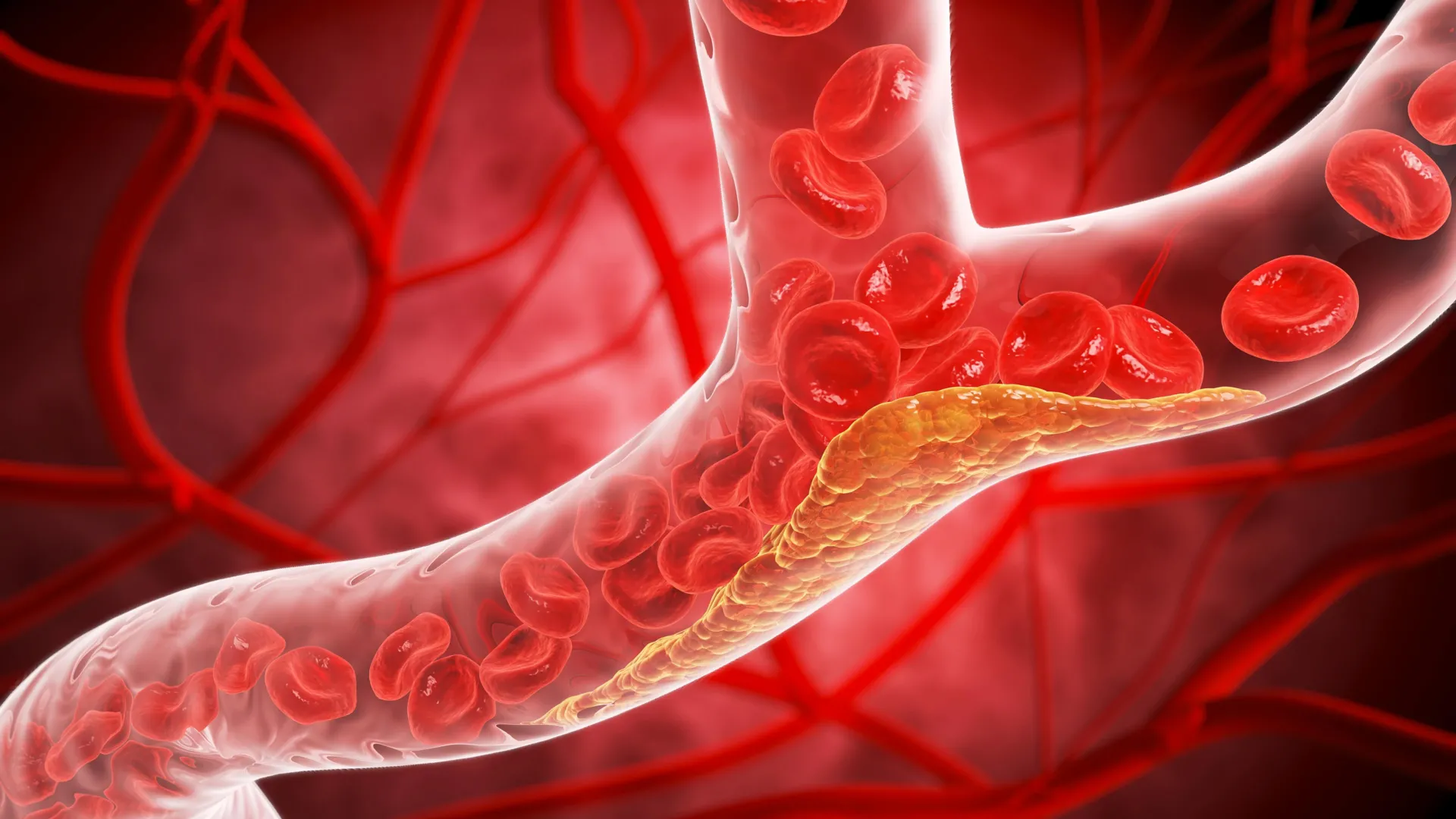
A groundbreaking phase three clinical trial has revealed that enlicitide, a novel experimental pill, dramatically reduced low-density lipoprotein (LDL) cholesterol levels by as much as 60%. The findings, published in the prestigious New England Journal of Medicine, represent a significant advancement in the fight against cardiovascular disease. If approved by the U.S. Food and Drug Administration (FDA), this oral therapy could provide millions of Americans with a more accessible and effective tool to combat heart attacks and strokes.
A Paradigm Shift in Cholesterol Management
The implications of enlicitide’s success are profound, particularly given the persistent challenges in achieving optimal LDL cholesterol levels for patients with established atherosclerotic cardiovascular disease. Dr. Ann Marie Navar, a leading cardiologist and Associate Professor of Internal Medicine at UT Southwestern Medical Center, who spearheaded the study sponsored by Merck & Co. Inc., emphasized the transformative potential of this oral medication. "Fewer than half of patients with established atherosclerotic cardiovascular disease currently reach LDL cholesterol goals," Dr. Navar stated. "An oral therapy this effective has the potential to dramatically improve our ability to prevent heart attacks and strokes on a population level."
Cardiovascular disease remains the leading cause of death in the United States, accounting for an estimated 697,000 deaths in 2022, according to the Centers for Disease Control and Prevention (CDC). A significant contributing factor to this grim statistic is elevated LDL cholesterol, colloquially known as "bad" cholesterol.
The Critical Role of LDL Cholesterol in Cardiovascular Health
For decades, the scientific community has recognized the central role of LDL cholesterol in the development of cardiovascular disease. LDL particles are a primary component of arterial plaque, a fatty deposit that accumulates within artery walls through a process known as atherosclerosis. This insidious buildup can progressively narrow and harden arteries, restricting blood flow. When these plaques rupture, they can trigger blood clots, leading to the devastating consequences of heart attacks and strokes. Consequently, reducing LDL cholesterol levels is a cornerstone of both primary prevention—stopping heart disease before it starts—and secondary prevention—managing risk in individuals who have already experienced a cardiovascular event.
The recommended LDL cholesterol goal for individuals with atherosclerosis is generally below 70 mg/dL, and for those at very high risk, it can be as low as 55 mg/dL. However, the phase three trial highlighted a stark reality: many patients, even those on existing therapies, struggle to reach these targets. The study population, comprising 2,909 participants with atherosclerosis or related risk factors, reflected this clinical challenge. About two-thirds of participants were receiving enlicitide, while the remainder received a placebo. Crucially, most of these individuals were already undergoing treatment with statins, the current gold standard for cholesterol-lowering. Despite this, their average LDL cholesterol level before the trial began was 96 mg/dL, significantly exceeding the recommended thresholds.
From Nobel Prize-Winning Discoveries to Next-Generation Therapies
The development of enlicitide is a testament to a rich legacy of scientific inquiry originating at UT Southwestern Medical Center, building upon foundational discoveries that have reshaped cardiovascular medicine. The journey began decades ago with the pioneering work of Michael Brown, M.D., and Joseph Goldstein, M.D. Their groundbreaking identification of the LDL receptor on liver cells—the key mechanism by which the body clears LDL cholesterol from the bloodstream—earned them the Nobel Prize in Physiology or Medicine in 1985. This discovery not only illuminated the intricate regulation of cholesterol metabolism but also laid the groundwork for the development of statins, which have since become the most widely prescribed cholesterol-lowering drugs globally.
Further insights emerged from the Dallas Heart Study, a large, multi-ethnic, urban population-based study also conducted at UTSW. Led by Helen Hobbs, M.D., and Jonathan Cohen, Ph.D., this research revealed that certain individuals naturally possess lower LDL cholesterol levels due to genetic variations that reduce the production of the PCSK9 protein. The PCSK9 protein acts as a brake on the LDL receptor, binding to it and marking it for degradation within the liver cell. By limiting the number of LDL receptors available on the liver cell surface, PCSK9 effectively hinders the body’s ability to remove LDL cholesterol from circulation.
This crucial understanding of PCSK9’s role directly inspired the development of a new class of highly effective cholesterol-lowering medications: PCSK9 inhibitors. These injectable therapies, including monoclonal antibodies like evolocumab and alirocumab, and RNA-based therapies, work by blocking the action of PCSK9, thereby increasing the number of LDL receptors and significantly enhancing cholesterol clearance. These injectable PCSK9 inhibitors have demonstrated the ability to lower LDL cholesterol by approximately 60%, a level of efficacy comparable to the results observed with enlicitide.
The Underutilization of Existing Advanced Therapies
Despite the remarkable efficacy of injectable PCSK9 inhibitors, their adoption into routine clinical practice has lagged behind expectations. Dr. Navar pointed to several historical barriers that have contributed to this underutilization. Initially, high costs and complex insurance approval processes presented significant hurdles for both physicians and patients. While these issues have seen some improvement over time, a persistent hesitancy among many clinicians to prescribe these injectable medications remains. A primary driver of this reluctance appears to be the inconvenience associated with administering injections compared to the familiar oral route of administration for most medications.
Enlicitide: A Novel Oral Approach to PCSK9 Inhibition
Enlicitide offers a compelling solution to this challenge by targeting the same critical PCSK9 pathway as the injectable inhibitors but through a convenient daily oral pill. The mechanism of action involves enlicitide binding to the PCSK9 protein in the bloodstream, preventing it from interacting with LDL receptors on liver cells. This blockade effectively liberates the LDL receptors, allowing them to remain on the cell surface and efficiently capture and remove LDL cholesterol from the circulation. The oral administration of enlicitide marks a significant departure from the injectable format, potentially broadening access and improving patient adherence.
Clinical Trial Findings: Unprecedented Oral Efficacy
The results of the phase three trial underscore the transformative potential of enlicitide. After 24 weeks of treatment, participants receiving enlicitide experienced an average LDL cholesterol reduction of approximately 60% compared to those in the placebo group. This remarkable decrease was observed even in a patient population that was already receiving high-intensity statin therapy, highlighting the additive benefit and the drug’s ability to overcome existing treatment limitations.
Beyond LDL cholesterol, enlicitide also demonstrated positive effects on other key lipid markers associated with cardiovascular risk. These included reductions in non-HDL lipoprotein cholesterol, apolipoprotein B (ApoB), and lipoprotein(a) [Lp(a)]. Elevated levels of these markers are independently linked to increased cardiovascular risk, and their improvement further bolsters the therapeutic promise of enlicitide. Importantly, these beneficial effects were sustained over a full year of follow-up, indicating the long-term durability of the drug’s action.
"These reductions in LDL cholesterol are the most we have ever achieved with an oral drug by far since the development of statins," Dr. Navar remarked, underscoring the magnitude of this achievement. The implications for public health are substantial; an oral therapy capable of delivering such potent LDL cholesterol lowering could revolutionize cardiovascular disease prevention strategies.
Next Steps: Translating Cholesterol Reduction into Clinical Outcomes
While the substantial reduction in LDL cholesterol is highly encouraging, the ultimate measure of success for any cardiovascular therapy lies in its ability to prevent actual clinical events. To this end, another clinical trial is currently underway with the specific objective of determining whether the profound cholesterol-lowering effects of enlicitide translate into a statistically significant reduction in heart attacks and strokes. The results of this outcome trial will be critical in solidifying enlicitide’s place in the therapeutic armamentarium.
The research team behind these groundbreaking findings includes distinguished scientists from UT Southwestern. Dr. Brown holds the Paul J. Thomas Chair in Medicine and the W.A. (Monty) Moncrief Distinguished Chair in Cholesterol and Arteriosclerosis Research. Dr. Goldstein is a Regental Professor, holding the Julie and Louis A. Beecherl, Jr. Distinguished Chair in Biomedical Research and the Paul J. Thomas Chair in Medicine. Dr. Hobbs, who holds the Dallas Heart Ball Chair in Cardiology Research, is also affiliated with the Harold C. Simmons Comprehensive Cancer Center. Dr. Cohen holds the C. Vincent Prothro Distinguished Chair in Human Nutrition Research.
The study was funded by Merck Sharp & Dohme, a subsidiary of Merck & Co., Inc. Dr. Navar reported receiving consulting fees from Merck for her work on this study, as well as for other consulting engagements with Merck and other pharmaceutical companies developing lipid-lowering drugs, as disclosed in the published study. These disclosures underscore the collaborative nature of pharmaceutical research and development.
The potential approval of enlicitide by the FDA would represent a significant milestone, offering a new, accessible, and highly effective option for millions of Americans struggling to manage their cholesterol and reduce their risk of life-threatening cardiovascular events. The transition from injectable to oral administration for potent PCSK9 pathway inhibition could fundamentally alter the landscape of cardiovascular care, moving us closer to a future where fewer individuals suffer the devastating consequences of heart disease and stroke.

0 Comments