
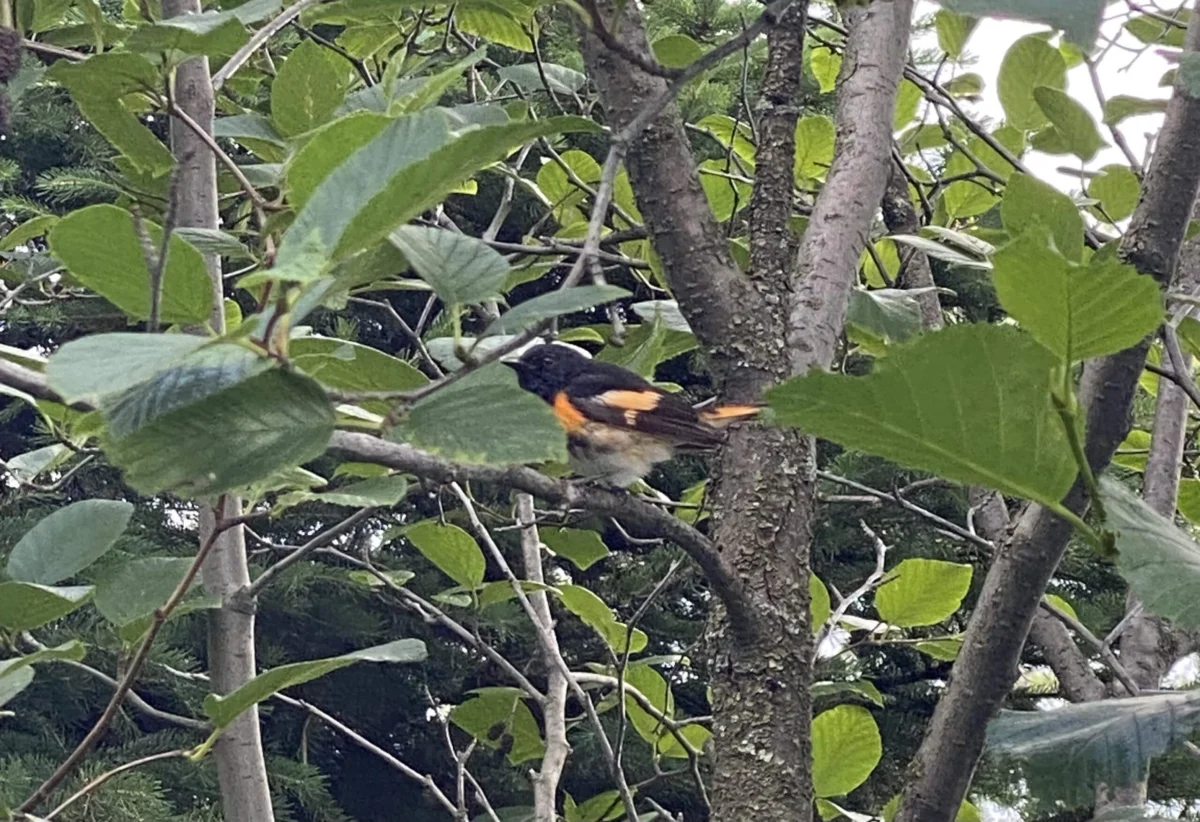
The transition from casual observer to dedicated birdwatcher, once viewed as a stereotypical hallmark of retirement, has increasingly become a mainstream pursuit for middle-aged adults and younger demographics alike. What was once characterized by a niche group of enthusiasts in khaki vests is now a tech-integrated, multi-billion-dollar industry that serves as a vital bridge between urban living and the natural world. This cultural shift, often sparked by a sudden awareness of local avian biodiversity, is being fueled by advancements in mobile technology, a growing societal focus on mental health, and an urgent need for citizen science in the face of climate change.
The Evolution of Birding: From Victorian Collection to Digital Identification
The history of birding has undergone several distinct phases. In the 19th century, the pursuit was largely synonymous with "ornithology via the barrel of a gun," where specimens were shot to be studied and taxidermied. The 20th century saw the rise of the "field guide" era, pioneered by Roger Tory Peterson in 1934, which shifted the focus to visual identification through binoculars. Today, the hobby has entered the "Bioacoustic and AI Phase," where smartphone applications can identify species by sound in real-time.
This technological evolution has lowered the barrier to entry significantly. According to data from the U.S. Fish and Wildlife Service, approximately 45 million people in the United States participate in birdwatching, contributing nearly $100 billion to the economy through travel, equipment, and bird-related commerce. The demographic data suggests that the "middle-age pivot" to birding is not merely a social trope but a documented trend. As individuals seek "soft fascination"—a psychological state where attention is held by low-stimulation, aesthetically pleasing environments—birding offers an accessible escape from the high-stress, "directed attention" demands of the modern workplace.

The Technological Catalyst: The Merlin and eBird Ecosystem
Central to the modern birding boom is the Cornell Lab of Ornithology, a world-renowned institution that has effectively gamified and digitized the experience. The Merlin Bird ID app, which recently surpassed 10 million active users, utilizes machine learning and artificial intelligence to identify birds through two primary methods: Photo ID and Sound ID.
The Sound ID feature, in particular, has been described by users as a "superpower," allowing individuals to hold their phones in the air and receive a live scrolling list of every species singing in their vicinity. This technology relies on a massive database of millions of recordings curated by the Macaulay Library. For many new hobbyists, the realization that their suburban backyard is home to a dozen different species—rather than just "the brown ones" and "the blue ones"—is the primary hook that turns a casual interest into a lifelong pursuit.
Furthermore, the eBird platform has transformed birdwatching into a massive citizen-science project. Every time a user logs a sighting, that data is integrated into a global database used by scientists to track migration patterns, population declines, and the impacts of habitat loss. This sense of purpose—knowing that one’s hobby contributes to global conservation efforts—provides a layer of professionalized satisfaction that many other leisure activities lack.
Essential Gear and the Economics of Optics
While the barrier to entry is low, the market for birding equipment has seen significant growth. The primary tool remains the binocular, a technology that has seen vast improvements in light transmission and edge-to-edge clarity over the last decade. Industry experts note a shift in consumer behavior, where new birders are bypassing "toy-grade" optics in favor of mid-range and high-end "roof prism" binoculars.

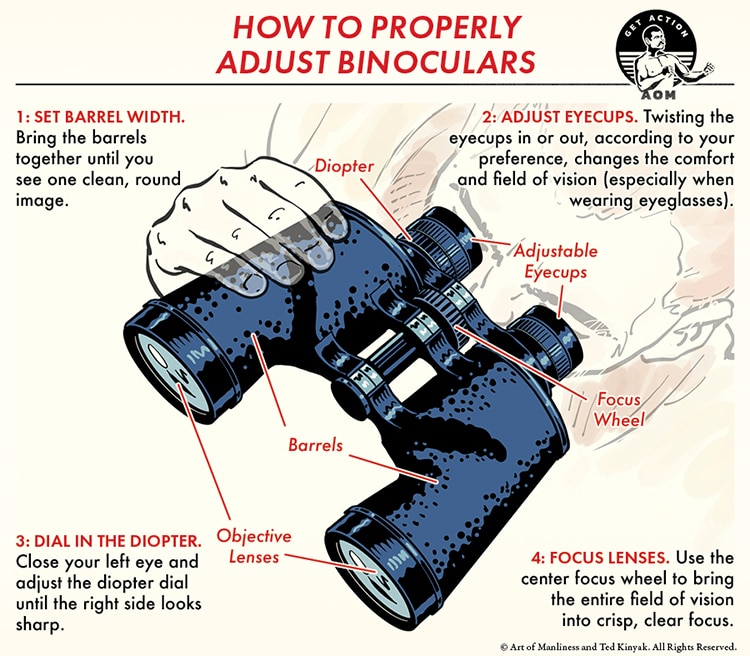
Standard recommendations for beginners often center on 8×42 specifications—offering eight times magnification with a 42mm objective lens to balance field of view and light intake. Companies like Nocs Provisions, Vortex, and Nikon have capitalized on this by creating rugged, waterproof, and aesthetically modern optics that appeal to a younger, outdoor-oriented audience. Beyond binoculars, the market for "smart" bird feeders equipped with high-definition cameras has exploded, allowing homeowners to receive notifications and photographs of visiting birds directly to their smartphones, further integrating the hobby into the digital lifestyle.
Health Benefits and the Rise of "Ornitherapy"
The medical community has begun to recognize the physiological benefits of birdwatching, a practice sometimes referred to as "ornitherapy." A study published in the journal Bioscience found that people living in neighborhoods with more birds and vegetation were less likely to suffer from depression, anxiety, and stress.
Birding requires a specific type of mindfulness; it demands that the observer slow their pace, remain quiet, and focus on minute movements in the canopy. This practice lowers cortisol levels and heart rates, providing a "nature pill" that counteracts the effects of urban noise pollution. The sensory engagement of hearing birdsong has been specifically linked to improved cognitive function and recovery from mental fatigue. For the middle-aged demographic, which often faces the "sandwich generation" pressures of caring for both children and aging parents, the solitary and meditative nature of birding provides a necessary emotional reprieve.
Hotspots and Habitat: Where the Birds Are
One of the logistical advantages of birding is its geographical versatility. While national parks and wildlife refuges are primary destinations, urban environments are surprisingly rich in avian life. Ornithologists emphasize that "edge habitats"—where two different environments meet, such as a forest edge and a meadow, or a lake and a park—are the most productive areas for spotting diverse species.
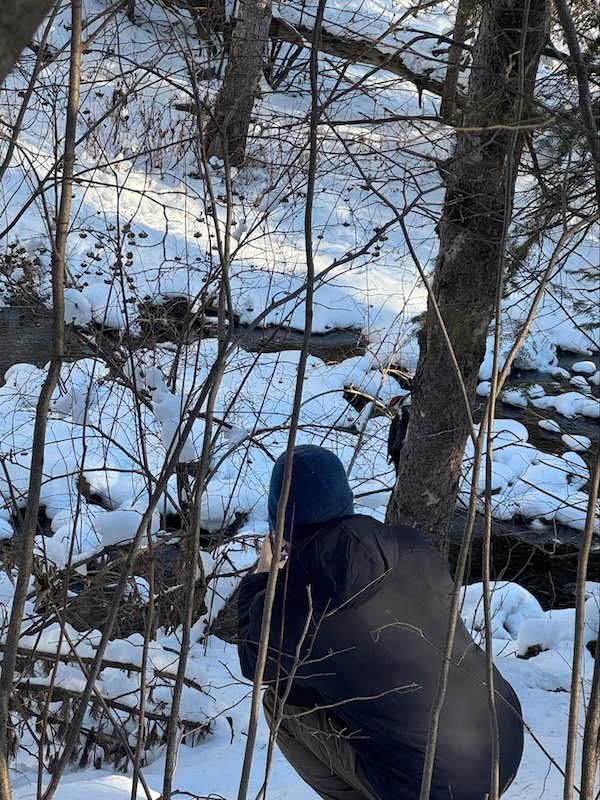
Water remains the most significant draw for birds. Riparian zones, wetlands, and even small neighborhood ponds act as magnets for both resident species and those on long-distance migrations. Seasonality also plays a critical role. During the spring and fall migrations, millions of birds travel along "flyways," leading to "fallouts" where hundreds of birds may land in a single city park to rest and refuel. This predictability allows birders to plan their activity around the "life list"—a personal record of every species an individual has observed.
Broader Impact: Conservation in the "Three Billion Birds" Era
The rise of birding comes at a critical juncture for environmental policy. A landmark study published in the journal Science in 2019 revealed that North America has lost nearly 3 billion birds—roughly 29% of its total population—since 1970. This decline spans almost all habitats, from grasslands to forests.
The influx of new birders represents a growing political and economic constituency for conservation. As people become emotionally invested in the Pileated Woodpeckers or Great Blue Herons in their local parks, they are more likely to support land-use policies that protect those habitats. Birders are increasingly involved in advocacy against light pollution (which disorients nocturnal migrants) and the use of neonicotinoid pesticides, which decimate the insect populations birds rely on for food.
In response to this growing interest, urban planning is beginning to incorporate "bird-friendly" designs, such as UV-reflective glass to prevent window collisions and the planting of native species in place of ornamental lawns. The hobby has thus evolved into a form of grassroots environmentalism, where the simple act of looking through binoculars serves as a census for a changing planet.
Analysis of Future Trends
Looking forward, the integration of birding and technology is expected to deepen. Wearable tech that can identify birdsong through bone-conduction headphones and augmented reality (AR) overlays in binoculars are currently in development. Additionally, the "Big Year"—a competition to see as many species as possible in a calendar year—is becoming a popular format for charity fundraising and environmental awareness campaigns.
The professionalization of the hobby has also seen a rise in "birding tourism," with countries like Colombia, Ecuador, and Uganda investing heavily in infrastructure to attract international birders. This "avritourism" provides an economic incentive for developing nations to preserve primary rainforests rather than clear them for agriculture or logging.
Ultimately, the transformation of birding from a punchline about aging into a sophisticated, tech-driven, and health-conscious pursuit reflects a broader human desire to reconnect with the biological rhythms of the earth. As one observer noted, "You don’t choose birding; birding eventually finds you when you’re quiet enough to listen." In an era of digital saturation and environmental uncertainty, the birds offer a constant, vibrant, and increasingly necessary connection to the wild.

0 Comments