
As the first crocuses tentatively emerge along New York City’s sidewalks and daylight stretches well past the evening meal, a palpable shift is underway in the urban landscape. Following a winter characterized by unseasonable chills and prolonged frigidity, Manhattanites are shaking off their seasonal inertia. The city’s vibrant energy, often subdued during the colder months, is reawakening. This transition is marked by the shedding of heavy coats for lighter jackets, the resurgence of popular public transportation options like Citi Bike, and, for many, the eagerly anticipated return of brunch. This cherished weekend ritual, a cornerstone of the city’s social calendar, is being embraced with renewed enthusiasm, signaling a collective desire to reconnect and savor the season’s offerings.
This resurgence in dining out, particularly for the quintessential weekend brunch, prompts a closer examination of established culinary landmarks. As the unofficial arbiter of dining reservations for friends and family, this investigation delves into the current state of several iconic New York City establishments renowned for their brunch service. The objective is to ascertain whether these beloved venues continue to uphold their reputations for delivering both exceptional ambiance and culinary excellence, especially as critical holidays like Easter and Mother’s Day approach, periods when the demand for memorable dining experiences peaks. The assessment involves a thorough review of offerings at Locanda Verde, Sarabeth’s, and Lafayette, focusing on their brunch-specific menus and overall dining experience.
Locanda Verde: A Tribeca Gem Reaffirms Its Appeal
Nestled at the intersection of North Moore and Greenwich Streets in Tribeca, Locanda Verde stands as a testament to enduring culinary quality, a short distance from another celebrated brunch destination, Bubby’s. While Bubby’s is often associated with significant wait times, Locanda Verde distinguishes itself by accepting weekend brunch reservations. This policy is invaluable for individuals tasked with coordinating group outings, ensuring a seamless and timely seating arrangement that preempts any potential dissatisfaction.
Upon entering Locanda Verde, guests are greeted by a well-illuminated and remarkably spacious interior. The soaring ceilings contribute to an atmosphere of grandeur, while the plush, tufted leather banquettes invite patrons to settle in and prolong their stay. The service during the assessment was characterized by a warm and attentive demeanor from the staff, enhancing the overall dining experience.
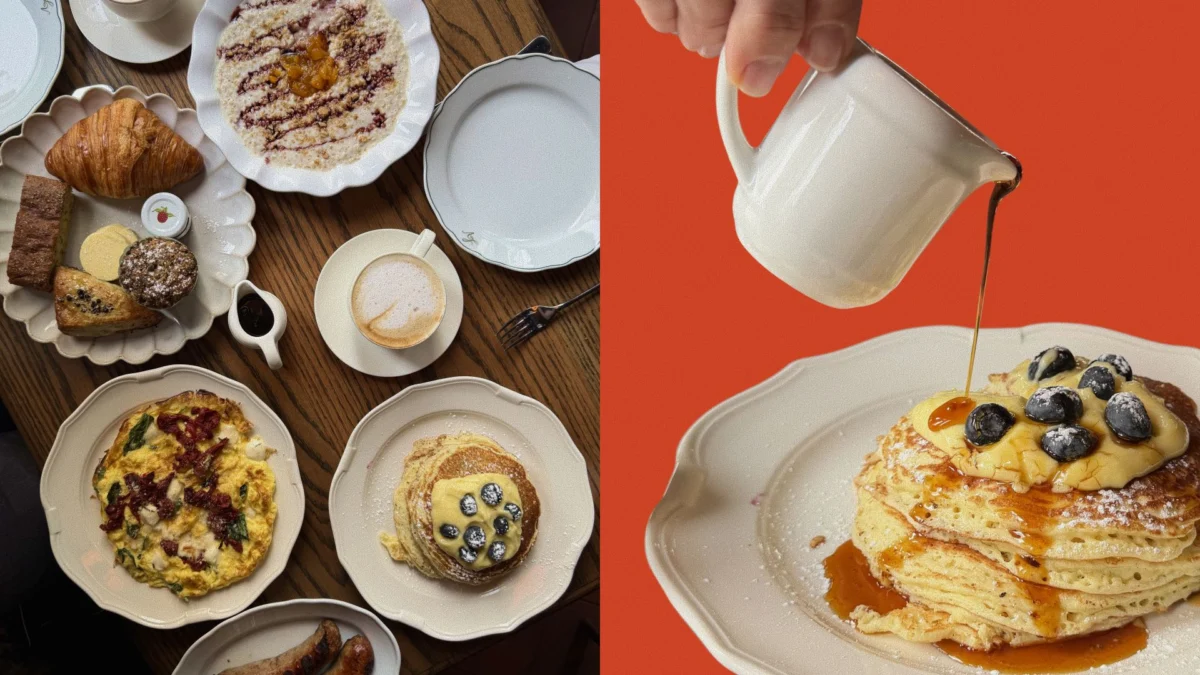
Although the official brunch service is exclusively available on weekends, the reviewer visited on a Friday morning at 10:45 a.m., thus ordering from the breakfast menu. However, many of the breakfast items share significant overlap with the brunch offerings, providing a representative sampling. The menu is a curated collection of classic dishes, many infused with a distinct Italian influence. The chosen items included the signature pastry basket, a frittata caprese, lemon ricotta pancakes, Anson Mills steel-cut oats (exclusive to the breakfast menu), and a side of breakfast sausage. The speed at which these dishes arrived at the table was notably swift.
The pastry basket offered a commendable variety, featuring items such as a pistachio coffee cake and a scone with a subtle truffle aroma. However, for those seeking a sweet and shareable centerpiece, the lemon ricotta pancakes emerged as the superior choice. These pancakes were exceptionally fluffy, possessing delicate, lacy edges. They were generously adorned with Meyer lemon curd and a scattering of plump blueberries. While the pancakes were delightful on their own, a touch of syrup was nonetheless applied, further enhancing their sweetness.
The steel-cut oats were prepared using whole milk, a richer alternative to water, and topped with a stewed fruit compote and a streusel topping. The frittata caprese, presented as a flat, open-faced omelet, was studded with chunks of buffalo mozzarella, roasted tomatoes, and fresh basil leaves. It offered a flavorful and fresh profile, though a slight deficiency in saltiness was noted, a minor issue readily rectified by pairing it with the breakfast sausage.
The breakfast sausage, in particular, proved to be an unexpected highlight. Its exterior was deeply charred, contributing a pleasant smoky note, while the interior remained remarkably juicy. The presence of fennel seeds added an aromatic complexity. This element was unanimously declared a must-order.
This initial visit to Locanda Verde left a lasting positive impression, with a definite intention to return. The prospect of a post-brunch stroll along the West Side Highway on a warmer day further enhances the appeal of this establishment.
Sarabeth’s: An Enduring Institution Faces Scrutiny
Since its inception in 1981, Sarabeth’s has established itself as a significant player in the New York City brunch scene, now boasting four locations across the metropolis. The Greenwich Village outpost, the subject of this review, was a hive of activity on a recent Saturday. A considerable number of patrons were observed waiting outside for a table, and the two-level dining area was abuzz with diners eager to commence their weekend. The tables were thoughtfully adorned with small floral arrangements—comprising red roses, white carnations, and baby’s breath—evoking a classic, almost nostalgic, Mother’s Day brunch ambiance.
Following a celebratory toast with peach Bellinis, the reviewer and their companion eagerly anticipated the arrival of the towering basket of blueberry popovers. Regrettably, the popovers were served cold and dry, a stark contrast to the expected fresh, tender, and eggy texture. Their sole redeeming feature was the accompanying Earl Grey cream cheese frosting, which was so palatable that it could have been enjoyed on its own.
The farmer’s omelette, chosen as the main course, was filled with leeks, potatoes, and Gruyère, and served alongside a simple green salad. While the flavors were commendably balanced, the omelette itself possessed a somewhat soggy consistency, suggesting that the ingredients may not have been sufficiently pre-cooked before being incorporated into the eggs.
In contrast, the power bowl ordered by the companion proved to be a more successful dish. This hearty assembly featured Tuscan kale, quinoa, pistachios, apples, beets, and goat cheese, all dressed in a sherry shallot vinaigrette. The portion size was generous, and the addition of a grilled salmon fillet was well-seasoned and cooked to perfection.
While Sarabeth’s remains a viable option within the city’s vast culinary landscape, particularly for those prioritizing convenience and relatively accessible reservations across its multiple locations, the overall experience suggests that superior dining and imbibing experiences might be found elsewhere. Its enduring presence, however, underscores its appeal to a consistent clientele.
Lafayette: A NoHo Bakery-Restaurant Excels in Savory Delights
Lafayette first garnered widespread attention for its visually striking, circular "Suprême" croissants, which achieved viral status several years ago. This review marks the author’s inaugural visit to the establishment, having met senior editor Olivia Tarantino for a pre-work breakfast. Its strategic location in NoHo, coupled with a spacious and airy interior featuring high ceilings and expansive windows, significantly enhances the dining experience.
Quiche is a personal favorite brunch order, but it is a dish approached with caution, contingent on a reasonable expectation of quality. Lafayette, operating as both a restaurant and a bakery, presented a compelling case for a chance. The assessment proved the gamble worthwhile: the quiche was among the finest sampled, a substantial slice filled with spinach and encased in a remarkably buttery and tender crust.
The smoked salmon eggs Benedict, ordered by Olivia Tarantino, was deemed an excellent rendition of this classic brunch dish by both diners. The Hollandaise sauce was rich and velvety without being overly heavy or gloppy. The eggs were cooked to a perfect poached consistency, and the decision to serve them atop fluffy, crustless brioche circles instead of traditional English muffins was a welcome innovation, significantly improving the ease of consumption.
While the highly publicized "Suprême" croissants are not available for table service, guests are encouraged to order a basket of assorted pastries. The reviewer and their companion opted for the pistachio cream flavor, which was flaky and delightful, albeit slightly too sweet for the reviewer’s preference.
The Broader Context of Spring Dining in New York City
The arrival of spring in New York City is more than just a meteorological event; it is a cultural and economic signal. The city’s dining scene, a critical component of its global appeal, experiences a noticeable uplift with the warmer weather. Data from the New York City Hospitality Alliance consistently shows an increase in restaurant reservations and patronage during the spring and summer months. Following the typically slower winter period, establishments often gear up for this surge by refining their menus, enhancing their service, and often introducing seasonal specials.
The trend of "brunch culture" has been a significant factor in the city’s dining landscape for decades. Originating in the United Kingdom in the late 19th century as a meal for the leisurely classes, it evolved in the United States, particularly in cities like New York, into a widespread social phenomenon. Restaurants that can effectively cater to this demand, offering a combination of appealing food, a pleasant atmosphere, and efficient service, tend to thrive. The data from organizations like the NYC Department of Consumer and Worker Protection indicates that well-established restaurants with strong brand recognition, such as Sarabeth’s, often maintain a loyal customer base, even as newer, trendier establishments emerge.
Analysis of Implications for the Hospitality Sector
The sustained popularity of brunch as a weekend dining ritual highlights the importance of consistent quality and strategic adaptation for New York City’s restaurants. For establishments like Locanda Verde, which has successfully balanced classic offerings with an inviting ambiance and excellent service, the implication is continued patronage and a strengthening of its reputation. The emphasis on reservations addresses a key logistical challenge for diners, particularly during peak seasons, suggesting that reservation policies are becoming increasingly critical for customer satisfaction.
Sarabeth’s, while a well-known name, faces the challenge of maintaining its relevance in a competitive market. The review indicates that while convenience and brand recognition can carry a business, perceived dips in food quality, such as the cold popovers and soggy omelette, can impact customer loyalty. The implication for Sarabeth’s and similar established institutions is the need for ongoing quality control and menu innovation to meet evolving diner expectations. The fact that even minor inconsistencies can detract from an otherwise busy and popular establishment underscores the high standards expected in the city.
Lafayette’s success, driven by a combination of viral popularity for specific items and a strong overall dining experience, illustrates the power of a well-executed concept. The bakery-restaurant model, integrating a high-quality pastry offering with a full dining menu, appears to be a successful strategy. The implication here is that diversification of offerings and a focus on both Instagrammable items and substantive culinary execution can lead to broad appeal.
The broader economic implication for New York City is the significant contribution of the restaurant industry to its economy. According to the NYC Economic Development Corporation, the food services and drinking places sector is a major employer and a vital contributor to the city’s tax base. As spring signals an uptick in tourism and local spending, restaurants play a crucial role in the city’s overall economic vitality. The successful navigation of the spring brunch season by these establishments contributes to this larger economic picture, reinforcing New York’s status as a global culinary capital. The ongoing adaptation and commitment to quality by these diverse establishments are essential for maintaining this reputation.

0 Comments