
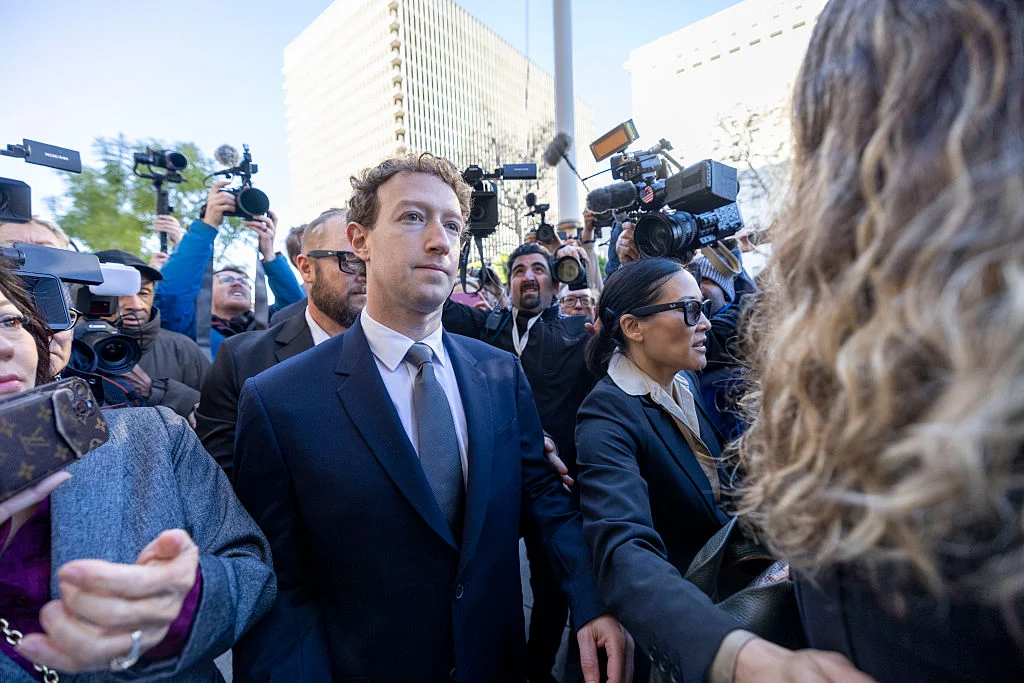
In a series of consecutive legal defeats for the technology industry, juries in Los Angeles and New Mexico have issued historic verdicts that may fundamentally alter how social media platforms operate. These rulings, coming within 48 hours of each other, represent the first successful litigations in a burgeoning wave of thousands of lawsuits targeting the "persuasive design" of digital platforms and their impact on adolescent well-being. On Wednesday, a Los Angeles jury found both YouTube, owned by Alphabet Inc., and Meta, the parent company of Facebook and Instagram, liable in a landmark social media addiction lawsuit. This followed a Tuesday ruling in New Mexico where Meta was ordered to pay $375 million in civil penalties for violating state consumer protection laws regarding child exploitation.
The Los Angeles verdict is particularly significant as it marks a rare instance where a jury directly linked the design of social media platforms to specific mental health diagnoses. The case involved a 20-year-old woman who alleged that her compulsive use of Instagram and YouTube throughout her childhood led to severe depression and anxiety. The jury awarded the plaintiff $3 million in compensatory damages, determining that Meta was responsible for 70% of the harm and YouTube for 30%. Legal experts indicate that the court may still impose additional punitive damages for malice and fraud, which could significantly increase the final payout.
The New Mexico Verdict: Financial Penalties and Consumer Fraud
The New Mexico ruling, characterized by State Attorney General Raúl Torrez as a "watershed moment," centered on the failure of Meta’s platforms to protect children from sexual exploitation. The jury found that Meta misled the public regarding the safety of Facebook, Instagram, and WhatsApp, while simultaneously employing algorithms that facilitated contact between predatory actors and minors. The $375 million penalty is one of the largest civil awards of its kind, reflecting the jury’s rejection of the company’s defense strategies.
The New Mexico Department of Justice initiated this litigation over two years ago, following internal revelations that suggested executives were aware of the platforms’ vulnerabilities. According to court documents, internal warnings from Meta’s own child safety experts were repeatedly ignored in favor of growth metrics. Attorney General Torrez noted that this verdict is a victory for families who have long argued that Big Tech prioritized profit over the safety of the youngest users. "Meta executives knew their products harmed children, disregarded warnings from their own employees, and lied to the public about what they knew," Torrez stated following the announcement.
A Chronology of Increasing Legal Pressure
The path to these 2026 verdicts began years earlier, following a significant shift in public and legal perception of social media companies.
- September 2021: The "Facebook Files," leaked by whistleblower Frances Haugen, revealed internal research showing that Instagram had a "toxic" effect on the body image of teenage girls.
- May 2023: The U.S. Surgeon General issued a formal advisory on Social Media and Youth Mental Health, warning that there were "ample indicators that social media can also have a profound risk of harm to the mental health and well-being of children and adolescents."
- Late 2023 – Early 2024: More than 40 state attorneys general filed a massive federal lawsuit against Meta, alleging the company used features like "infinite scroll" and near-constant notifications to hook young users.
- 2025: Courts began to rule that social media companies could not claim total immunity under Section 230 of the Communications Decency Act if the harm was caused by the "design" of the product rather than the third-party content itself.
- March 2026: The New Mexico and Los Angeles trials reach their conclusion, setting a precedent for thousands of pending cases.
This timeline illustrates a transition from viewing social media as a neutral utility to treating it as a manufactured product subject to strict liability and consumer protection standards.
Supporting Data: The Scale of the Youth Mental Health Crisis
The legal arguments in these trials were bolstered by a decade of escalating data regarding adolescent mental health. According to the Centers for Disease Control and Prevention (CDC), rates of depression and anxiety among American teenagers rose by nearly 60% between 2010 and 2020. Research cited during the Los Angeles trial highlighted that adolescents who spend more than three hours per day on social media face double the risk of experiencing poor mental health outcomes.

Furthermore, the "addiction" element of the L.A. case relied on neurological studies suggesting that social media features—such as "likes," "streaks," and algorithmic feeds—trigger dopamine releases similar to those found in gambling. For the developing adolescent brain, which lacks a fully matured prefrontal cortex to regulate impulse control, these features can lead to what experts call "disordered use." The jury’s decision to award $3 million suggests they found the link between these design choices and the plaintiff’s clinical depression to be scientifically credible.
Corporate Defense and the Path to Appeal
In response to the verdicts, both Meta and Google have maintained that they have implemented numerous safety features to protect minors. A Meta spokesperson expressed disagreement with the New Mexico verdict, stating, "We work hard to keep people safe on our platforms and are clear about the challenges of identifying and removing bad actors or harmful content." The company has already indicated its intention to appeal the $375 million penalty, likely focusing on First Amendment protections and the limitations of state consumer laws.
Google, representing YouTube, has been more reserved in its public statements but is expected to join Meta in challenging the L.A. verdict. The defense strategy for these companies typically rests on the argument that they provide a platform for speech and cannot be held liable for how individuals choose to interact with that speech. However, the recent verdicts suggest that juries are increasingly distinguishing between "speech" and "product design," a distinction that could render the tech industry’s traditional legal shields ineffective.
Broader Implications: The "Big Tobacco" Comparison
Advocates and social scientists are drawing direct parallels between these social media trials and the litigation against the tobacco industry in the 1990s. Shelby Knox, director of online safety campaigns at ParentsTogether Action, noted that the fact these cases made it to trial at all is a significant shift. "These are the Big Tobacco trials of our generation," Knox said. "For years, families have been told this was a parenting issue, but the jury saw the truth: these companies made deliberate decisions to prioritize growth and profit over kids’ safety."
The comparison suggests that the tech industry may eventually face a multi-state settlement similar to the 1998 Master Settlement Agreement, which forced tobacco companies to change their marketing practices and pay billions in damages. James P. Steyer, CEO of Common Sense Media, argued that the momentum for change is no longer just building; it has arrived. He suggested that these rulings should embolden lawmakers to pass stricter regulations, such as the California Age-Appropriate Design Code and federal AI safety laws.
The Next Phase: Mandatory Design Changes
The legal battle is far from over. In New Mexico, a second phase of the trial is scheduled to begin in May. Attorney General Torrez has stated that his office will ask the court to go beyond monetary penalties and issue a court order requiring Meta to make specific safety changes to its platforms. This could include the removal of certain algorithmic features for users under 18 and stricter verification processes to prevent predatory access.
Social scientist Jonathan Haidt, author of The Anxious Generation, described the current moment as a turning point. "From here on, social media companies will finally be forced to make changes to their platforms," Haidt stated. "The buck stops here."
As thousands of additional lawsuits move toward discovery and trial, the financial and operational risks for Big Tech continue to mount. These verdicts have sent a clear signal to Silicon Valley: the legal immunity that once protected the rapid expansion of social media is eroding. For the industry, the cost of doing business may soon include not just massive legal fees, but a fundamental redesign of the digital environments where the next generation spends its time.

0 Comments