
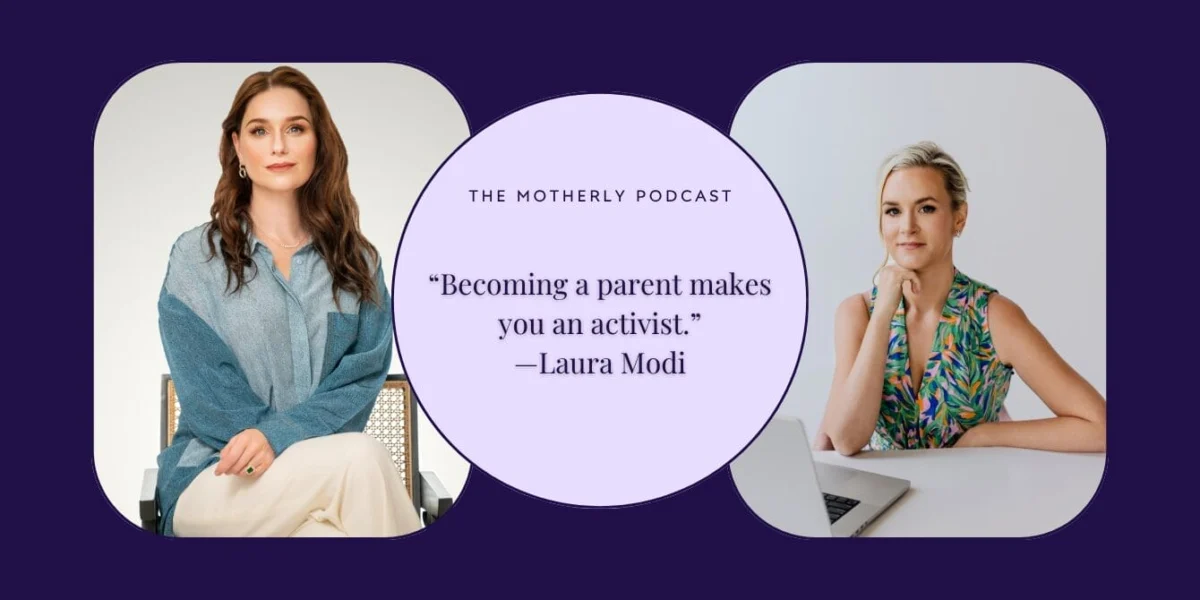
Laura Modi, a former tech executive turned visionary entrepreneur, discovered her life’s profound calling not amidst corporate strategies but in the stark, fluorescent lighting of a pharmacy aisle. It was there, waiting for a clerk to unlock a case of infant formula, that a searing sense of maternal failure ignited a mission to fundamentally change how American babies are fed and how mothers are supported. This intensely personal crucible ultimately led her to establish Bobbie in 2018, an infant formula company that has since become a prominent force, navigating the turbulent waters of the 2022 formula shortage and championing systemic reforms for parents across the United States. Modi’s journey, inextricably linked with the demands of raising four children, exemplifies a powerful confluence of personal conviction, strategic business acumen, and unwavering social activism aimed at reshaping the landscape of parental well-being and infant nutrition.

The Unforeseen Struggles of New Motherhood and a Pivotal Realization

For many first-time parents, the expectation of infant feeding is often imbued with a natural, almost idyllic simplicity. Laura Modi, a self-described "type A" professional accustomed to meticulous planning and achieving goals, initially held similar assumptions. She anticipated a straightforward journey—a natural flow of "liquid gold," pain-free breastfeeding, and a harmonious start to motherhood. However, her reality diverged sharply from this ideal. She encountered severe difficulties, including mastitis, bleeding nipples, blisters, and persistent fever, leading to a profound sense of physical and emotional depletion. This challenging period culminated in a moment of acute vulnerability: standing in a pharmacy, compelled to choose infant formula, and overwhelmed by a crushing feeling that she was "failing at the most fundamental act of motherhood."

This deeply personal experience of shame was not unique to Modi but resonated with a pervasive societal narrative in the U.S. that often subtly, or overtly, stigmatizes formula feeding. Despite data indicating that a significant majority of infants—approximately 75%—receive some amount of formula by six months of age, cultural messaging frequently champions breastfeeding as the sole "best" option without adequately addressing the complex realities many mothers face or providing robust support systems for all feeding choices. This often leaves those who struggle with breastfeeding feeling isolated, guilty, and unsupported. Modi’s Irish upbringing, where paid federal parental leave was standard and a wider array of high-quality European formula options were readily available, starkly highlighted the deficiencies in American parental support and product diversity. This cross-cultural comparison underscored a critical need for both superior product standards and a more empathetic cultural framework for infant feeding in the U.S.

The Genesis of Bobbie: A European Standard for American Families

Fueled by her personal disappointment and a meticulous, research-driven approach, Modi embarked on what she describes as a "mini PhD" into the intricacies of infant nutrition. Her exhaustive investigation uncovered a substantial disparity between the regulatory standards governing infant formula in the United States and Europe. European regulations, widely regarded as more stringent and progressive, typically prohibit ingredients such as corn syrup solids, mandating lactose as the primary carbohydrate to closely mimic breast milk. Furthermore, European formulas often require higher levels of crucial fatty acids like DHA and ARA, vital for brain and eye development. Modi observed a growing trend of American parents, desperate for these perceived superior products, resorting to the illegal importation of European formulas—a practice that underscored the urgent unmet need in the domestic market.

This critical insight formed the bedrock of Bobbie’s mission: to bring European-quality standards to American parents. The company’s product philosophy was meticulously crafted to prioritize organic, clean-label ingredients, with lactose as the sole carbohydrate source, eschewing corn syrup. Bobbie aimed to provide a transparent, high-quality formula that parents could confidently choose, free from the anxieties and ingredient concerns that had initially plagued Modi. The audacious decision to launch Bobbie in 2018, remarkably while Modi was pregnant with her second child, was a testament to her unyielding commitment to transforming her personal struggle into a societal solution. This move signaled her conviction that the existing market not only needed a better product but also a brand that would advocate for a more inclusive and supportive feeding culture.

Navigating the 2022 Infant Formula Shortage: A Crisis of Conscience

Bobbie, still a relatively young company, faced its ultimate test during the unprecedented U.S. infant formula shortage of 2022. The crisis, predominantly triggered by the shutdown and subsequent recall from Abbott Nutrition’s Sturgis, Michigan plant due to bacterial contamination, exposed severe vulnerabilities in the highly consolidated American infant formula supply chain. Store shelves emptied nationwide, prompting widespread panic among parents and escalating into a national public health emergency. For Modi and the Bobbie team, this period was not merely a business challenge but a profound "call of duty."

In an extraordinary act of ethical leadership, Modi made a difficult yet principled decision. Recognizing the paramount importance of ensuring a consistent supply for her existing customer base, she directed her team to halt the acquisition of new customers for seven months. This decision, prioritizing the reliability of supply for loyal subscribers over the immense pressure for rapid market expansion during a crisis, underscored Bobbie’s deep commitment to its founding principles and Modi’s maternal instincts. Concurrently, the shortage spurred Bobbie to make significant, long-term investments in domestic manufacturing capabilities. This strategic move, though capital-intensive and complex, was designed to fortify the company’s supply chain, reduce its vulnerability to external disruptions, and offer parents greater peace of mind regarding product availability. The 2022 crisis not only redefined Bobbie’s operational strategy but also catalyzed broader national conversations about the critical need for diversified domestic production, enhanced FDA oversight, and resilient supply chains for essential infant nutrition.

Motherhood as Activism: Reshaping the Feeding Narrative

Laura Modi’s personal journey imbued her with a profound belief that "becoming a parent makes you an activist." This philosophy extends far beyond product development, driving Bobbie’s mission to fundamentally reshape the cultural dialogue surrounding infant feeding. For decades, the conversation has often been fraught with judgment, creating "feeding wars" that pit breastfeeding mothers against formula-feeding mothers. Bobbie actively seeks to dismantle this damaging stigma, advocating for a narrative rooted in "pride and excitement" for all infant feeding choices.

Modi envisions a future where the act of nourishing a baby, irrespective of method, is universally celebrated as a magical and empowering experience, free from guilt or societal scrutiny. This vision is actively cultivated within Bobbie’s community, where parents are encouraged to openly share their feeding journeys. The shift in public perception is tangible; parents proudly display Bobbie merchandise and engage in open online discussions, signaling a significant move from a "negative and stigmatized" topic to one embraced with confidence and pride. This cultural transformation demonstrates Bobbie’s profound impact beyond commerce, fostering an environment where diverse parenting choices are normalized and respected.

Beyond the immediate realm of infant feeding, Modi is a passionate advocate for broader systemic reforms that support mothers and families. She champions initiatives such as paid family leave, improved maternal nutrition, and comprehensive policy changes designed to alleviate the pressures on parents in the U.S. She views existing societal shortcomings—be they broken policies or divisive conversations—as "beautiful opportunities" for advocacy. This holistic approach recognizes that the challenges faced by modern parents are interconnected, demanding comprehensive solutions that extend beyond individual product choices to broader structural and cultural transformations.

The Juggling Act: Leadership, Motherhood, and "Different Seasons"

Modi’s demanding role as a CEO of a high-growth company while simultaneously raising four children encapsulates the inherent complexities of modern maternal ambition. She openly acknowledges the formidable challenges, describing her pursuit of "having it all" as requiring "deep investments" and a clear understanding of "different seasons in life." She accepts that some periods will inevitably involve "drowning" and unsustainable demands, and "that’s okay."

Her advisors offered a stark but realistic perspective: "if you want to have that level of impact, throw balance out the window. It’s not going to exist." Modi embraced this truth, reframing intense work periods as temporary "seasons of life." This acceptance allows her to navigate demanding phases without succumbing to pervasive guilt, trusting that subsequent "seasons" will bring different priorities and opportunities for deeper engagement with her family.

Now at 40, Modi reflects on her life in distinct decades: her 20s were dedicated to self-discovery and career building, her 30s to establishing her family and founding Bobbie, and her 40s are envisioned as a decade of "nurture." This includes nurturing her personal growth, her relationships with her children, and the sustained development of her company. She speaks of a newfound self-assurance, an expanded "aperture for growth," and a clearer, more confident grasp of her strengths and limitations.

Prioritizing Joy and Cultivating Core Memories

Amidst her incredibly demanding schedule, Modi has cultivated a pragmatic and deeply personal approach to parenting: she intentionally prioritizes activities that genuinely bring her joy and contribute to "core memories" for her children. She candidly admits to not deriving much pleasure from conventional "school parenting things" or the daily "bedtime routines." Instead, her joy is found "standing on the sidelines of the soccer field on the weekends" or orchestrating "surprise-and-delight moments," such as spontaneous late-night trips to the park in pajamas.

This deliberate curation of her parenting experience stems from the belief that her children thrive when they see her happy and engaged in her authentic element. It represents a conscious rejection of the pressure to fulfill every idealized maternal stereotype. Her refreshing honesty, exemplified by her self-deprecating humor about her cooking skills ("She’s terrible at it"), allows her to allocate her finite time and energy to interactions that are genuinely meaningful and sustainable for both her and her family. This philosophy promotes a healthier, more realistic model of engaged parenting in a high-pressure world.

Strategic Investment: Addressing Underfunded Maternal Needs

Modi’s entrepreneurial journey and personal experience have acutely sharpened her focus on systemic societal gaps, particularly what she identifies as severely "underfunded" areas crucial for the holistic well-being of mothers and the foundational development of the next generation. She points out that childcare, for instance, is "massively broken," requiring not quick technological fixes but patient, long-term investments that can fundamentally transform cultural norms, economic structures, and governmental policies. Such deep-seated change demands a sustained commitment far beyond typical startup timelines.

Maternal nutrition represents another significant oversight. Modi highlights that during pregnancy and postpartum, the overwhelming focus remains on the baby’s nutritional needs, often at the profound expense of the mother’s own depleted physical and mental state. This imbalance underscores a broader societal neglect of maternal health beyond the immediate birthing period. Furthermore, the realm of education for new parents presents a vast, untapped opportunity; as mothers transition into this "second season of life," they are eager for comprehensive knowledge and robust support that the current system frequently fails to deliver. These critical insights underscore Modi’s commitment to addressing not just the symptoms but the systemic root causes of the myriad challenges faced by contemporary families.

The Evolving Parent: A Demand for Proof and Individuality

Through her direct engagement with Bobbie’s expansive parent community, Modi has gained invaluable insights into the evolving characteristics of the current generation of parents. She observes that today’s parents demand more than mere transparency from brands; they seek tangible "proof" and "receipts" that companies are not just articulating values but are actively translating them into demonstrable action. This discerning approach enables them to quickly identify and dismiss corporate "BS."

Furthermore, Modi notes a profound embrace of personalized motherhood, moving away from rigid, "binary boxes" such as "formula feeding mom" or "breastfeeding mom." This generation is confidently "owning our individuality," defining their unique parenting philosophies, and demonstrating a strong conviction in their chosen paths. They exhibit a greater openness to diverse viewpoints, fostering a sense of community where varied parenting styles are not only tolerated but respected and celebrated. This shift reflects a growing confidence in individual maternal agency and a collective desire for a more inclusive parenting landscape.

Bobbie’s Trajectory: Sustained Innovation and Cultural Impact

Looking forward, Laura Modi envisions Bobbie continuing its unwavering pursuit of excellence in infant nutrition. She consistently reinforces to her team the profound responsibility they hold, reminding them that they are developing "the hardest, most important product in the world"—the sole nutritional foundation for a baby’s most critical first year. The company’s strategic future is anchored in continuously elevating nutritional standards, actively influencing governmental policies to better support families, and providing millions of parents with unparalleled peace of mind regarding their infant feeding choices.

Modi’s ultimate aspiration is for Bobbie to enact a fundamental cultural shift within the next decade. This ambitious vision extends far beyond merely increasing market share; it aims to foster a society that genuinely values and supports mothers, ensuring that all feeding choices are met with respect, understanding, and access to the highest quality products. Her recognized "superpower" of "anticipating needs"—a trait equally invaluable in forecasting market trends for Bobbie and staying two steps ahead as a mother of four—uniquely positions her to lead this ongoing, transformative endeavor. Through Bobbie, Laura Modi is not merely selling infant formula; she is meticulously building a legacy of advocacy, fostering a more empathetic, informed, and robustly supportive world for parents and their children.

0 Comments