
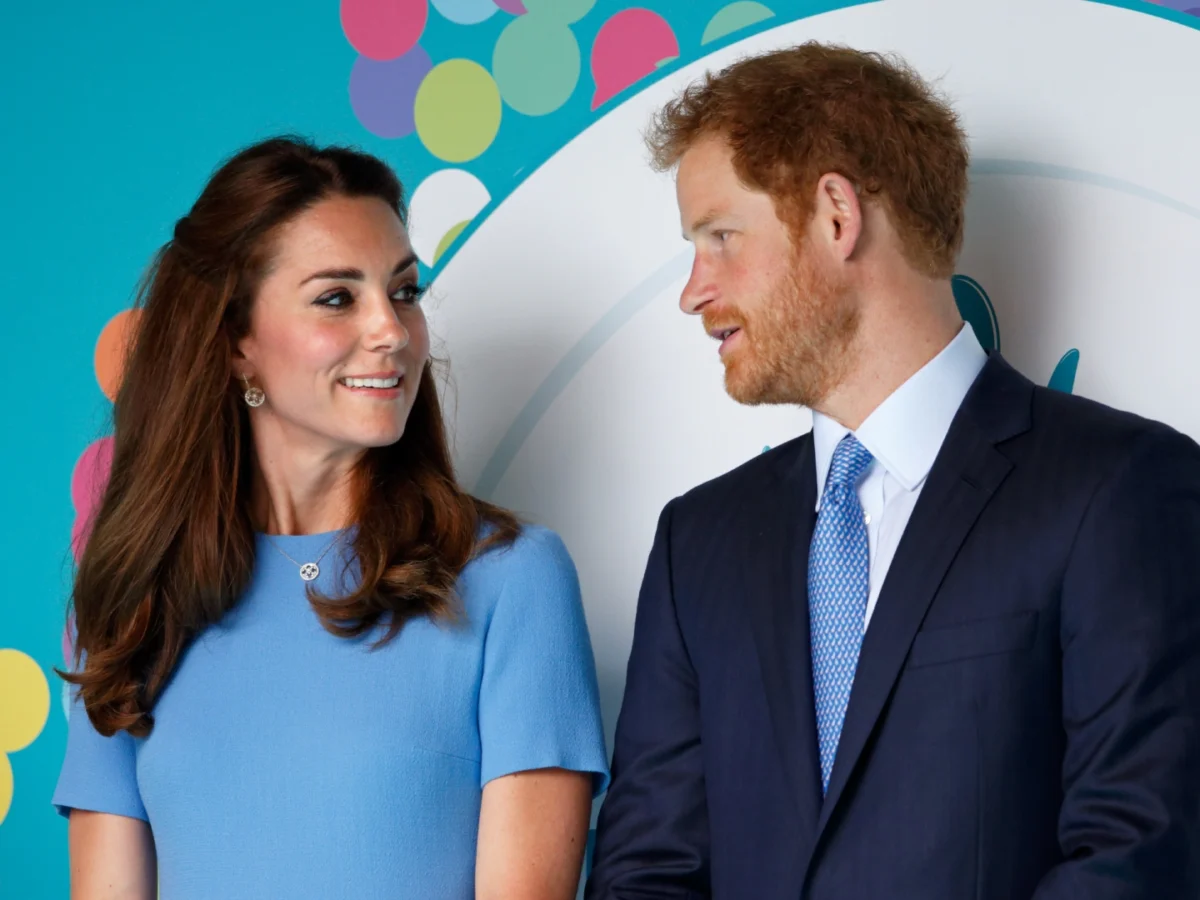
The British Monarchy is reportedly facing a period of internal strategic friction following a decision by King Charles III and Queen Camilla to personally invite Princess Beatrice and Princess Eugenie to the upcoming Royal Ascot. This move, which marks a significant reversal from earlier reports suggesting the sisters would be excluded from the high-profile event, has allegedly caused a rift between the Sovereign and the Prince and Princess of Wales. According to sources close to the royal household, Prince William and Catherine are concerned that the inclusion of the York sisters at major public engagements undermines the institutional effort to distance the monarchy from the controversies surrounding their father, Prince Andrew, the Duke of York.
Royal Ascot, an event synonymous with both elite horse racing and the height of the British social calendar, has long served as a public showcase for the Royal Family’s unity and tradition. The attendance of family members is rarely just a social matter; it is viewed by constitutional experts and the public alike as a barometer of internal standing and official endorsement. The reported "fuming" reaction from the Prince of Wales suggests a growing divide in how the senior members of the "Firm" believe the family’s image should be managed in the post-Elizabethan era.
The Strategic Divide Between the King and the Heir
At the heart of the disagreement is a fundamental difference in philosophy regarding the "slimmed-down" monarchy and the management of family scandals. King Charles III has long advocated for a smaller core of working royals to reduce the financial burden on the taxpayer and modernize the institution. However, he has also demonstrated a desire to maintain family cohesion, often seeking to include his nieces, Beatrice and Eugenie, in non-state family gatherings.
Conversely, Prince William is reported to be taking a significantly harder line. Sources indicate that the Prince of Wales views the continued public visibility of the York princesses as a liability to the crown’s reputation. "William is fuming. He thinks Charles has made him look terrible by changing his mind on this," an insider reported. From William’s perspective, the future of the monarchy depends on a clear, uncompromising stance regarding those associated with the Duke of York’s previous scandals. The Prince of Wales reportedly believes that allowing Beatrice and Eugenie to maintain a prominent public presence alongside the King sends a "wrong message" to a public that expects consistency and accountability from the institution.

The Princess of Wales, Catherine, is said to be in full alignment with her husband. While she has previously acted as a peacemaker—most notably extending invitations to the sisters for the "Together at Christmas" carol service in late 2025—her current stance appears to have hardened. The rationale provided by those close to the couple is that while private family events are one matter, major public spectacles like Royal Ascot require a more disciplined approach to brand management.
A Chronology of the York Family Distancing
The tension regarding Princesses Beatrice and Eugenie cannot be understood without the context of the Duke of York’s fall from public life. The timeline of the family’s shifting status highlights the complexity of their current position:
- November 2019: Prince Andrew steps back from public duties following a widely criticized BBC Newsnight interview regarding his association with convicted sex offender Jeffrey Epstein.
- January 2022: The late Queen Elizabeth II strips Prince Andrew of his military affiliations and Royal patronages. He also ceases using the style "His Royal Highness" (HRH) in an official capacity.
- May 2023: During the Coronation of King Charles III, Princesses Beatrice and Eugenie attend but are notably absent from the Buckingham Palace balcony, which was reserved strictly for working royals.
- December 2025: Princess Catherine extends a "personal olive branch" by inviting the York sisters to the Christmas service at Westminster Abbey, suggesting a potential thaw in relations.
- April 2026: Conflicting reports emerge regarding the sisters’ attendance at Royal Ascot, culminating in a personal invitation from the King that reportedly overrides the Prince of Wales’s preferences.
This timeline illustrates a pendulum-like approach to the York sisters’ involvement in royal life, swinging between total exclusion and tentative inclusion.
The Role of Princesses Beatrice and Eugenie in a Modern Monarchy
Princess Beatrice, 37, and Princess Eugenie, 36, occupy a unique and often difficult space within the royal hierarchy. Unlike their cousins, William and Harry, they were never intended to be full-time working royals. Both have established independent careers—Beatrice in the tech and venture capital sector, and Eugenie in the art world. Despite this, they remain blood princesses and are frequently called upon to support the family at significant events.
Data regarding the current roster of working royals suggests that the institution is stretched thin. Following the departure of the Duke and Duchess of Sussex and the retirement of Prince Andrew, the number of royals performing official duties has dwindled. With King Charles III and the Princess of Wales both managing health challenges in recent years, the "working" core of the family consists primarily of the King, Queen Camilla, the Prince of Wales, the Duke and Duchess of Edinburgh, and Princess Anne.

Some royal commentators argue that Beatrice and Eugenie represent an untapped resource. They are young, well-educated, and generally well-regarded by the public in their own right. However, the shadow of their father’s legal and reputational issues remains the primary obstacle to their further integration. The Prince of Wales’s reported insistence on a "hard stance" suggests he views any public rehabilitation of the York brand as a threat to the stability he intends to maintain when he eventually ascends the throne.
The Significance of Royal Ascot
Royal Ascot is more than just a series of horse races; it is a five-day event that requires the Royal Family to be on display in the "Royal Procession" each day. For the King to personally invite Beatrice and Eugenie suggests they may be included in the carriage procession or the Royal Enclosure, the most exclusive area of the racecourse.
For Prince William, the visibility afforded by Ascot is the crux of the issue. Unlike the Christmas service, which is viewed as a religious and family-oriented event, Ascot is a high-society media event. The Prince of Wales reportedly believes that the public’s perception of the monarchy is shaped by these moments of pageantry. If the public sees the York sisters prominently featured, it may perceive a lack of consequence for the scandals that have plagued their branch of the family.
Broader Implications for the Future of the Firm
The current disagreement highlights a burgeoning "two-court" system within the British Monarchy: the court of the King and the court of the Heir. While Charles III currently holds the ultimate authority, Prince William is increasingly asserting his influence over the long-term strategic direction of the monarchy. This power dynamic is a natural progression in any hereditary system, but the specific conflict over the York sisters reveals a potential for future policy shifts when William becomes King.
The "consistency" that the Princess of Wales is reportedly seeking is a key component of modern brand management. In an era of intense social media scrutiny and changing public expectations, the monarchy must appear as a unified and principled institution. The concern held by the Waleses is that the King’s "change of heart" creates a narrative of indecision and favoritism that could be exploited by critics of the crown.

Furthermore, the reported friction touches upon the ongoing issue of the Royal Lodge. Prince Andrew’s continued residence at the Windsor property, despite reports of the King’s desire for him to relocate to smaller quarters, remains a point of contention. The status of Beatrice and Eugenie is often seen as a proxy for the broader battle over the Duke of York’s remaining footprint within the royal estate.
Conclusion: A Delicate Balancing Act
As the Royal Family prepares for the summer season, the inclusion of Princesses Beatrice and Eugenie at Royal Ascot serves as a reminder of the complex interplay between family loyalty and institutional duty. King Charles III appears to be attempting a balancing act—maintaining the "slimmed-down" working model while refusing to entirely ostracize his family members.
However, the reported dissatisfaction from the Prince and Princess of Wales suggests that this balance is becoming increasingly difficult to maintain. As the future King, William’s focus is squarely on the survival and reputation of the monarchy in the 21st century. Whether the King’s gesture of inclusion will be seen as an act of familial kindness or a strategic error remains to be seen. What is clear is that the "York dilemma" continues to be one of the most persistent and divisive issues facing the House of Windsor, reflecting deeper questions about how the monarchy should navigate the boundaries between private family life and public constitutional duty.

0 Comments