
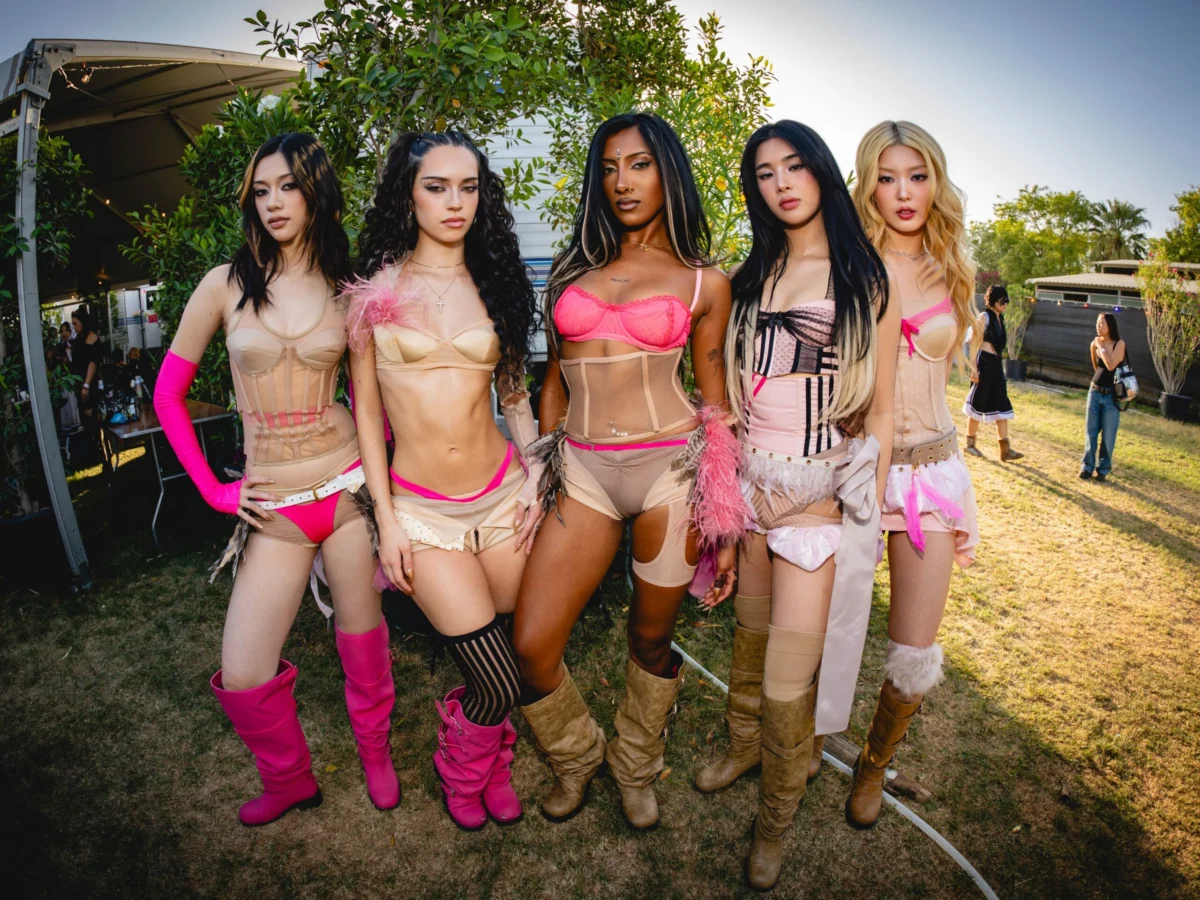
The 2026 Coachella Valley Music and Arts Festival has officially transitioned into its second weekend, marking a pivotal moment for the global music and fashion industries as they converge in Indio, California. Following a high-octane opening weekend that saw record-breaking attendance and significant social media engagement, the festival continues to serve as the primary barometer for summer style and contemporary performance art. The event, hosted at the Empire Polo Club, has transitioned from a niche alternative gathering into a multi-billion-dollar cultural phenomenon that dictates retail trends and music streaming surges for the remainder of the fiscal year. As the second wave of attendees descends upon the desert, the focus remains on the intersection of high-fashion curation and the headline performances of Sabrina Carpenter, Justin Bieber, and Karol G, all of whom have set new standards for festival production and sartorial influence.

Performance Highlights and Artistic Direction
The first weekend of Coachella 2026 was defined by three distinct headlining performances that showcased the current diversity of the global music landscape. Sabrina Carpenter, continuing her trajectory toward pop hegemony, delivered a set characterized by theatrical production and high-concept costume changes. Industry analysts noted that Carpenter’s performance utilized advanced augmented reality (AR) integrations, allowing fans at home and in the crowd to experience a layered visual narrative. Her wardrobe, heavily curated in collaboration with major fashion houses, leaned into a "vintage-futurist" aesthetic, blending 1960s silhouettes with modern technical fabrics.

Justin Bieber’s return to the Coachella stage marked his first major festival appearance in several years, drawing a massive demographic of both long-term fans and new listeners. His set focused on a stripped-back, R&B-heavy arrangement, emphasizing vocal performance over heavy choreography. Bieber’s fashion choices—predominantly oversized, utilitarian streetwear—reflected a broader industry shift toward "Gorpcore" and functional luxury, which has become a staple of the Indio desert environment.

Karol G represented the continued dominance of Latin music on the global stage. Her performance, titled "La Bichota Season: The Desert Chapter," featured a vibrant color palette and a massive ensemble of dancers. The visual spectacle was matched by her wardrobe, which featured custom-made pieces that celebrated her Colombian heritage while incorporating "desert-punk" elements. Data from streaming platforms indicated a 40% spike in Karol G’s catalog plays immediately following her Friday night set, illustrating the "Coachella bump" that artists experience during the festival cycle.

The Sartorial Shift: Tracking 2026 Fashion Trends
While the music provides the auditory backdrop, the fashion at Coachella has evolved into a standalone industry. Vogue and other major fashion publications have noted a significant departure from the "Boho-Chic" tropes of the 2010s. In 2026, the trend has shifted toward "Sustainable Maximalism" and "Quiet Luxury in the Dust."

According to fashion retail data, the weeks leading up to Coachella 2026 saw a 150% increase in searches for "upcycled festival wear" and "biodegradable sequins." This shift is reflected in the celebrity attendance, where figures who previously favored high-contrast, fast-fashion looks are now opting for archival pieces and custom sustainable designs. The influence of past performers, such as Lady Gaga’s avant-garde 2025 appearance and the K-pop influence of Jennie, remains visible in the crowd, where technical gear is often paired with high-fashion accessories.

The role of influencers and celebrities as spectators also remains a critical component of the festival’s ecosystem. In 2026, the "sideline style" has become as scrutinized as the onstage costumes. Figures such as Charli XCX, who was a focal point of the 2025 season, continue to influence the "Indie Sleaze" revival, which has been updated for 2026 with cleaner lines and more expensive fabrications.

Chronology of the 2026 Festival Season
The road to Coachella 2026 began in early January with the official lineup announcement by Goldenvoice, the festival’s parent company. The selection of Carpenter, Bieber, and Karol G was seen as a strategic move to capture a broad cross-section of the Gen Z and Millennial markets.

- January 2026: Lineup announcement and immediate sell-out of Tier 1 and Tier 2 tickets.
- March 2026: Pre-festival activations begin in Los Angeles, with luxury brands hosting pop-ups to preview "Coachella Collections."
- April 10–12, 2026 (Weekend One): The festival opens to a daily crowd of approximately 125,000 people. Temperatures reached a peak of 98 degrees Fahrenheit, influencing both the fashion and the logistical management of the event.
- April 13–16, 2026 (Mid-Week): Local businesses in the Coachella Valley report a record $200 million in localized economic impact. Maintenance crews and set designers work around the clock to refresh the Empire Polo Club for the second weekend.
- April 17, 2026 (Weekend Two Commencement): The second weekend begins, traditionally known for being more "music-focused" than the influencer-heavy first weekend, though fashion remains a central pillar of the experience.
Economic Data and Logistical Infrastructure
The scale of Coachella 2026 is reflected in its economic footprint. With general admission tickets starting at $549 and VIP packages exceeding $1,200, the festival is a significant revenue driver for Goldenvoice and AEG. In 2026, the festival expanded its "Safari Camping" and luxury yurt options, catering to a high-net-worth demographic that demands air-conditioned environments and concierge services in the middle of the desert.

Data from the Greater Palm Springs Convention & Visitors Bureau suggests that hotel occupancy rates reached 99% across the Coachella Valley for both weekends. The short-term rental market also saw a 12% increase in average daily rates compared to 2025. Furthermore, the festival’s partnership with YouTube for the "Coachella Curated" live stream reached an estimated global audience of 50 million unique viewers during Weekend One, providing a platform for brands to reach international consumers who are not physically present in Indio.

Sustainability has also become a logistical priority. In 2026, the festival implemented a "Zero-Waste" initiative in the VIP and Artist areas, with plans to expand the program to the general grounds by 2028. This includes the elimination of single-use plastics and the implementation of solar-powered charging stations throughout the venue.

Official Responses and Industry Reactions
Goldenvoice officials have expressed satisfaction with the festival’s execution thus far. In a brief statement issued between weekends, a spokesperson noted, "The 2026 edition of Coachella represents a new era of artistic integration. We have seen a seamless blend of physical performance and digital innovation that resonates with a global audience."

Fashion houses have also been quick to capitalize on the visibility. A representative from a major European luxury brand stated, "Coachella is no longer just a music festival; it is the most important runway in the world for the spring/summer season. The visibility provided by artists like Sabrina Carpenter and the curated content from Vogue creates a direct pipeline to the consumer."

Music critics have largely praised the 2026 lineup for its cohesion. Unlike previous years, which were sometimes criticized for a lack of genre focus, the 2026 roster has been lauded for its balance of pop, R&B, and international sounds, reflecting the actual listening habits of the modern streaming era.

Broader Impact and Future Implications
The success of Coachella 2026 has several long-term implications for the entertainment and fashion sectors. First, it solidifies the "festival-as-runway" model, where the success of a collection can be determined by its presence in the Indio desert. This has led to a shift in how designers plan their seasonal releases, with many now prioritizing "festival drops" in early April.

Second, the technological advancements seen in the 2026 sets—particularly the use of AR and high-fidelity live streaming—suggest that the future of live music will be increasingly hybrid. As ticket prices continue to rise, the value of the digital experience becomes a critical component of a festival’s brand equity.

Finally, the cultural impact of Coachella 2026 reinforces the festival’s role as a global trendsetter. By successfully navigating the transition from 2025’s legacy-act focus (exemplified by Lady Gaga) to 2026’s contemporary pop dominance, Coachella has proven its ability to evolve alongside its audience. As Weekend Two continues, the industry will be watching closely to see which trends solidify and which performances will be remembered as the defining moments of the 2026 summer season. The desert remains the ultimate stage for this intersection of sound, style, and social influence, ensuring that Coachella’s relevance remains unchallenged in the global cultural landscape.

0 Comments